









Lenovo’s compact drone formula for safer first flights
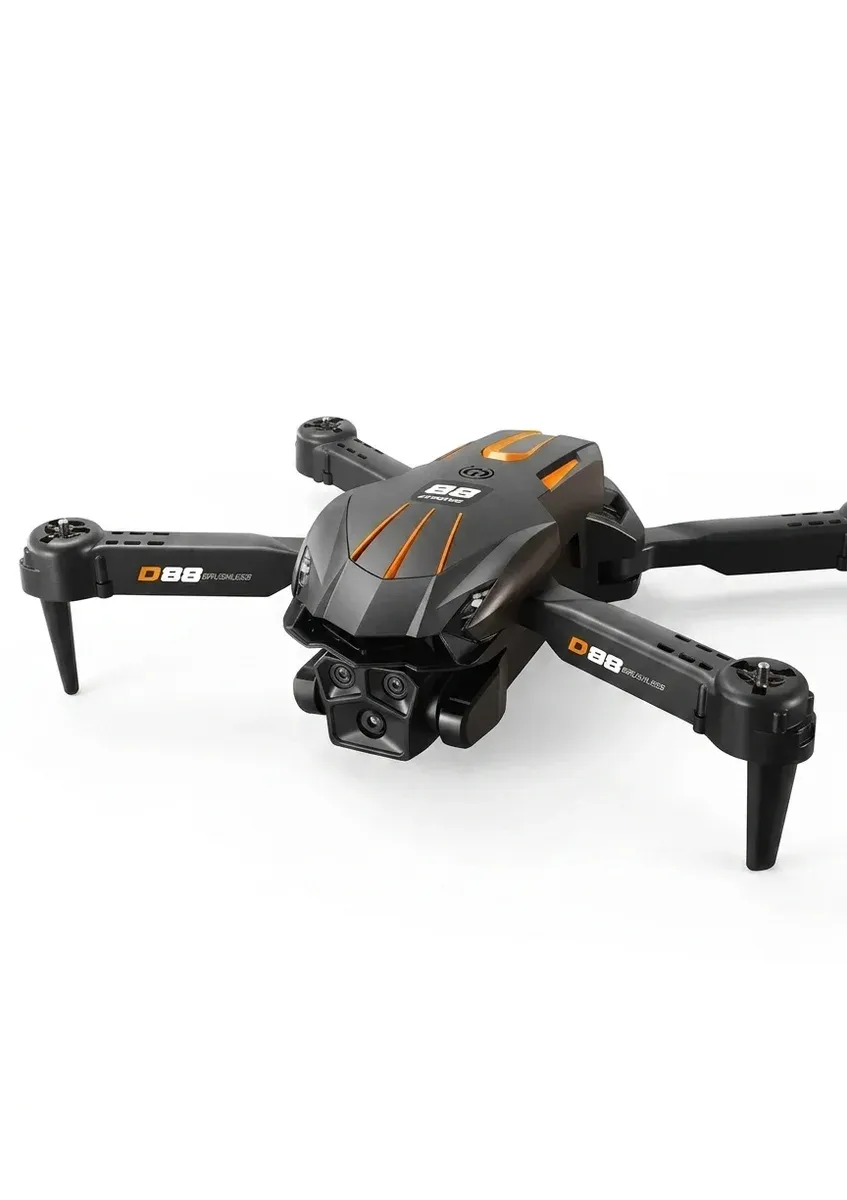
Lenovo has built a solid reputation in the AliExpress drone niche by pairing recognizable branding with practical, easy-to-use hardware. That matters here because the D16 is clearly aimed at users who want a stable, feature-rich flyer without stepping into a complex pro platform.
This model focuses on controlled flight, quick setup, and a camera system that gives beginners a usable path into aerial video. The real question is how much capability Lenovo can fit into a 68g frame, and the answer starts with its stabilization tools.
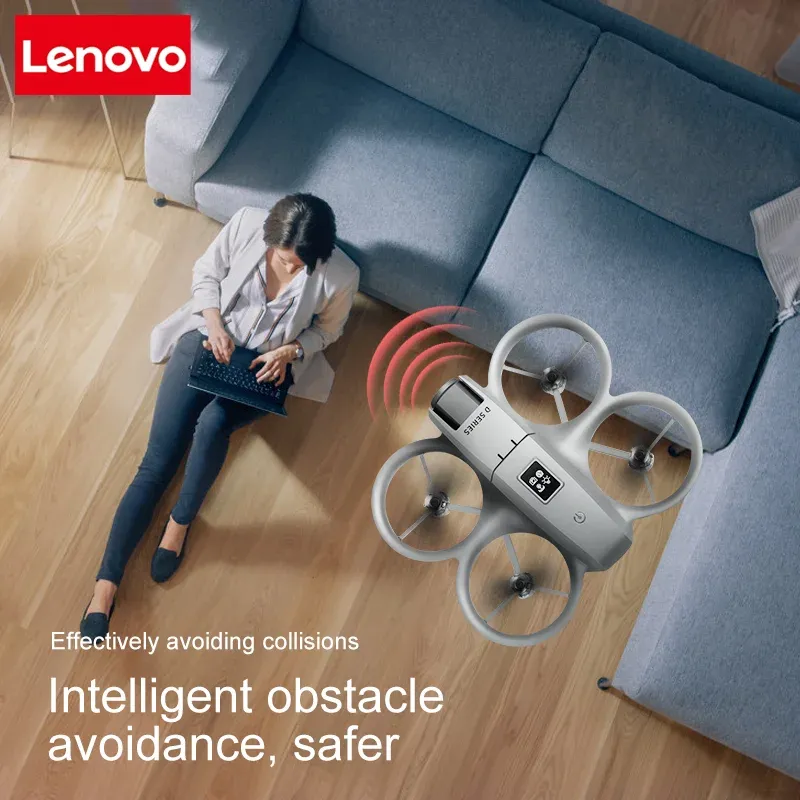
Optical flow and obstacle sensing: why the drone feels easier to manage
The D16 uses optical flow positioning and built-in obstacle avoidance to reduce drift and help it hold its place more confidently indoors or in low-altitude outdoor flying. In practice, that means fewer sudden corrections on the sticks and a calmer hover when you are learning the controls.
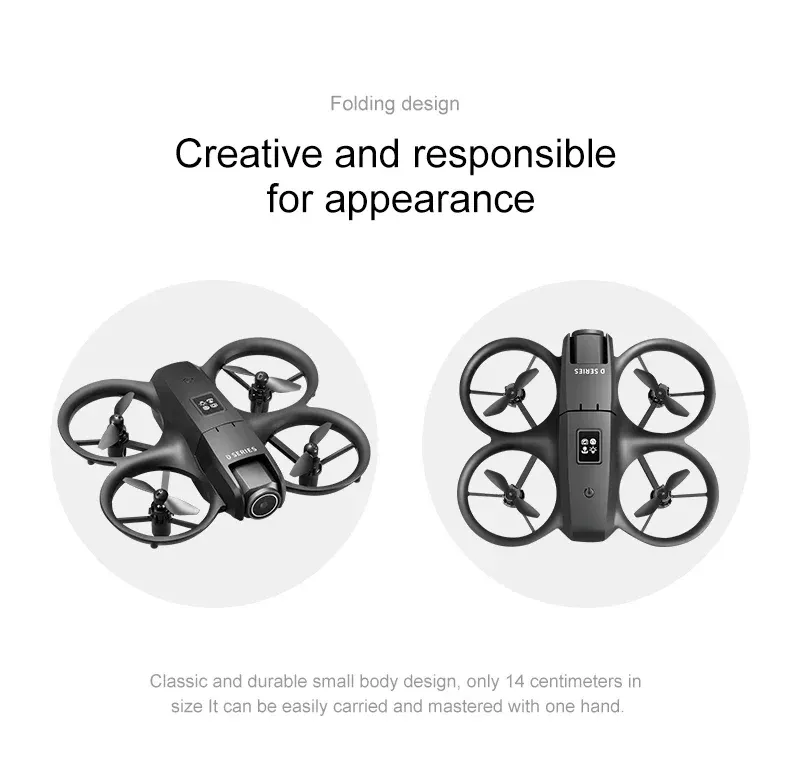
The enclosed helicopter-style body also helps protect the propellers, which is useful in tight spaces where bumps are common. For apartment flights, backyard practice, or quick test runs, that safety-first layout is more useful than raw speed, and it changes how often you can fly with confidence.
8K labeling, dual cameras, and what the footage can realistically deliver
The headline 8K UHD claim is the kind of spec that attracts attention, but buyers should read it as a resolution tier rather than a promise of flagship drone imaging. The practical benefit is a sharper-looking file for casual aerial clips, social content, and overhead shots when lighting is decent.
The electrically adjustable dual-camera setup is the stronger feature because it gives more shooting angles, including upward-looking framing that is rare at this size. Users who mentioned the product as sturdy and easy to set up suggest the experience is more about convenience and usable footage than cinematic precision, so what does that mean for travel use?
Brushless motor performance in a 68g body
The brushless motor is a meaningful upgrade at this price because it usually brings smoother response, better efficiency, and less wear than basic brushed units. Combined with the 10m/s wind resistance claim, the D16 looks better suited to light outdoor sessions than many toy-grade mini drones.
Flight time is listed at 10 to 20 minutes, while the included battery package and 30-minute charging spec point to short but manageable sessions. That makes the D16 more of a repeat-launch drone than an all-day aerial platform, which is still useful if you want quick flights between edits or practice rounds.
App control, return function, and beginner-friendly handling
The D16 supports app control, FPV over Wi-Fi, headless mode, and one-key return, which lowers the learning curve for new pilots. MODE1 and MODE2 support also helps users match the controller layout to their preferred flying style instead of forcing one setup.
The 200m remote distance is enough for park practice or open-space line-of-sight flying, though real-world range will depend on interference and local conditions. For a drone in this class, the more important detail is that the controls and safety features work together to keep the aircraft predictable, and that is where the value shows up most clearly.
Who will get the most from the D16
This model fits users who want a lightweight, ready-to-go drone for learning, casual filming, or indoor-outdoor practice without a steep setup process. It also suits younger or less experienced pilots because the compact frame, auto-return behavior, and altitude-holding tools reduce the chance of losing control too quickly.
If you are looking for a drone that prioritizes polished flight behavior over advanced manual tuning, the D16 is positioned well. The package includes the essentials, the assembly is ready-to-fly, and the overall design suggests a straightforward first-drone experience rather than a hobby platform built for upgrades.