







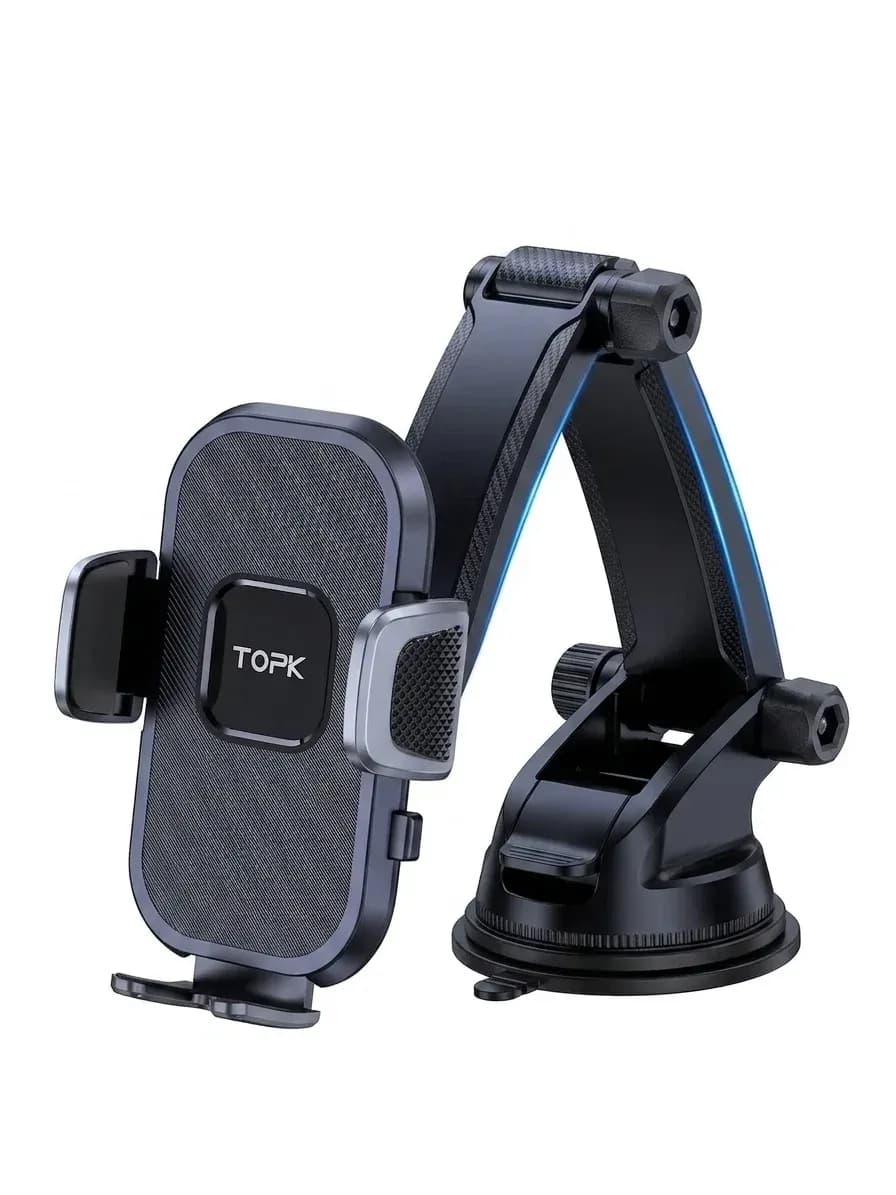
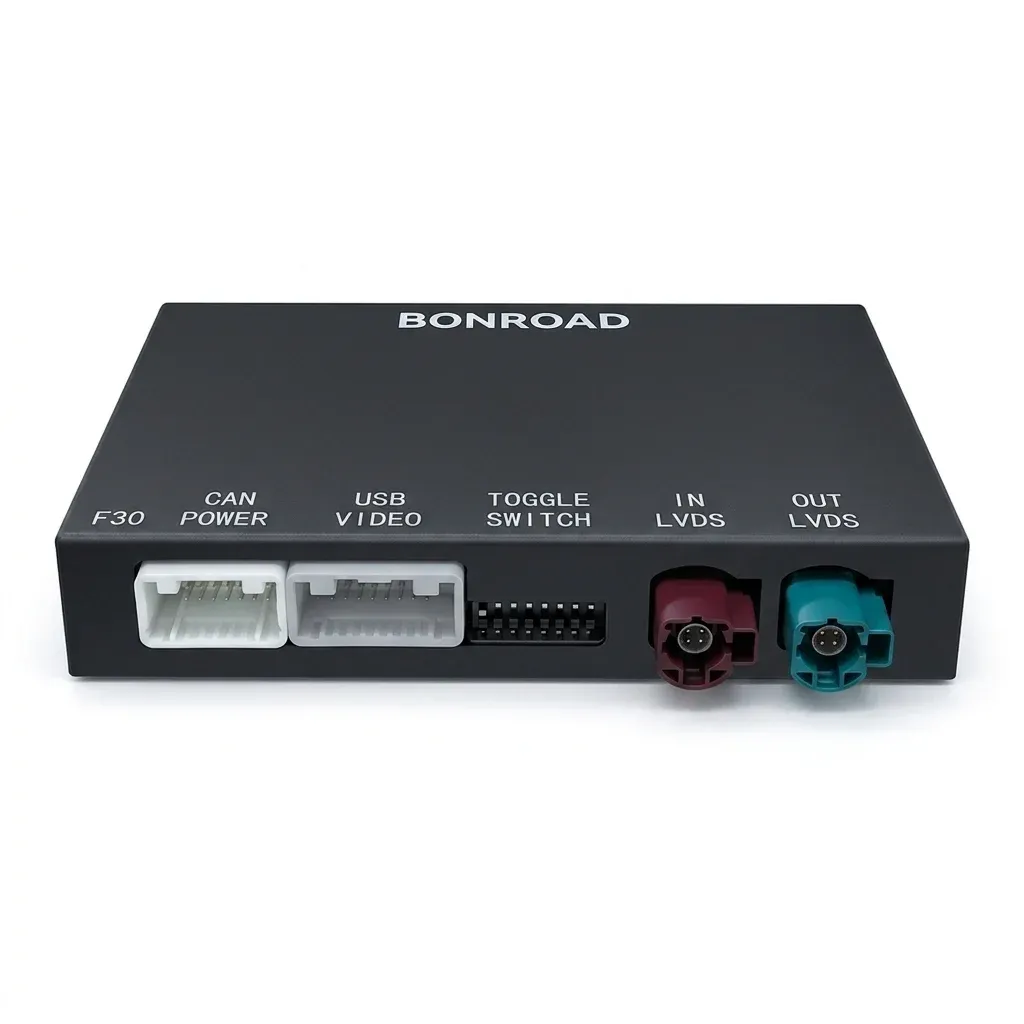
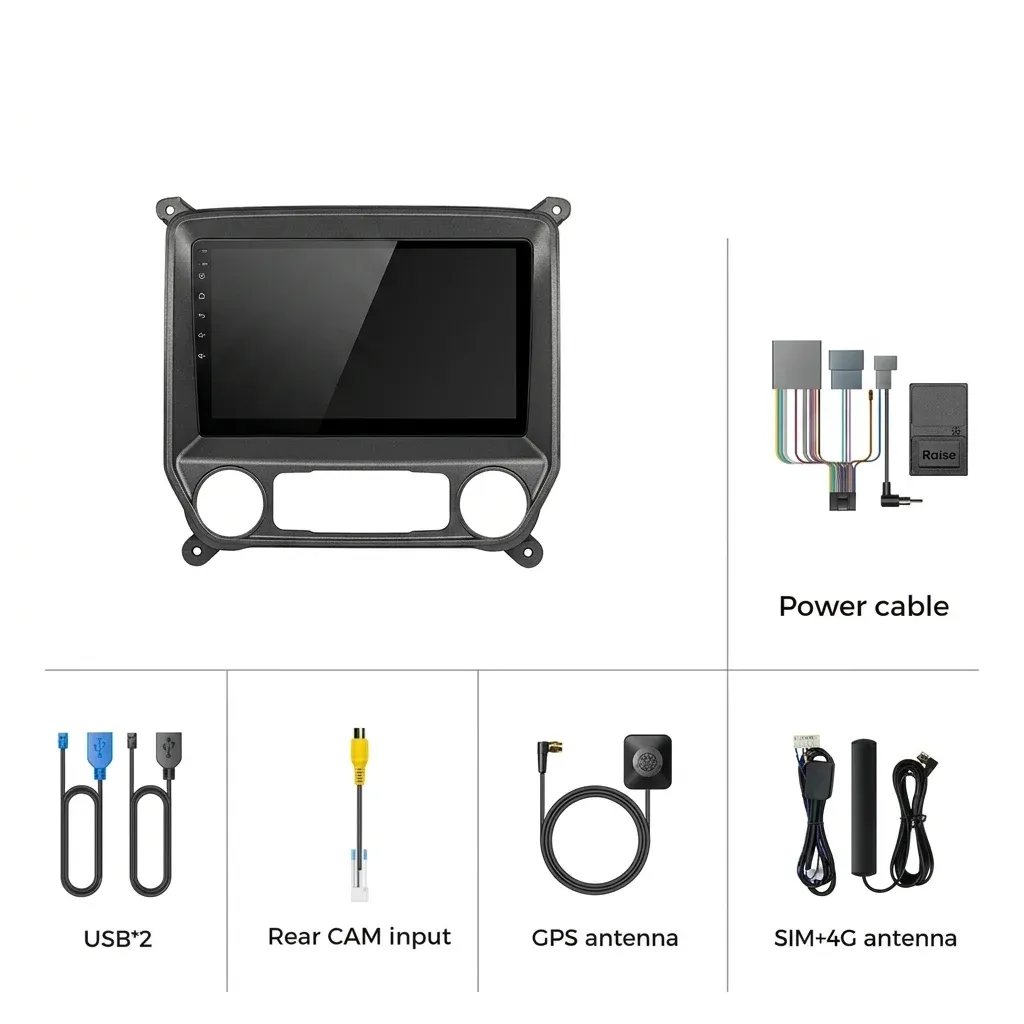

Koorinwoo’s practical edge in the AliExpress car accessory niche
Koorinwoo has built a reputation for offering feature-rich parking electronics that feel more thought-through than typical no-name kits. In the AliExpress United States space, that matters because buyers want usable specs, clear compatibility, and hardware that fits real installs without turning the dashboard into a project.
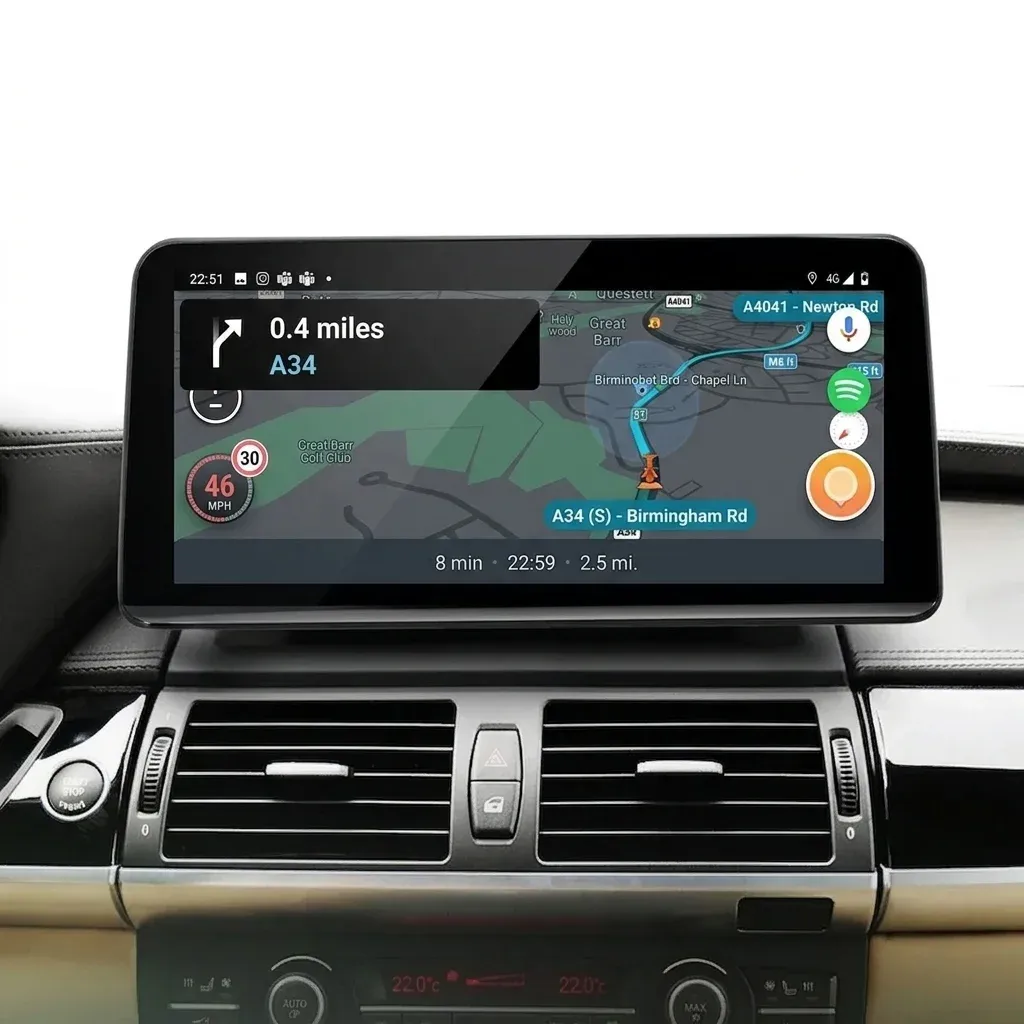
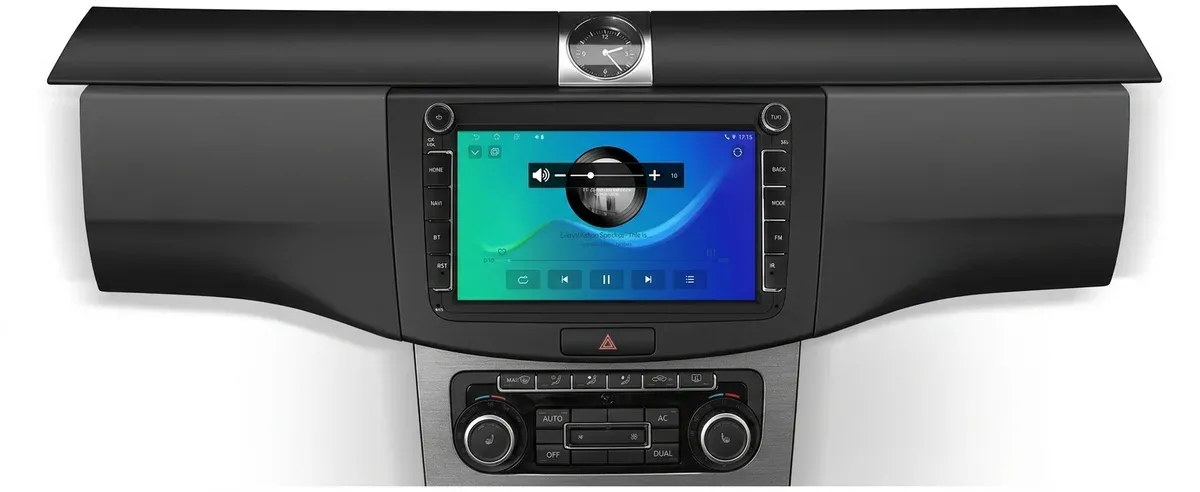
This kit follows that pattern with a visible distance system, multiple sensor-count options, and Android radio integration that aims to make parking feedback easier to read at a glance. The concept is straightforward: reduce guesswork when reversing or edging into a tight space, and the next question is how well the display and sensors work together.
What the 0.3-2.1 meter detection range means on the road
The stated talk range of 0.3 to 2.1 meters is useful because it covers the moment when most parking mistakes happen, from the first approach to the final crawl. In practice, that means the system is designed to warn you early enough to slow down, then stay relevant as the bumper gets close to a wall, curb, or another vehicle.
The 16.5 mm sensor size is also a plus for cleaner bumper installation, since smaller probes usually look less intrusive once mounted. With IP68 waterproofing, the sensors are better suited to rain, wash water, and road grime, which is exactly where cheaper kits tend to age badly.
How the camera and radar layers work together
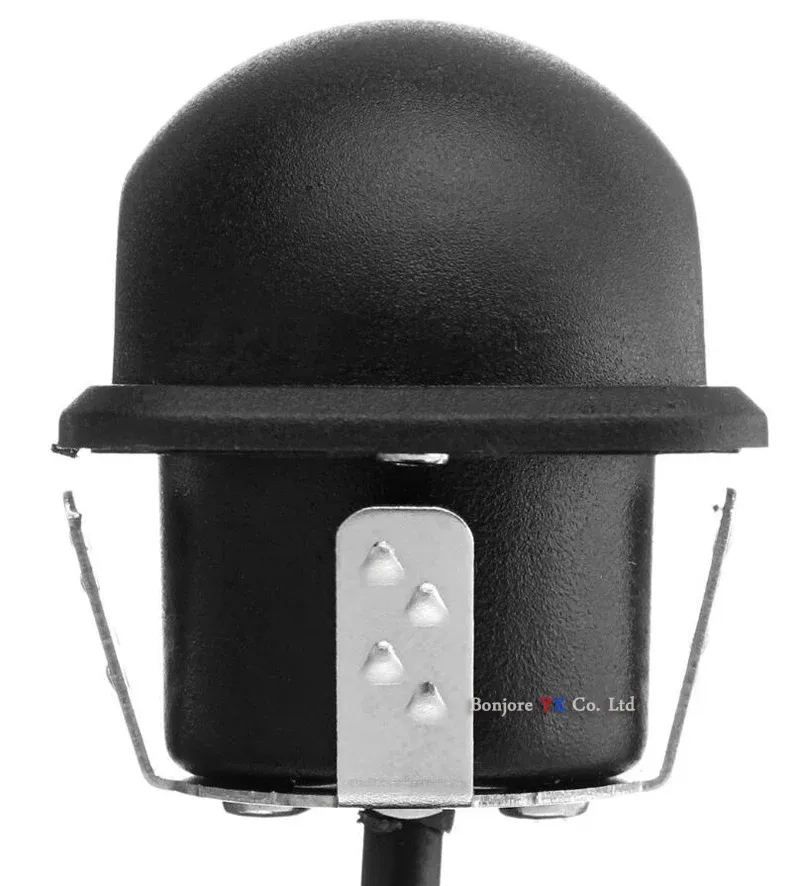
This kit is not just a buzzer system, because it can pair distance feedback with a rear camera feed on an Android radio. The rear camera outputs a mirror image with dynamic trajectory guidance, so the driver gets both proximity data and a visual line for steering corrections.
That combination is especially helpful in low-contrast environments like underground garages or dark driveways, where the Sony CCD image sensor and night vision support should improve visibility. One real customer noted that the distance label overlay can be distracting when combined with a rear camera, so users who prefer a very clean video feed should keep that in mind before installation.
Four, six, or eight sensors: choosing the right layout
The sensor count changes the way this kit feels in daily use. Four sensors are enough for basic rear coverage, six add more margin across the bumper, and eight are the strongest choice if you want broader detection on a larger vehicle or a more demanding parking routine.
For compact cars, the smaller setup can be sufficient, but SUVs and longer sedans benefit more from the wider sensor spread. The visible format is the real advantage here, because it turns abstract beeps into something you can read on a monitor instead of guessing from sound alone, which is the point of the system.
Installation details that matter before you start drilling
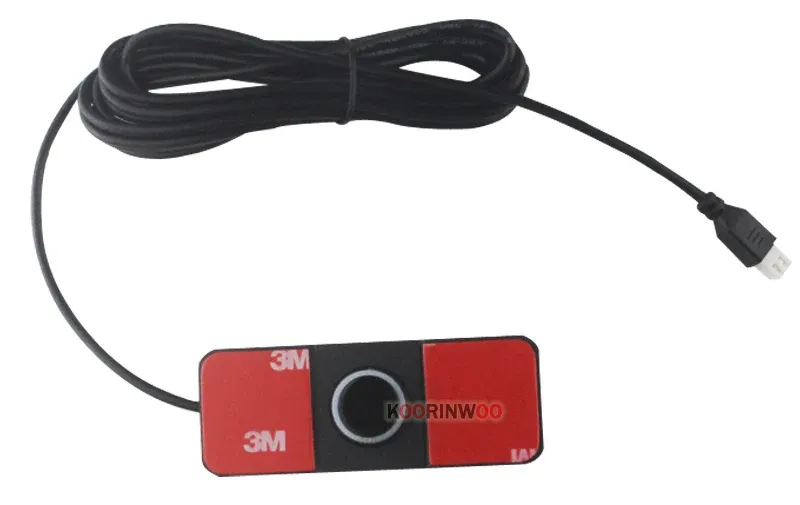
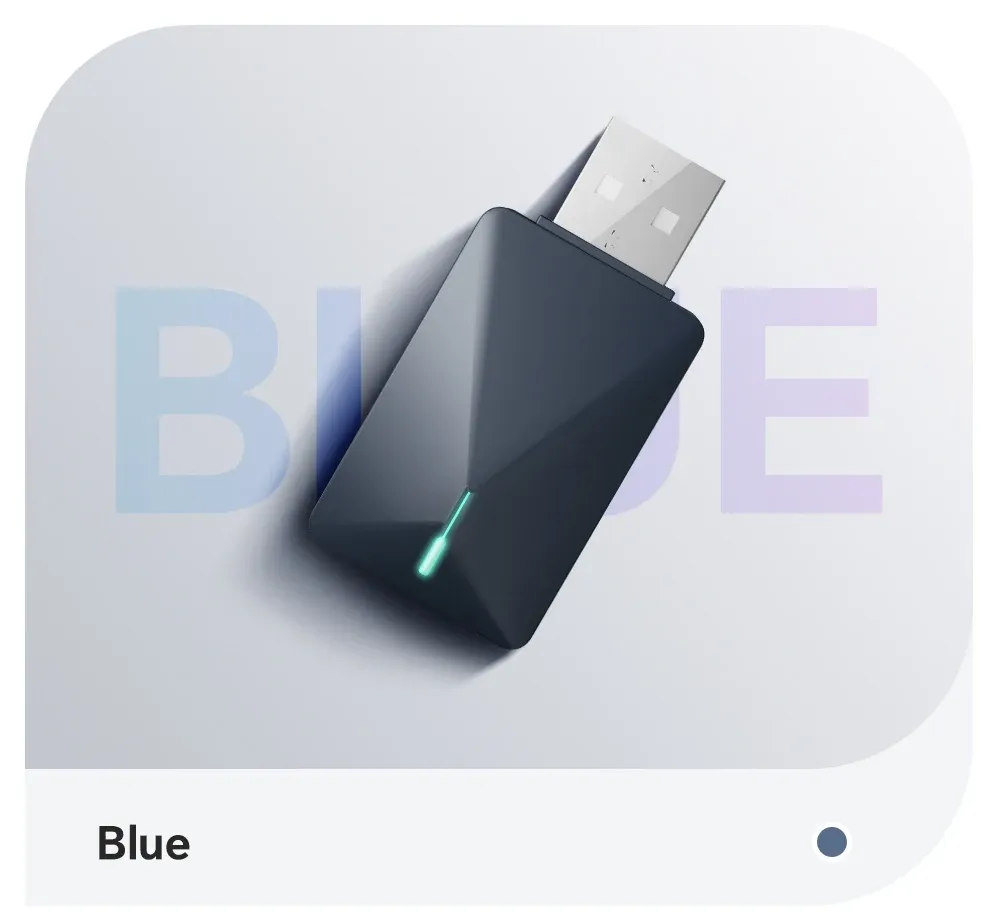
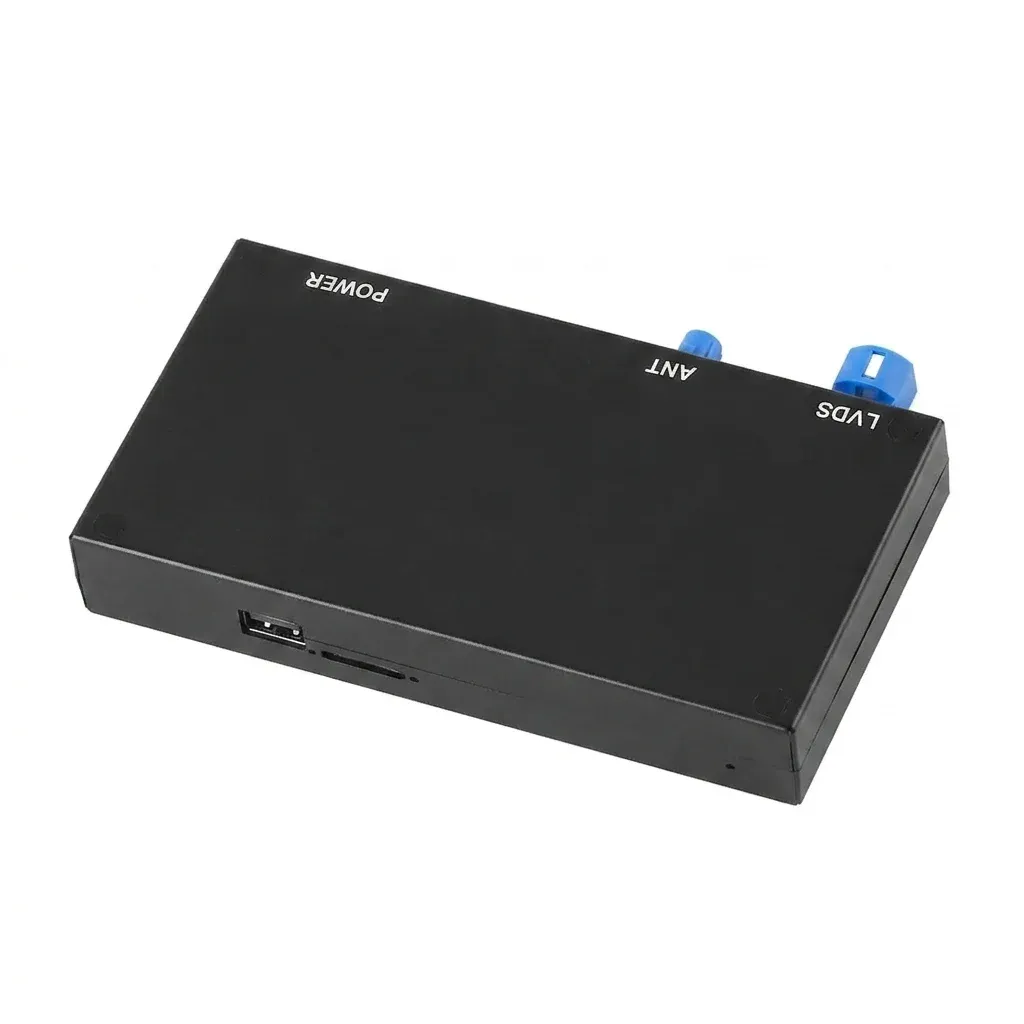
The kit uses 12V automotive power and is built for Android radio setups, so it fits best in vehicles that already have a compatible head unit or a planned upgrade. The sensor color options in black, white, grey, silver, red, blue, and gold make it easier to match trim, which is a small detail that helps the install look factory-adjacent.
There is one practical caution: a customer review mentioned the hole-making tool felt low quality and the plastic pieces could stick during removal. That suggests the electronics may be the stronger part of the package than the included installation accessories, so careful drilling and a better trim tool can save time and protect the bumper finish.
Who this kit suits best
This is a strong fit for drivers who want a visible parking aid rather than a simple beep-only sensor set. It makes the most sense for people who use an Android radio, park in tight urban spaces, or want a cleaner aftermarket solution with camera support instead of relying on mirrors alone.
At $29.59, the value proposition is tied to how much of the parking problem you want solved in one package. If you need clearer distance awareness, camera integration, and a waterproof sensor set in one compact system, the feature mix is hard to ignore, so the last decision is whether your vehicle and head unit are ready for it.