








Distance feedback that turns tight parking into a clearer routine
This system solves a simple problem: judging the last half-meter around a car is harder than it looks, especially when bumpers are high or visibility is blocked. By combining eight sensors with a visual distance readout and buzzer alerts, it gives the driver a more precise sense of space than a basic beeper-only kit.
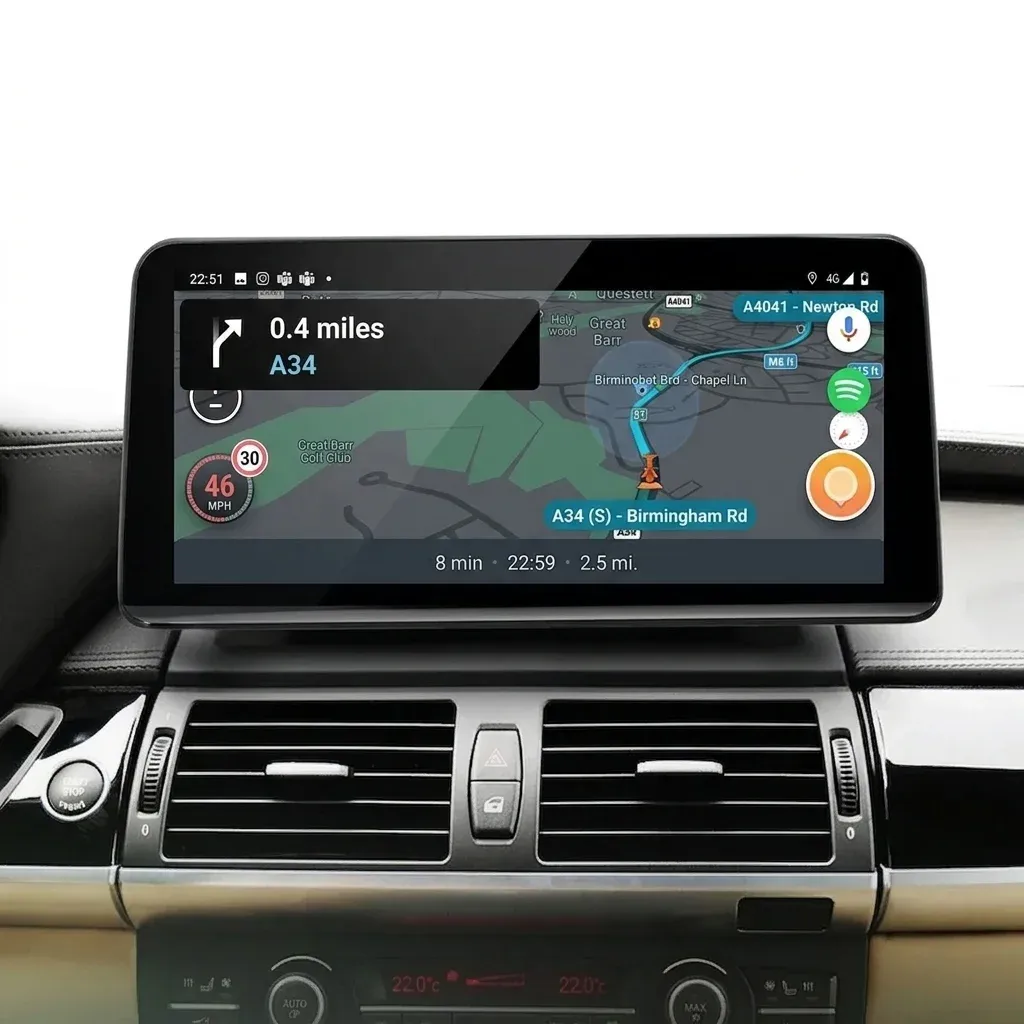
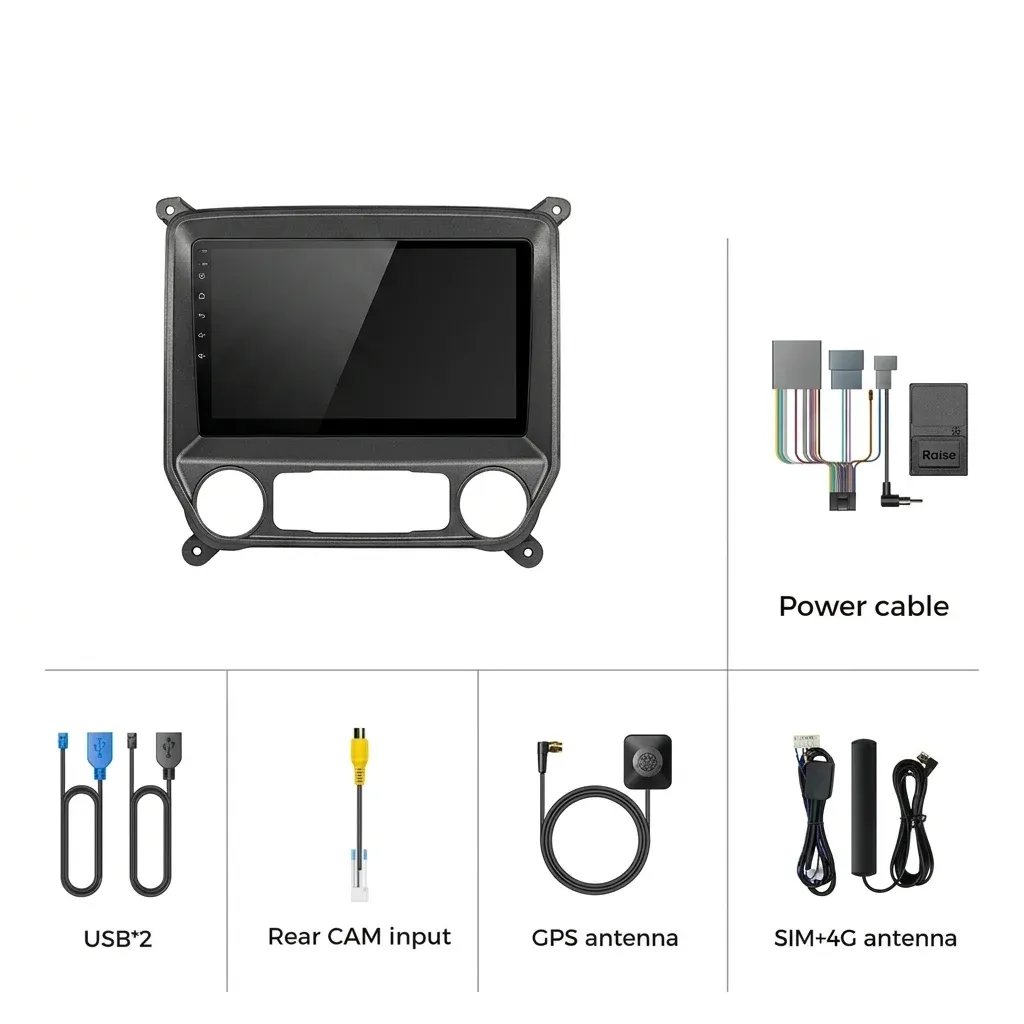
The useful part is not just the alarm, but the way the distance can appear on a compatible Android radio or rear monitor. That makes the alert easier to interpret in real time, especially when you are easing into a garage or backing toward a curb, so the next question is how the sensing range behaves in practice.
0.3 to 2.5 meters: where the system is most useful
The stated talk range of 0.3 to 2.5 meters is well matched to parking work rather than open-road driving. In practical terms, it starts helping when the car is already close to an obstacle, which is exactly when small misjudgments become expensive.
That range is also broad enough to support both front approach and reverse maneuvers, so you can get early awareness before the bumper is too close for comfort. Users who want a softer warning curve than a single-distance beep should find this setup more informative, but the sensor layout is what makes that happen.
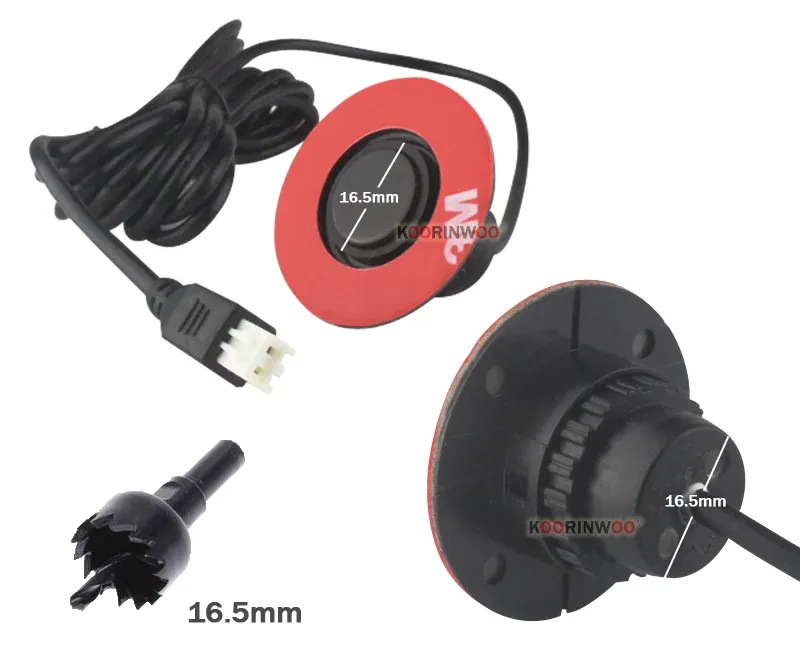
Eight flat 16.5 mm sensors for a cleaner OEM-style install
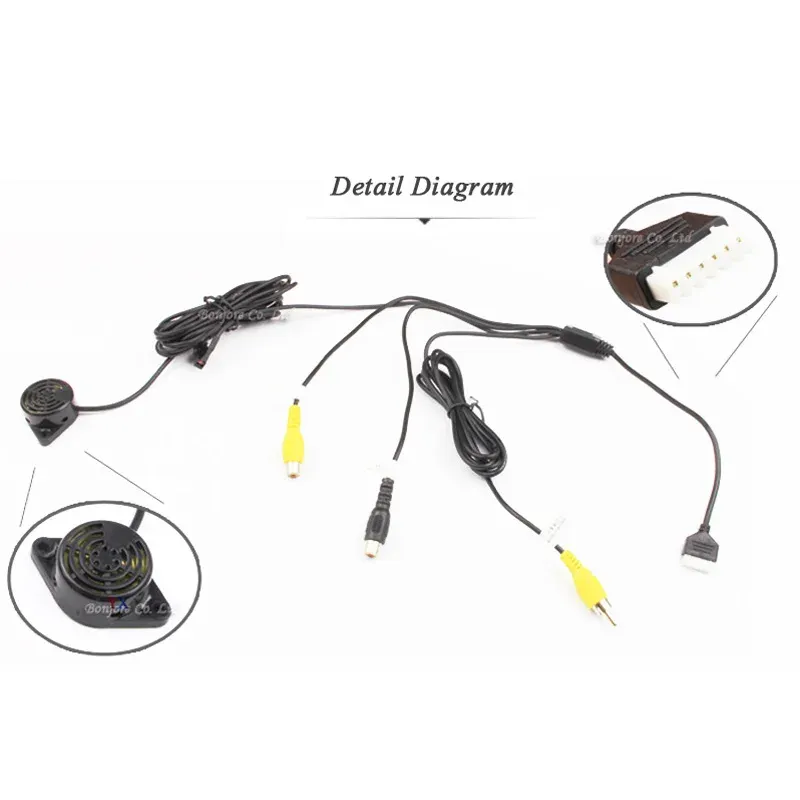
The 16.5 mm sensor size is a strong clue that this kit is meant to sit flush and look integrated rather than bulky. With black, white, grey, silver, and red sensor options, it is easier to match factory trim and avoid the aftermarket look that many universal kits create.
Eight sensors give the system better coverage than the common four-sensor rear-only setups, especially on larger sedans, SUVs, and vehicles with wide bumpers. That wider net helps reduce blind spots at the corners, which is where many minor parking scrapes begin.
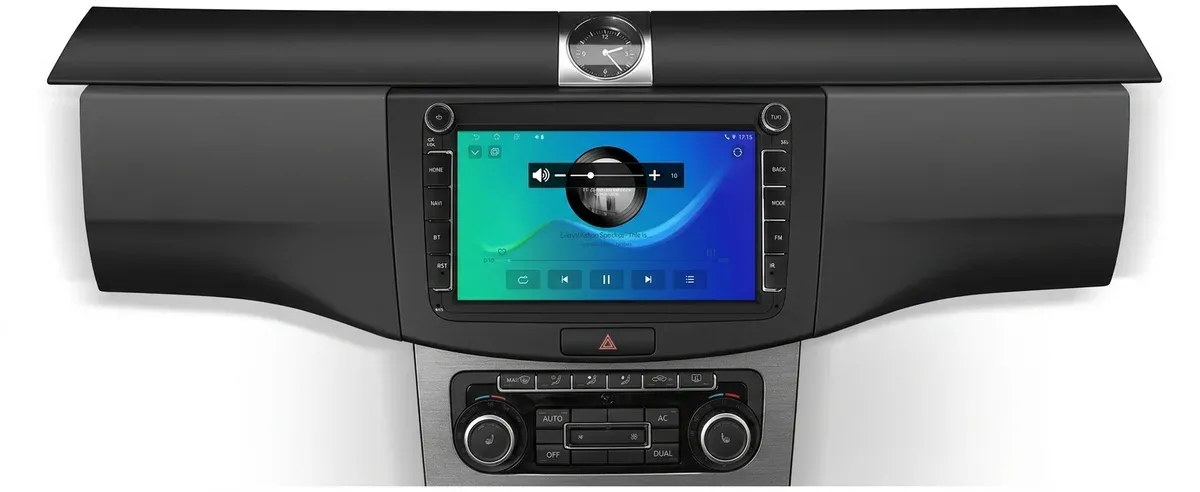
Visual alert on Android radio: the detail that changes usability
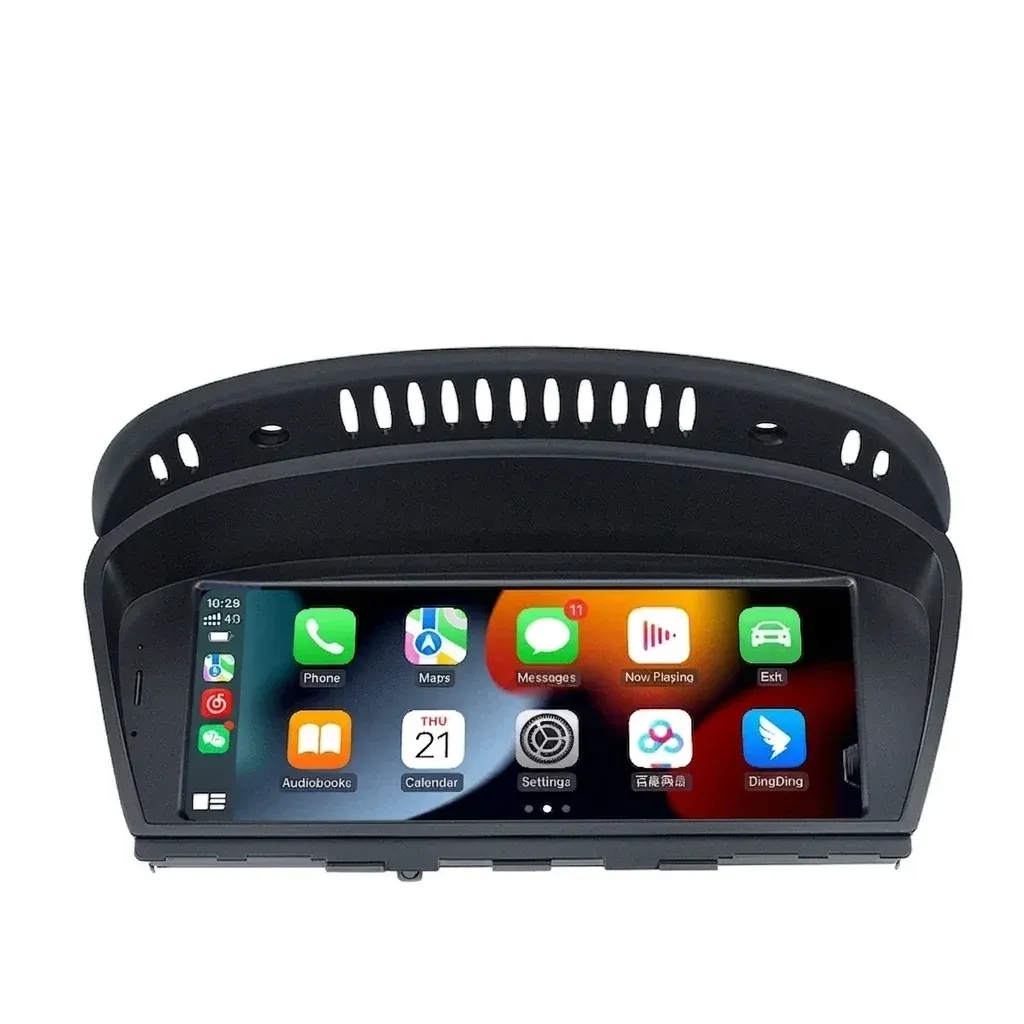
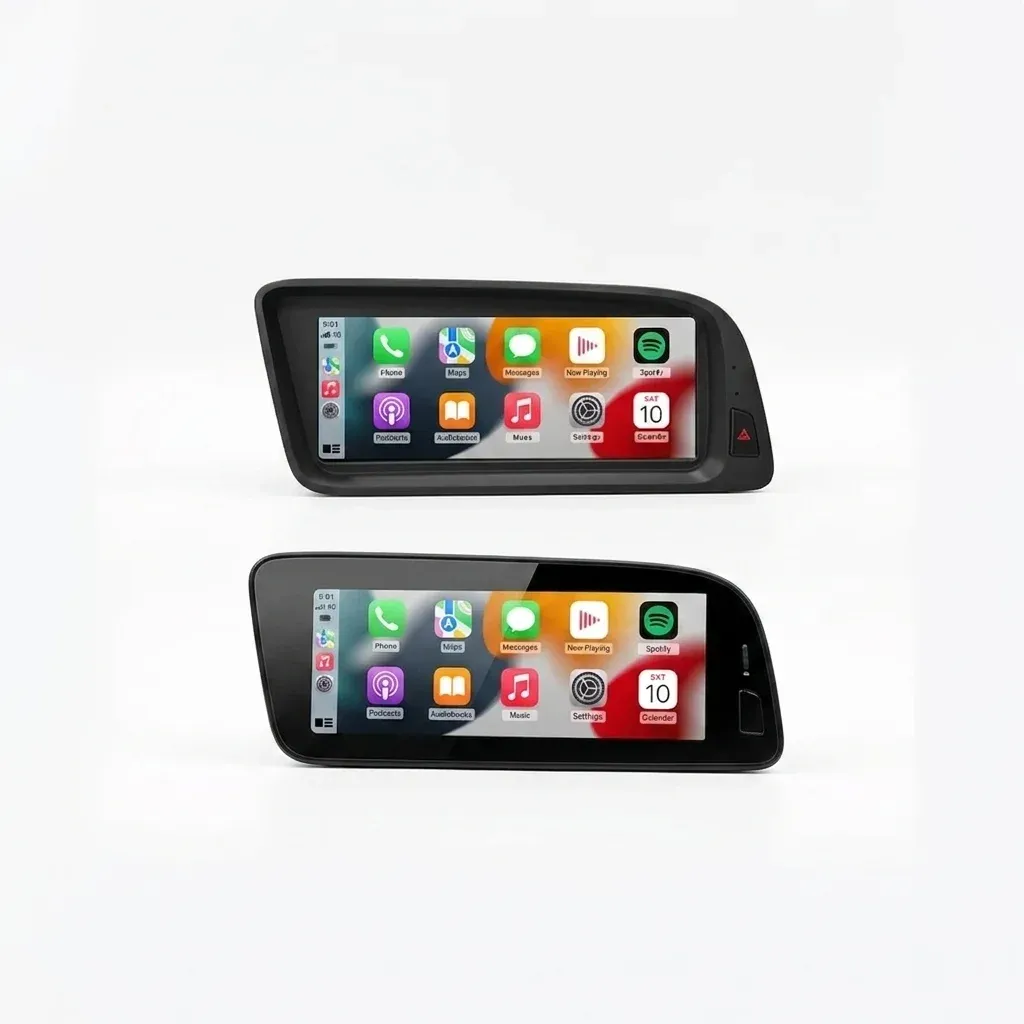
Because the kit supports a CVBS video system, it can work with compatible rearview displays and show distance data where the driver already looks. That is a real advantage over standalone buzzers, which force you to translate sound into distance without any visual confirmation.
The monitor and camera are not included, so this is best for drivers who already have an Android head unit or a compatible display in the car. If your setup is already video-capable, the integration feels more polished, and the next point is the sound cue itself.
65 dB buzzer: clear enough without being harsh
The alarm volume is listed at 65 dB, which suggests a warning that is audible inside the cabin without sounding aggressive. That matters in daily use, because a parking sensor should guide attention rather than dominate the cabin every time a wall, pole, or another car enters range.
Users who prefer a visible cue with a backup sound cue will likely appreciate this balance, and the single customer review mentioning quick arrival and good quality lines up with that first impression. The remaining question is whether this kit is a fit for every driver or only for specific builds.
Best fit for retrofit projects and daily urban driving
This kit makes the most sense for drivers upgrading an older vehicle, or for anyone whose factory parking aid is incomplete. It is especially relevant in dense city parking, shopping-center lots, and homes with narrow garages where inches matter more than speed.
Installers should plan around the missing monitor and camera, since those parts must already be on hand or added separately. For the right vehicle, though, the combination of eight sensors, visible distance output, and a CE-marked design creates a practical parking aid that feels more capable than a basic audible kit.