














Why Koorinwoo stands out in AliExpress car electronics
Koorinwoo has built a solid reputation in the AliExpress car-tech niche by focusing on practical parking aids rather than flashy extras. Its products usually combine visible feedback, clear sensor logic, and straightforward installation language, which is exactly what drivers want when they are upgrading a daily car rather than building a show setup.
This system follows that pattern with a dashboard-friendly monitor, front and rear sensing, and camera-based guidance that turns parking into a more visual process. For drivers who want one kit to reduce guesswork in tight garages or crowded lots, the concept is immediately useful, so what does the hardware actually offer in practice?
8 or 4 sensors: how much coverage do you really get?
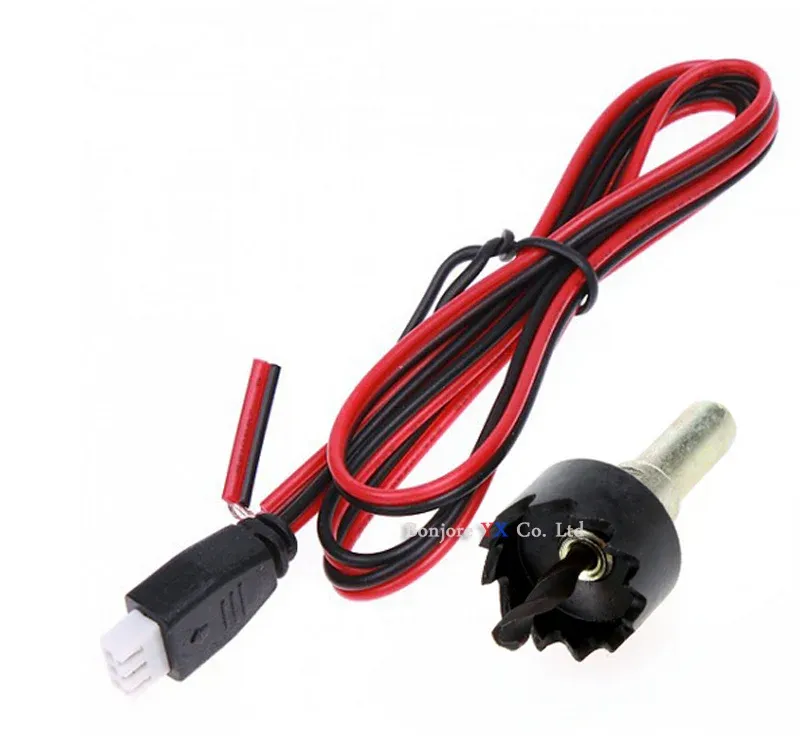
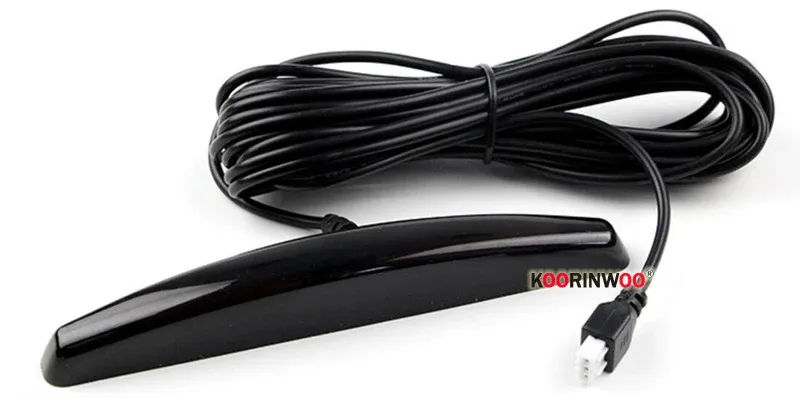
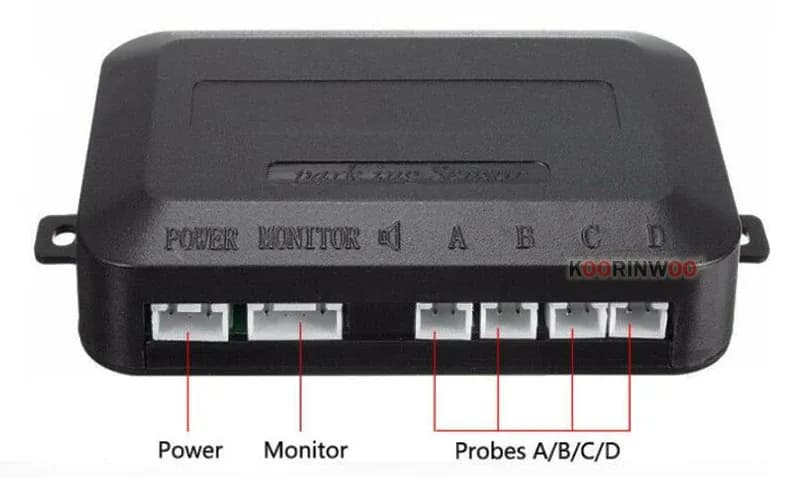
The main advantage here is flexibility, because the kit can be configured with 8 sensors for front-and-rear coverage or 4 sensors for a simpler reversing setup. That matters if your car has a long nose, limited rear visibility, or a bumper shape that makes distance judging difficult by eye.
The stated talk range of 0.3 to 2.1 meters gives the system a useful working window for slow-speed maneuvering, where most parking mistakes happen. In real use, that range is more about warning time than precision measurement, so it is better suited to cautious approach control than to exact centimeter-level judgment.
What the 5-inch display changes on the road
The 5-inch, 800 x 480 monitor is not large by modern infotainment standards, but it is large enough to keep sensor data and camera images readable without taking over the cabin. The visible format is a good fit for drivers who want a dedicated screen instead of relying only on an Android head unit.
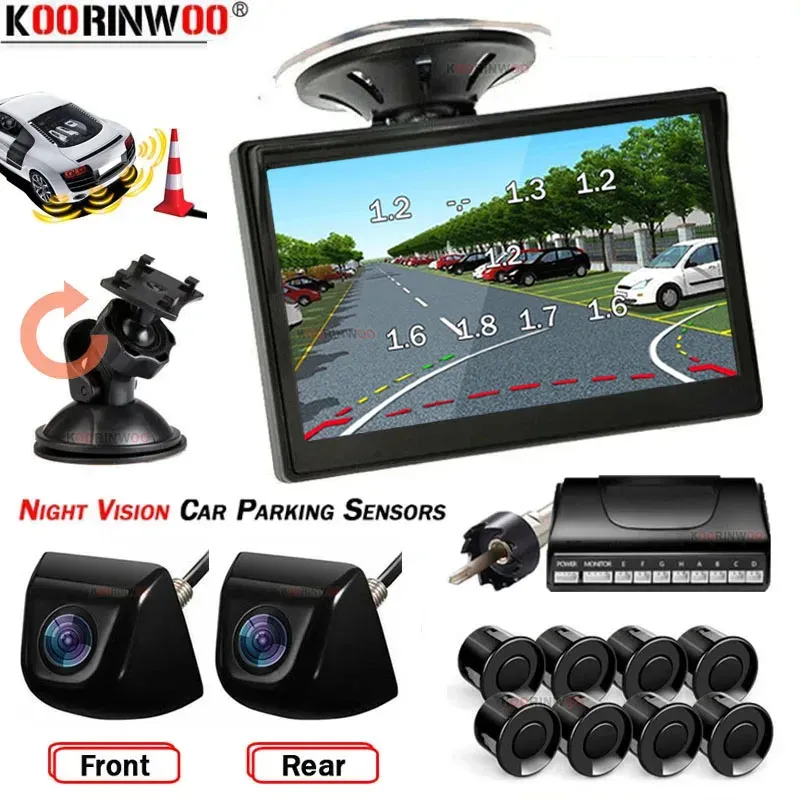
That separation can be useful in older cars or in vehicles where the radio screen is already crowded with navigation and media controls. Because the system shows both reversing image and front-camera distance information, it gives you a more complete picture when creeping into a bay or edging out of a blind spot, and that is where the next detail matters most.
Rear camera guidance with dynamic trajectory lines
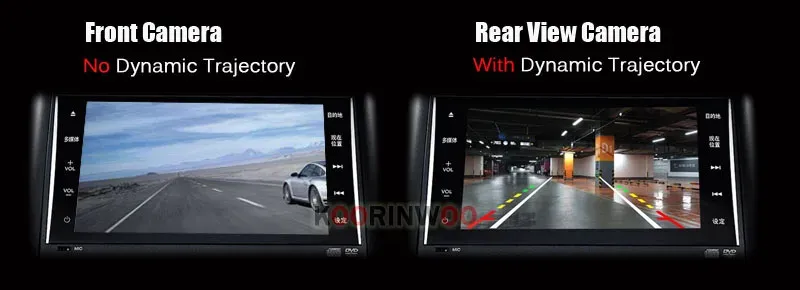
The rear camera output uses mirror image mode with dynamic trajectory lines, which is the feature most likely to reduce steering confusion during reverse parking. Those moving lines help you read where the car is heading instead of forcing you to mentally translate wheel angle into path, which can feel awkward in narrow spaces.
The front camera is described as a normal image without parking lines, so it works more like a clean forward view than a guided maneuvering aid. That makes the rear side of the system the stronger parking tool, while the front camera acts as a visibility upgrade when approaching curbs, walls, or low obstacles.
Built for weather, night use, and daily abuse
The IP68 rating on the sensors is a useful sign for anyone driving through rain, winter slush, or frequent car washes, because exposed parking hardware sees a lot of moisture. Night vision support on the camera side adds another layer of practicality, especially for evening parking in dim apartment lots or underground garages.
Voltage support from 9 to 16V makes the kit compatible with standard passenger-car electrical systems, and the CE certification adds a basic compliance signal. The mixed-material construction is typical for this category, but the real value comes from the way the system tries to combine radar and video rather than forcing drivers to depend on one cue alone, so how does that compare with simpler kits?
Better than a basic beeper, less complex than a full OEM retrofit
Compared with a simple four-sensor buzzer kit, this setup gives you visual context, which is a major upgrade when distance warnings alone are too vague. Compared with a factory-style retrofit, it is far more affordable and easier to justify for an older car that still needs dependable parking help.
Real customer feedback is limited but generally favorable, with users praising the clear installation labeling and overall quality, while one review flagged a bad camera experience. That split suggests the kit can be strong value for the money, but camera consistency and installation quality still deserve attention before you route everything into the cabin.
Practical installation notes
This kit is most appealing for drivers who already have some comfort with car electronics or who can work with an installer, because the system is more involved than a plug-in dash accessory. The fact that it is designed for front and rear parking sensing means you should plan sensor placement carefully, since bumper height and angle will affect how natural the alerts feel.
For everyday use, the best result comes from treating the screen as confirmation and the sensors as the primary warning layer. That combination is especially helpful when backing into tight spaces where mirrors miss low posts, shopping carts, or short walls, and that is the kind of detail that makes the kit worth considering.