












Parking stress drops when distance and camera view work together
This Koorinwoo system tackles the biggest problem in tight parking: judging space before the bumper gets too close. It pairs audible sensor feedback with a visible 5-inch monitor, so the driver is not relying on sound alone or a camera alone.
That dual approach is what makes it more practical than a basic reverse camera, especially in crowded garages or around low curbs. If you want a clearer picture of how the front and rear setup behaves in real use, the sensor layout is where the story starts.
Eight sensors give the system its real-world range
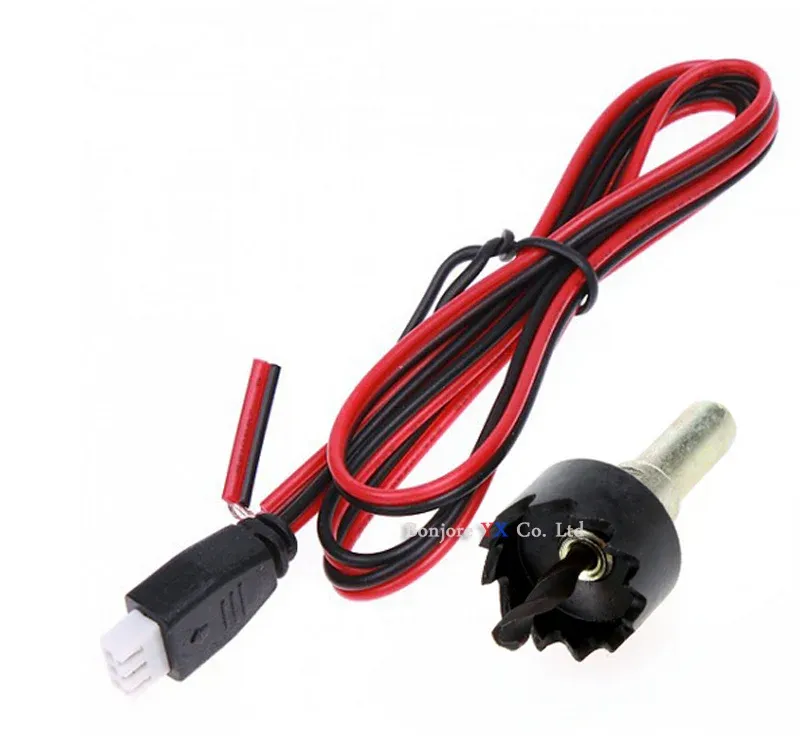
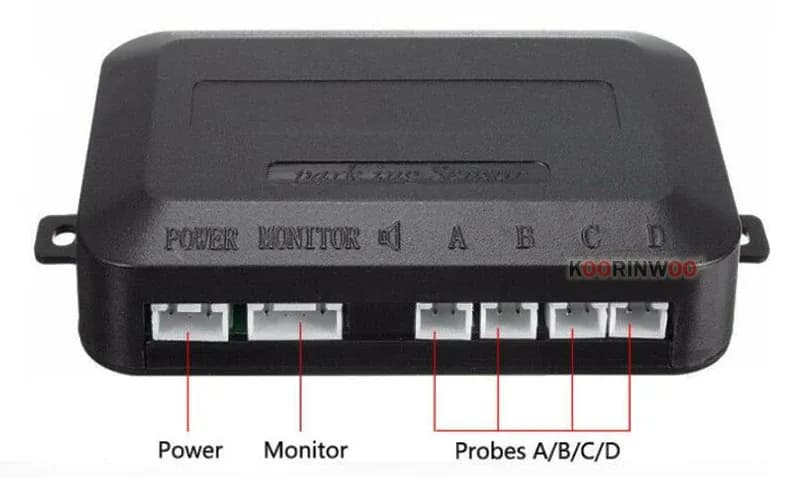
The 8-piece sensor array is the core of this kit, and the stated 0.3-2.5 m talk range suggests it is built for both early warning and final approach control. In practice, that means the system can help during the last slow roll into a parking space as well as when you are still a few steps away from an obstacle.
Compared with simpler 4-sensor kits, this layout gives broader coverage across the vehicle’s front and rear zones. That matters most on wider bumpers, where corner awareness is often the difference between a smooth stop and a nervous correction.
Front and rear cameras solve different visibility problems
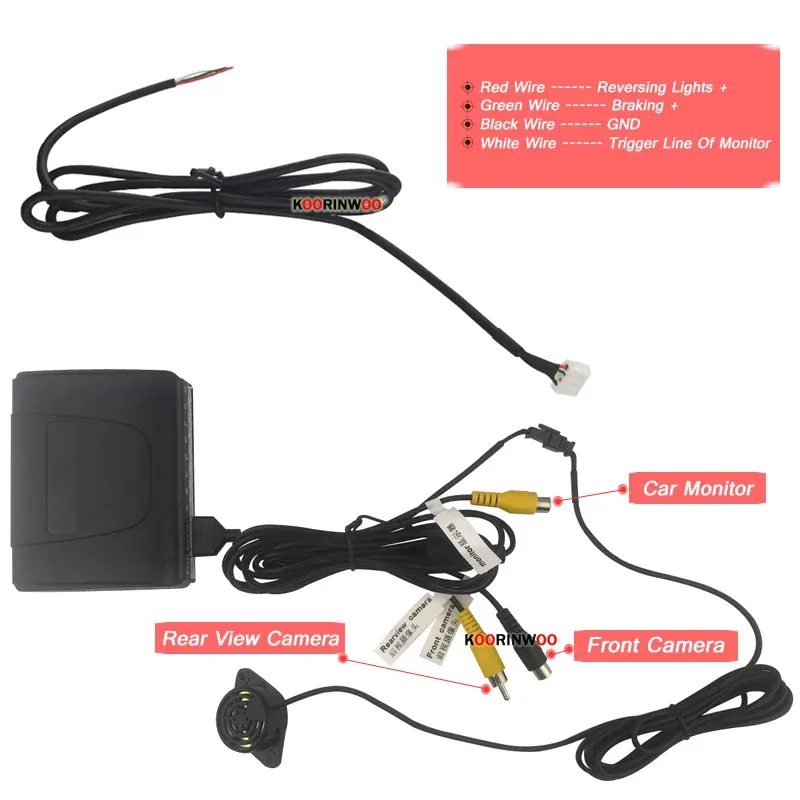
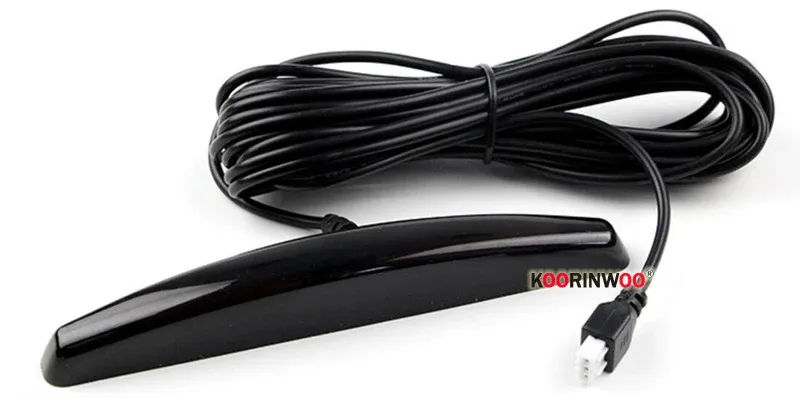
The front camera uses a normal image without parking lines, which is useful when you want a natural view of curbs, posts, and wheel stops. The rear camera switches to a mirror image with parking lines, making it easier to back in without mentally reversing the scene.
That split design is sensible because front and rear parking are not the same task. Users who switch between parallel parking, garage parking, and driveway maneuvering will likely appreciate that each camera is tuned for its own job, so what does the display add on top?
Why the 5-inch screen matters in daily driving
The 5-inch monitor with 800×480 resolution is not oversized, but it is large enough to read quickly without crowding the dashboard. On a system like this, a clean screen is more useful than a flashy one, because parking decisions happen in seconds.
It also supports a wide range of OSD languages, which is a practical advantage for international listings and mixed-language vehicle setups. For drivers who want clear on-screen guidance rather than just buzzer tones, the display is the part that turns raw sensor data into something easier to trust.
Night vision and IP68 protection make the kit more usable outdoors
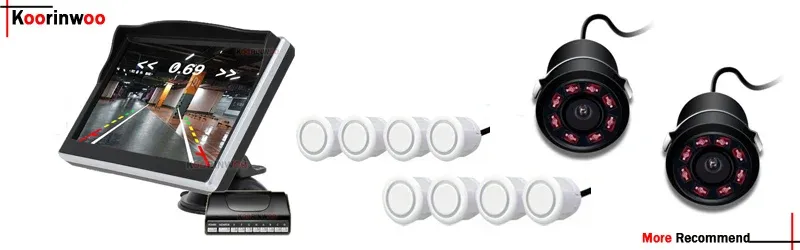
The rear camera includes 8 IR lights for low-light conditions, while IP68 waterproofing helps the hardware handle rain, wash water, and road spray. That combination is especially relevant for backup systems, since the camera lens is often the first part to suffer in bad weather.
The metal camera housing also gives the setup a more durable feel than lightweight plastic units. According to users of similar Koorinwoo parking kits, the brand’s appeal is usually in this mix of practical hardware and straightforward display logic, which is why AliExpress United States often sees it in the better-value parking category.
Who gets the most from this setup?
This kit makes the most sense for drivers who want a visible parking aid instead of a buzzer-only radar. It is also a strong fit for larger sedans, SUVs, and daily work vehicles where bumper clearance and rear visibility are both concerns.
Installation complexity is the main trade-off, since a full sensor-and-camera system takes more planning than a standalone camera. If you are comfortable with a more complete parking solution, the next question is whether the hardware details justify the effort.