








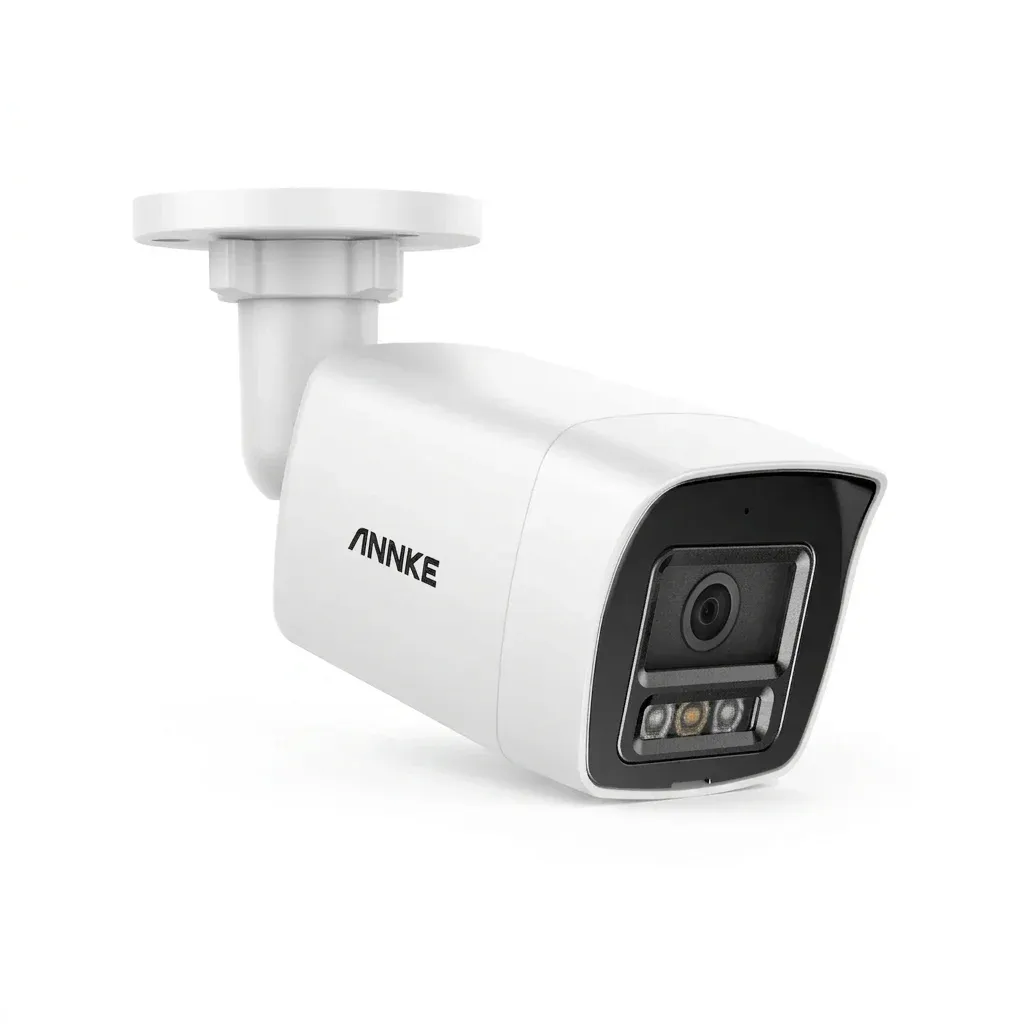
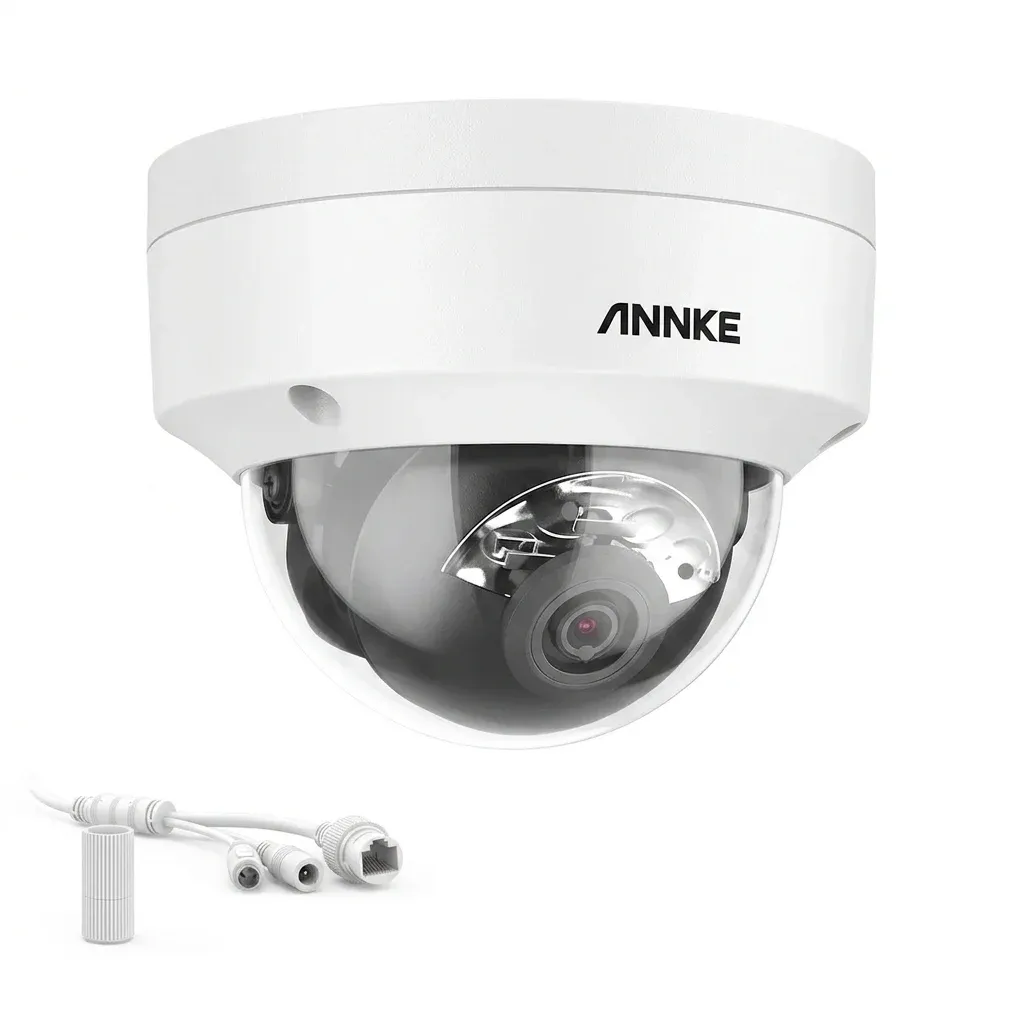

Remote surveillance without a power line
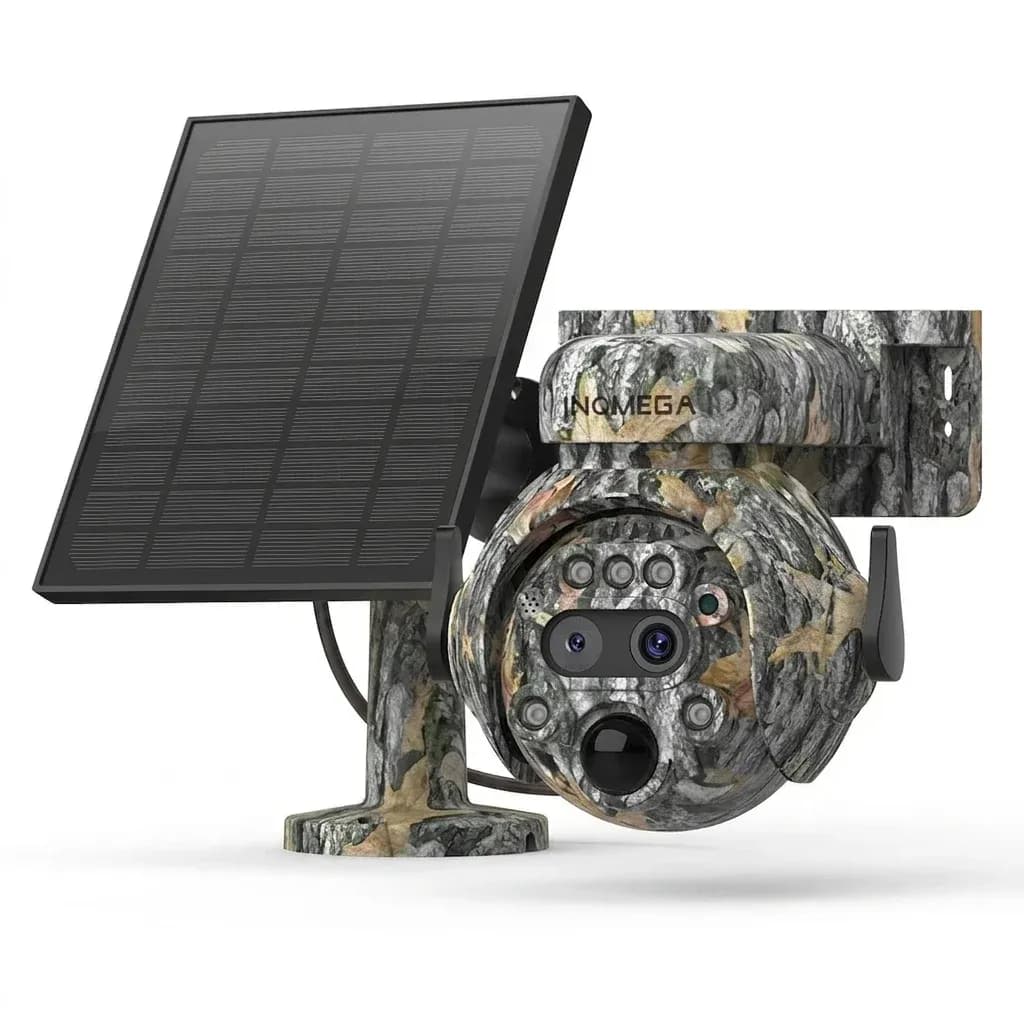
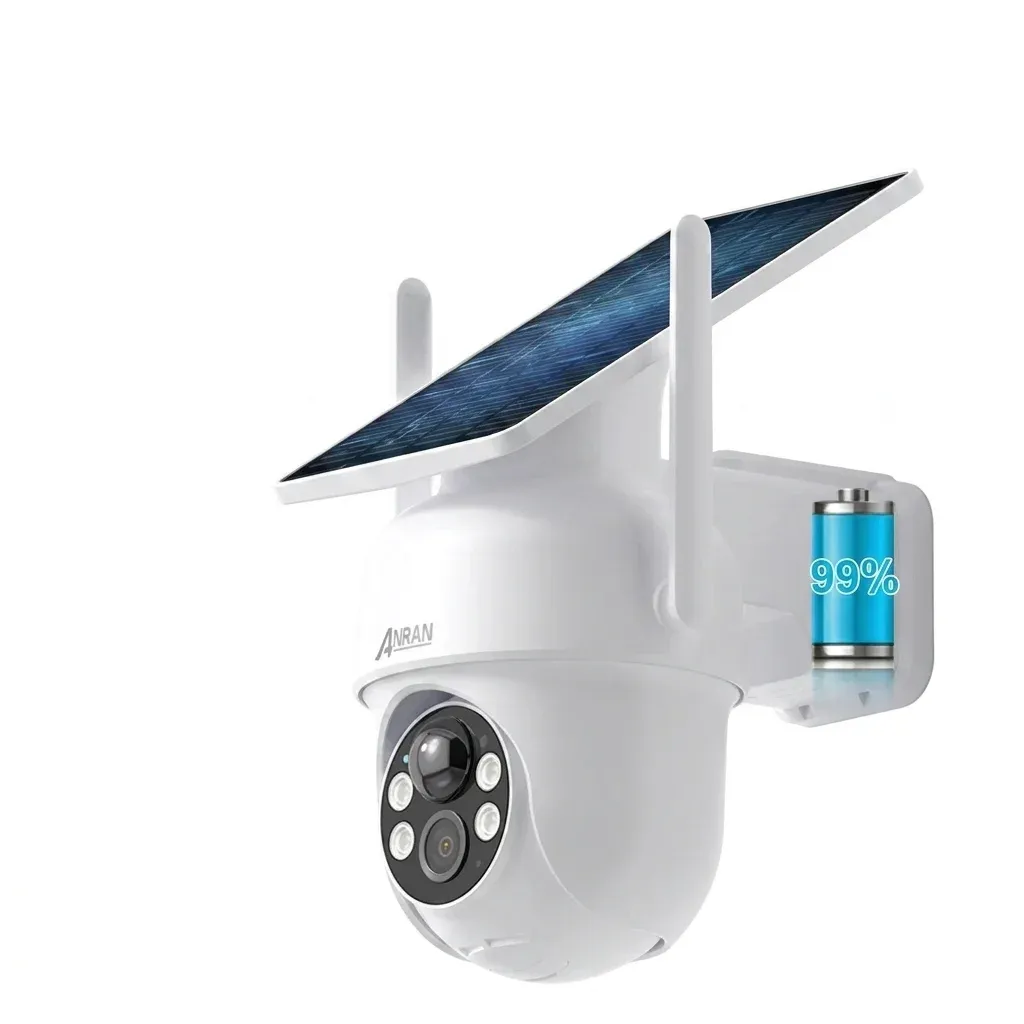
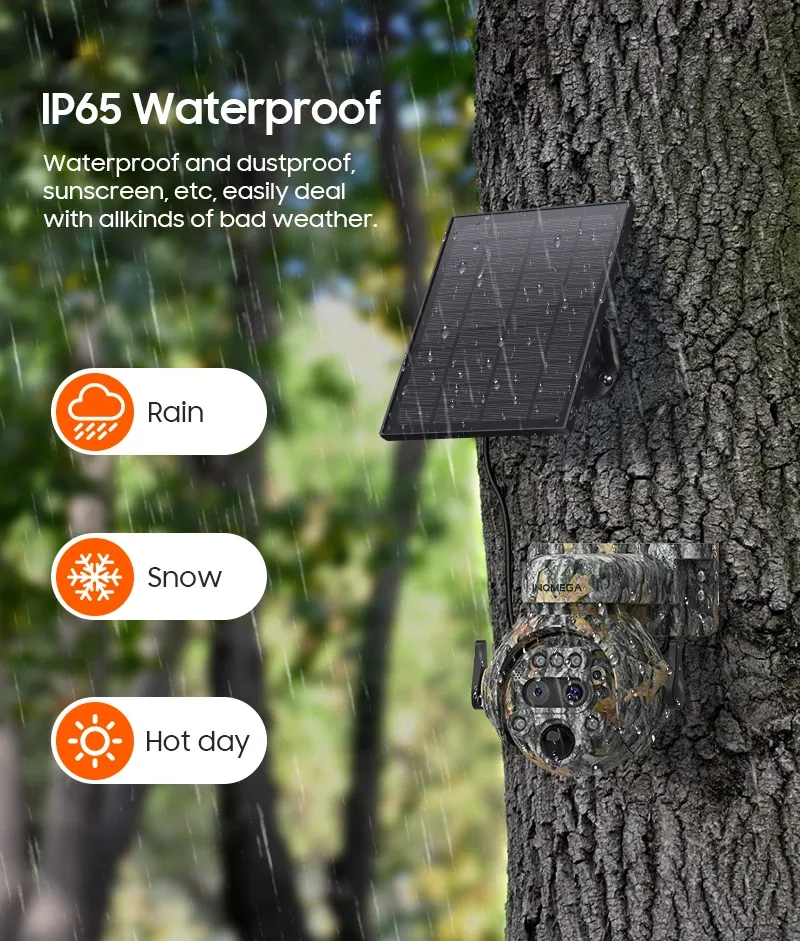
This camera solves a familiar problem for off-grid sites: keeping an eye on an area where mains power and fixed internet are not guaranteed. The solar panel and wireless connectivity make it a practical fit for forest cabins, gates, sheds, and rural perimeters, where running cable would be the real obstacle.
At this level, the appeal is not just convenience but placement freedom, because the camera can be mounted where the light is best and the view is widest. That matters when the goal is to cover an isolated approach or a blind corner without building a full wired system, so what does the imaging setup actually deliver?
8MP imaging and a 3.6mm lens in real use
The 8MP CMOS sensor is designed to capture more scene detail than basic 2MP or 4MP budget units, which helps when you need to distinguish movement near a fence line or a vehicle at a distance. The 85° viewing angle is not ultra-wide, but it gives a more focused frame that can preserve subject size and improve identification in the center of the image.
The 3.6mm focal length suggests a balanced field of view rather than an exaggerated panoramic look, so users should expect a camera that watches a lane, doorway, or trail more effectively than a broad yard sweep. In practice, that makes it better for targeted monitoring than for full-property coverage, which raises the question of how it handles alerts.
PIR detection that cuts down on pointless motion alerts
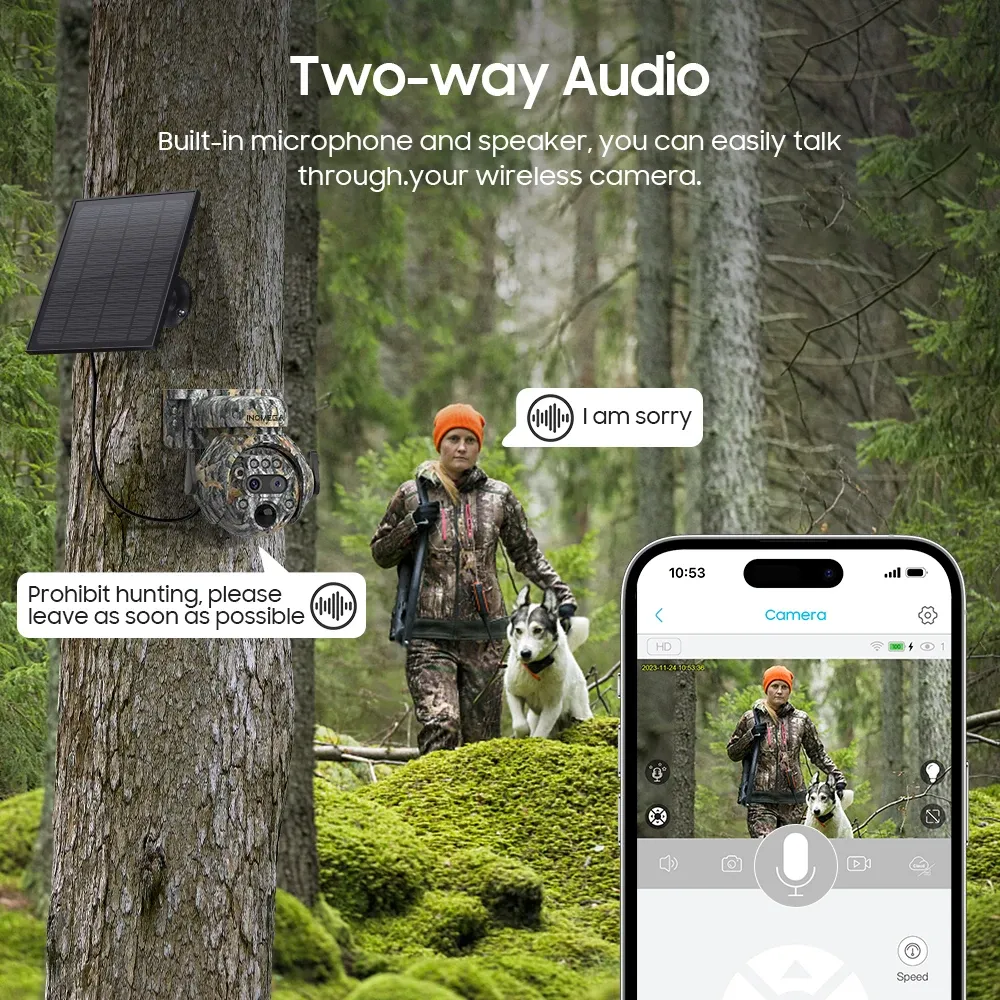
PIR human detection is one of the most useful parts of the design because it focuses alerts on body heat and movement patterns instead of every swaying branch. In a forest or windy outdoor setting, that can reduce the flood of false notifications that often makes low-cost cameras frustrating to use.
The alarm action is listed as FTP photo, which points to a system built for event snapshots rather than a heavy smart-home workflow. Users who want simple evidence capture will likely appreciate that approach, while those expecting advanced automation should check compatibility carefully before setting it up.
Solar power and the battery question
Real-world feedback is mixed on power endurance, and that is the most important detail to weigh here. Some customers report solid image quality and smooth operation, while one reviewer noted that the solar panel and battery felt small for the camera’s consumption, which suggests placement in strong sunlight is critical.
That makes this model best for locations with reliable daytime charging and moderate trigger activity, not for shaded sites with constant motion. If the panel can stay exposed and the camera is not firing all day, the setup should be far easier to maintain than a hardwired outdoor unit, so connectivity becomes the next decision point.
4G or Wi‑Fi: choosing the right version for the site
The biggest advantage here is flexibility, since the camera is offered with either 4G or Wi‑Fi support and works with iOS and Android phones. That means users can match the model to the site: Wi‑Fi for a cabin with internet, 4G for a remote plot where no router is available.
There is a catch worth noting from user reports: one buyer mentioned no signal and SIM card issues, which is a reminder that 4G deployment depends on carrier compatibility and setup discipline. For buyers in the AliExpress United States market, that makes SIM selection and local network support just as important as the camera body itself.
Who gets the most value from it
This INQMEGA model fits buyers who want a self-contained outdoor camera for a specific zone rather than a large multi-camera ecosystem. It is most convincing as a monitoring tool for trails, gates, storage yards, and low-traffic properties where the combination of solar charging and mobile access matters more than smart-home depth.
- Useful for remote sites where wiring is difficult
- PIR detection helps reduce false motion alerts
- 8MP resolution gives usable detail for medium-range scenes
- 4G or Wi‑Fi versions cover different installation needs
- Mobile support keeps live viewing and checks simple
- Best when the solar panel can receive strong daylight
Customers have praised the image quality and the honest pricing for the feature set, but the power system and 4G setup deserve careful attention before installation. If those two points line up with the site, the camera has a clear use case that is easy to understand and hard to replace with a standard wired unit.