













Precision where a chisel starts to feel risky
This router plane solves a common woodworking problem: cleaning the bottom of a groove or recess without wandering off the line. In practice, that means tighter joinery, flatter mortises, and less time correcting small mistakes by hand.
At 173 × 84 × 102 mm, it stays compact enough to control with one hand while still giving enough mass to feel stable on the workbench. That balance matters when you want a tool that tracks smoothly instead of skating across soft grain, so what does that feel like in use?
What the compact metal body changes at the bench
The metal construction gives the plane a firmer, more rigid feel than many lightweight hobby-grade alternatives. According to users, the finish and overall build quality are better than expected at this level, which is encouraging for a tool meant to stay accurate under pressure.
The 388 g weight is light enough for repetitive trimming, yet heavy enough to help the blade stay planted during shallow passes. For small joinery tasks, that can be the difference between a clean shelf recess and a surface that needs extra sanding, so the next question is how the blade setup behaves.
Blade size and sharpening: the part that decides performance
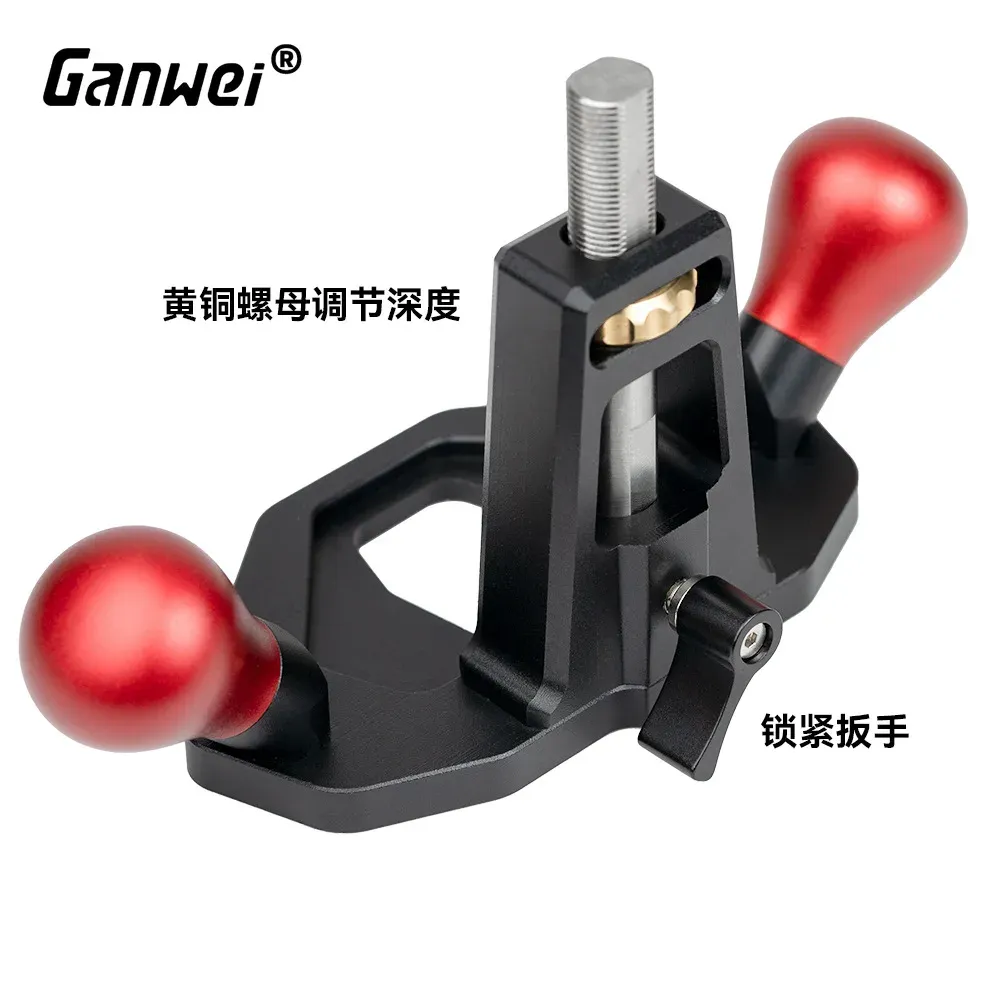
The 26 × 12 × 4.6 mm blade is wide enough for practical groove cleanup, but it is not a set-and-forget cutter. Real user feedback suggests the blade should be sharpened before serious work, which is normal for many value-oriented hand tools and worth planning for before the first project.
That requirement is not a drawback if you already maintain chisels and planes, because a sharp edge is what lets the tool leave a crisp, polished floor in dados and mortises. If you prefer plug-and-play tools straight from the box, this one asks for a little preparation, which leads naturally to who will appreciate it most.
Best use cases: grooves, burrs, and small joinery cleanup
This plane is aimed at fine woodworking rather than rough stock removal. It is well suited to trimming burrs, leveling shallow grooves, and refining joinery where a full-size plane would feel awkward or oversized.
Its small platform is useful in tight spaces, but it also limits how much surface it can bridge at once. That makes it excellent for focused detail work and less ideal for broad flattening jobs, which is exactly the trade-off to expect from a compact router plane.
Scale markings and adjustment: useful, but not the star feature
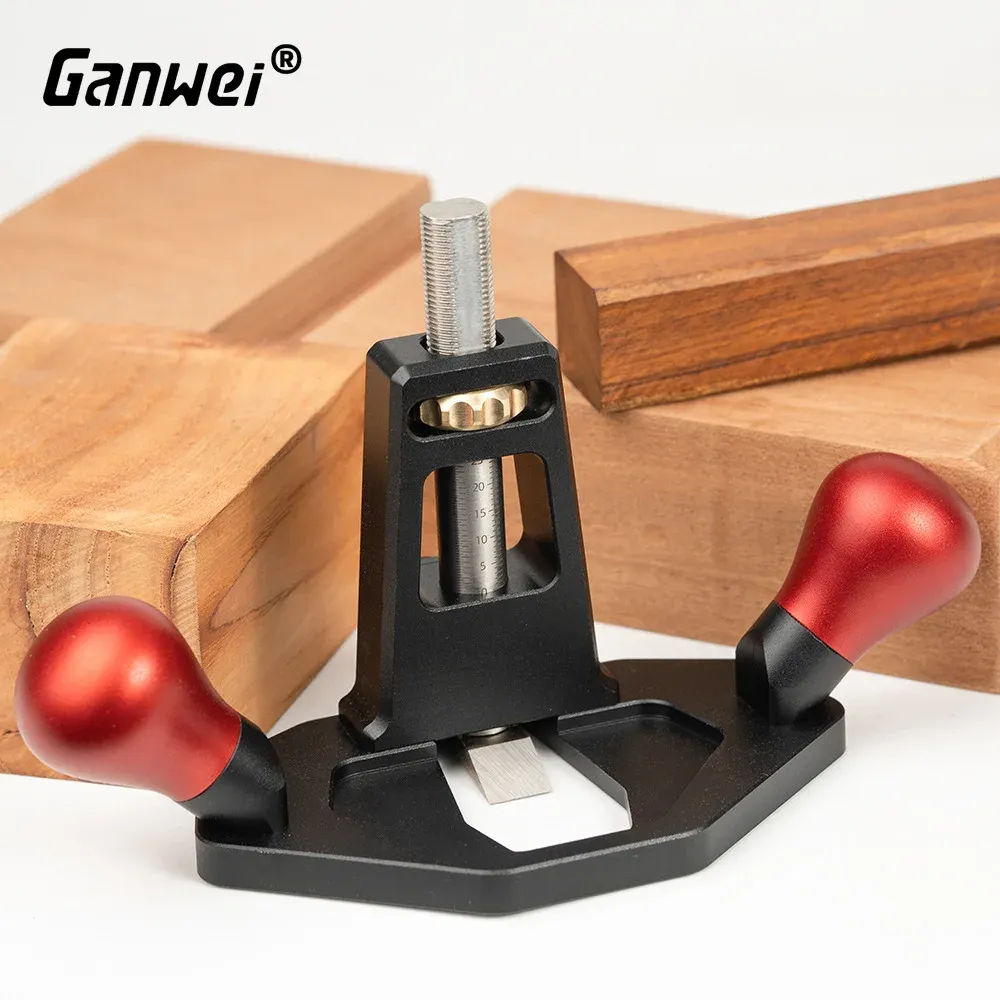
The graduated scale is present, yet users note that it can be hard to read, especially in low light or for anyone who wants quick micro-adjustments without leaning in. On a bench tool like this, a clear setting reference helps, so a brighter shop lamp or a habit of marking your preferred depth can save time.
That same feedback points to a tool designed more for hands-on craftsmanship than precision instrument aesthetics. For many AliExpress Hand Tools shoppers, the value is not in luxury detailing but in whether the plane cuts cleanly after a little tuning, and this one appears to reward that approach.
How it compares with larger or premium router planes
Compared with premium router planes that add fine-adjustment mechanisms, this model is simpler and more manual. That simplicity can be an advantage if you want fewer parts to maintain, while the trade-off is a less refined depth-setting experience and a smaller working platform.
If your projects involve cabinets, boxes, or small furniture repairs, the compact format makes sense because it reaches places bulkier planes struggle to access. For heavier production work, a larger and more adjustable model will feel faster, but for detail-driven bench tasks this one keeps the price-to-function ratio sensible, doesn’t it?