










Why this lathe solves the small-shop precision problem
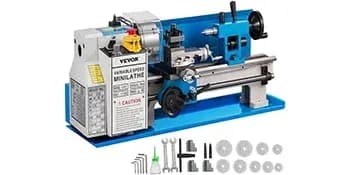
A compact lathe like this matters when you need accurate turning without dedicating floor space to a full-size machine. The VEVOR unit is aimed at hobby machinists, repair benches, and small fabrication setups that want thread cutting, facing, and drilling in one footprint.
As a product from VEVOR, it fits the brand’s usual AliExpress United States profile: practical workshop equipment with broad specs, CE certification, and a focus on usable performance rather than cosmetic extras. That makes the real question less about what it is and more about which version matches your workload, doesn’t it?
What the 550W to 1100W range changes in practice
The motor options are the first thing to read carefully, because they change how confidently the lathe handles denser stock. A 550W model suits lighter brass, aluminum, and small steel jobs, while the 1100W versions give more headroom when the cut gets deeper or the workpiece is less forgiving.
That extra power is not just a spec on paper; it helps the spindle stay steadier when you are threading or taking repeated passes. For users who hate stalling mid-cut, the higher-watt variants are the safer choice, and that leads straight into the speed control question.
Variable speed and why it matters for finish quality
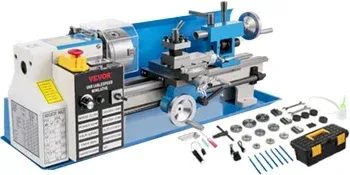
Variable speed is what separates a flexible bench lathe from a machine that feels limited after the first project. Lower speeds help when starting a cut or working on larger diameters, while faster settings are useful for cleaner finishing passes and drilling tasks.
In practice, that means less chatter, better surface texture, and more confidence when switching between materials. If you have ever seen a workpiece leave the chuck with a rough, torn edge, you already know why controllable speed is the part that changes the result most.
Large swing range, compact footprint
The listed sizes show the machine is offered in several bed lengths, from 180 x 350 mm up to 220 x 750 mm, so buyers can match the machine to their workspace and part length. The larger swing range is the useful part here, because it expands what can rotate over the bed without forcing a bigger shop layout.
That flexibility matters for sleeves, bushings, small shafts, and custom repair parts where clearance is the difference between a clean setup and an awkward workaround. If your bench is tight, the shorter versions deserve attention, but what about threading and drilling support?
Threading, facing, turning, and drilling in one setup
This lathe is positioned as a multi-operation tool, so it is most valuable when one machine can cover several common workshop tasks. Users who make threads, square off ends, or drill centered holes will appreciate not having to move a part between separate stations.
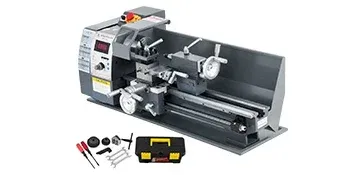
That workflow saves time and reduces alignment errors, which is especially useful for small-batch work and repair jobs. According to users of similar compact lathes, the biggest gain is not speed alone but fewer setup changes, and that is where a machine like this earns its place on the bench.
Who should consider the 220V AC setup
The 220V, 50Hz AC requirement makes this a better fit for dedicated workshop environments than casual home corners with limited electrical planning. It is best suited to users who already have a stable power setup and want a machine that feels more like shop equipment than a portable gadget.
The CE certification and brushless or brushed motor options also suggest a machine designed for serious bench use, not decorative display. If you are comparing it with entry-level mini lathes, the real difference is how much control and capacity you want before the first project even starts.
- Variable speed for different metals and cut depths
- Multiple motor power options from 550W to 1100W
- Several bed sizes for different workspace needs
- Threading, facing, turning, and drilling in one machine
- 220V AC workshop-ready power requirement
- CE certified for added buying confidence
- Compact format for bench-based metalworking