








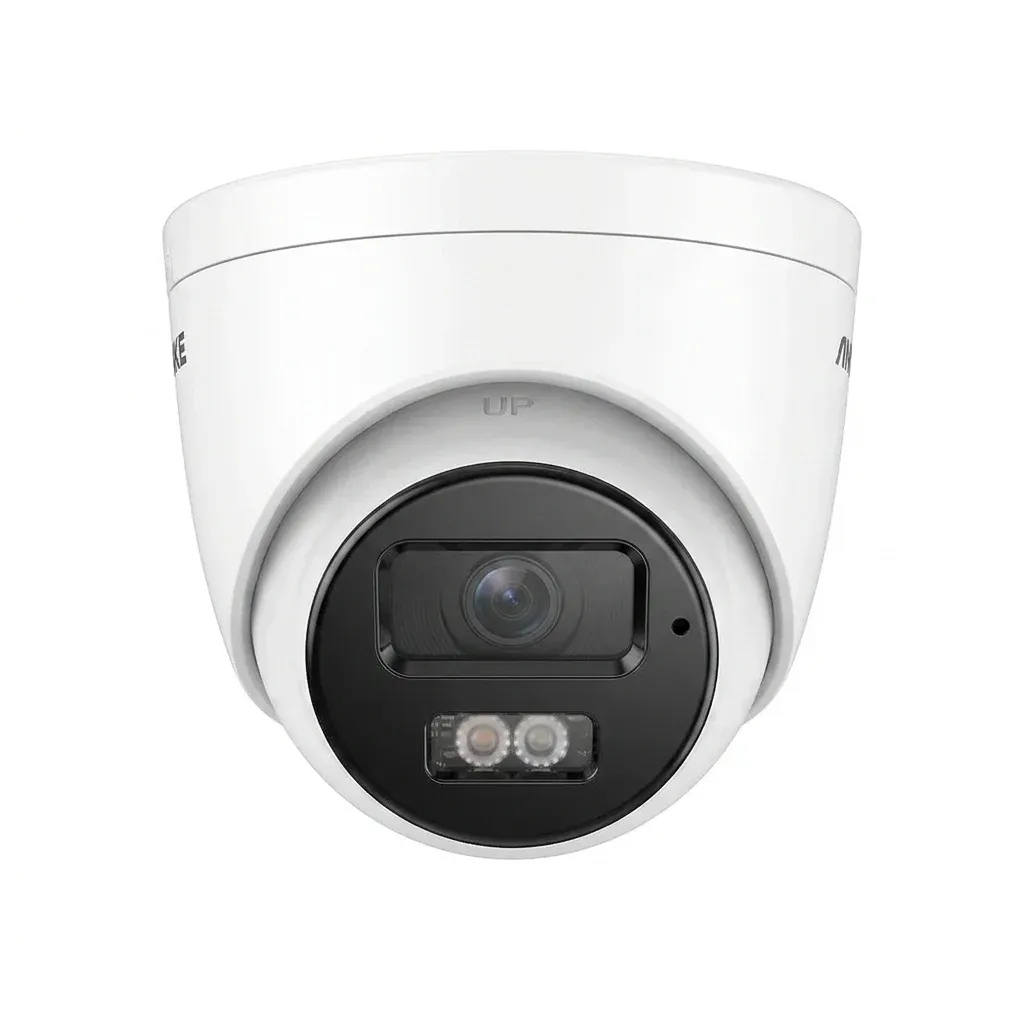

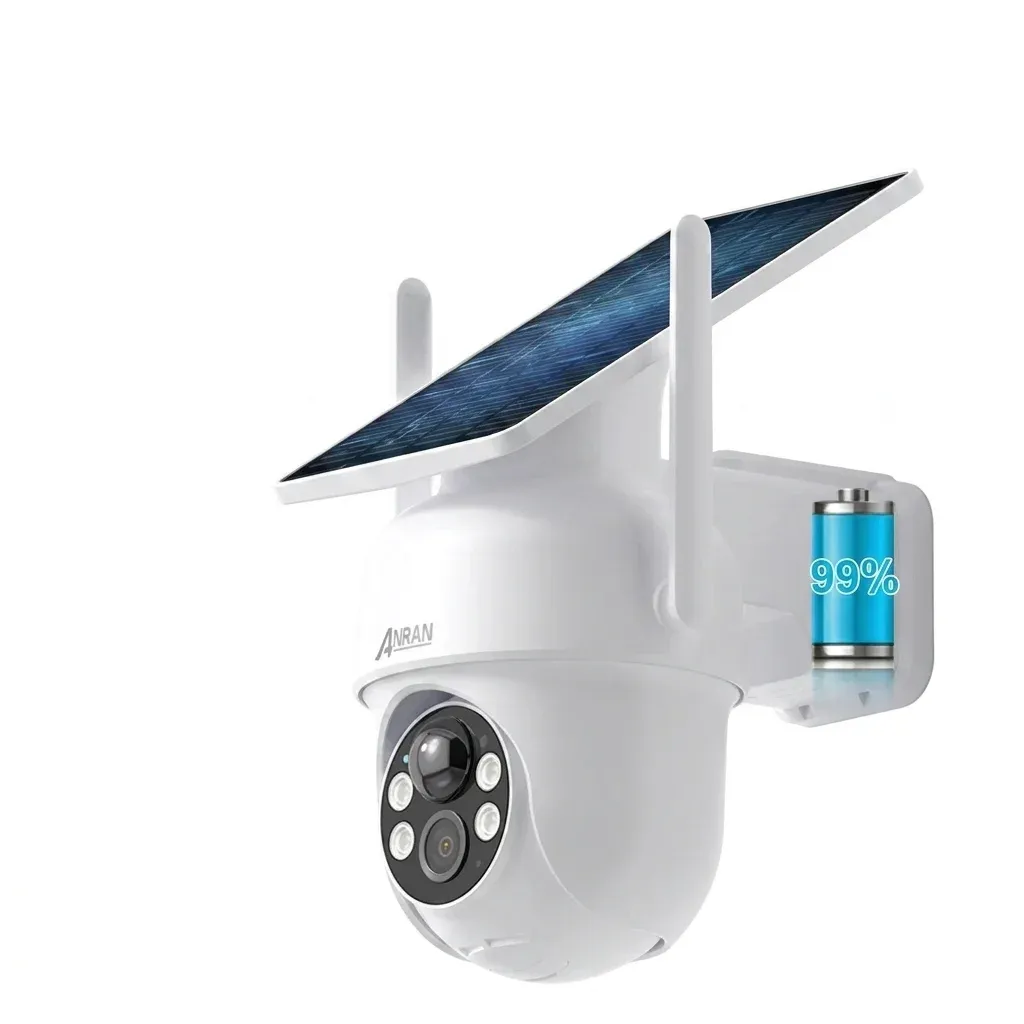
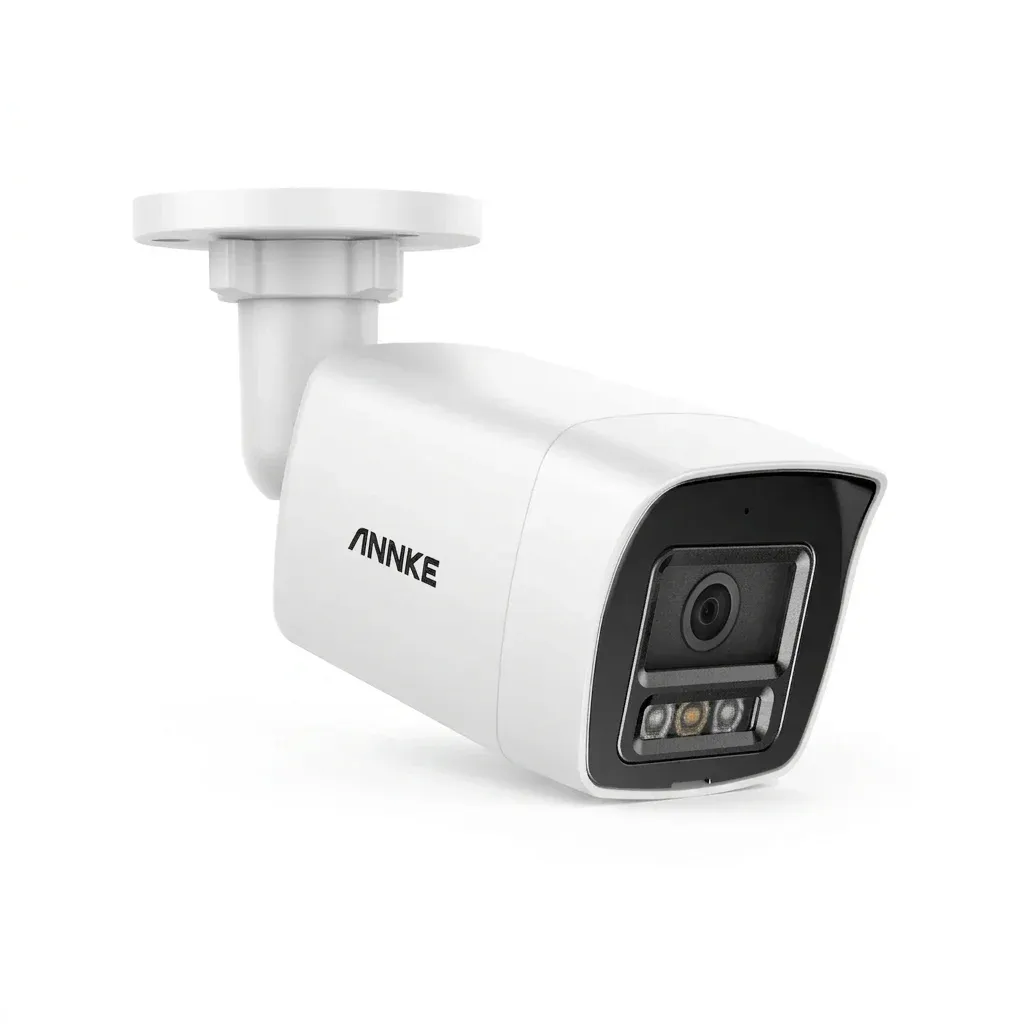
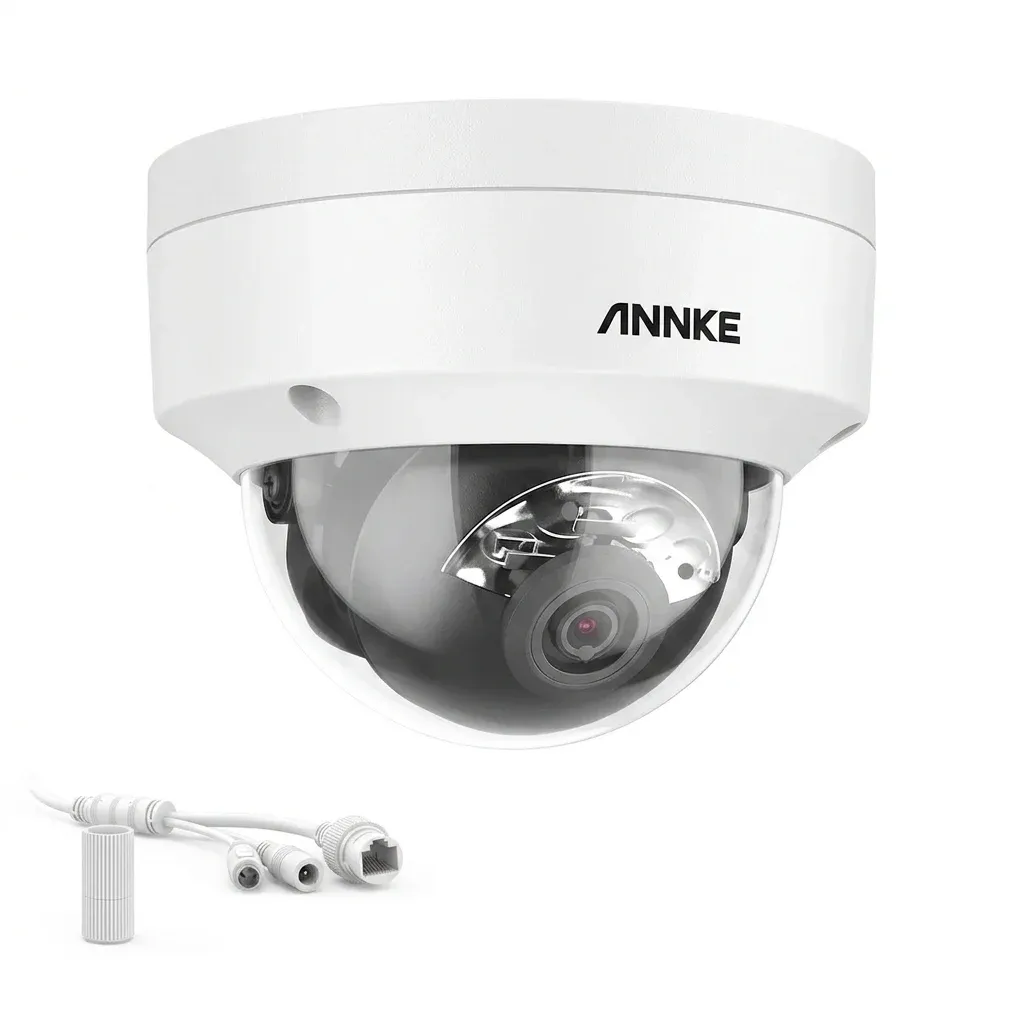

Dual-lens coverage that reduces blind spots
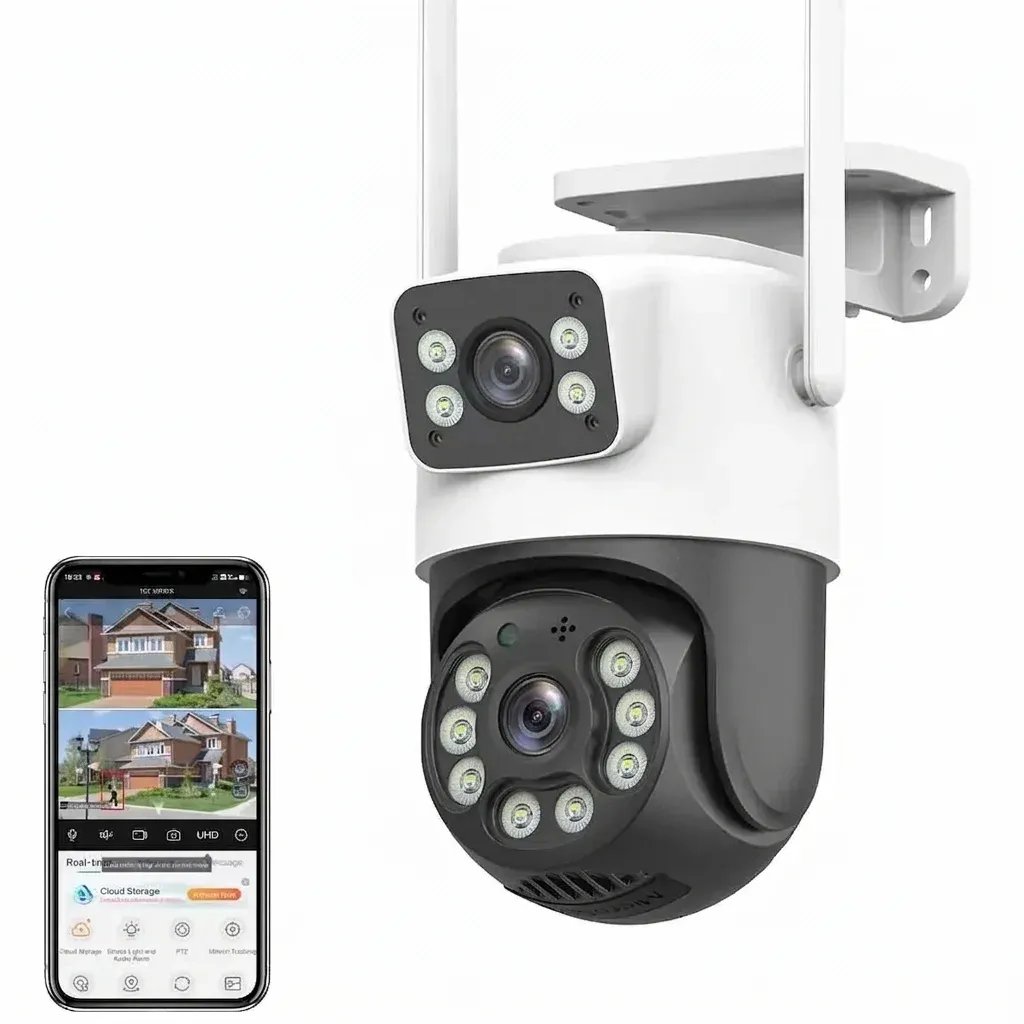
This camera solves a common security-camera problem: wide coverage often comes at the expense of detail, while close-up monitoring can leave edges unprotected. The dual-lens layout aims to balance both, giving you a broader scene while keeping important subjects easier to inspect.
For driveways, gates, and front yards, that matters because one lens can help preserve context while the zoomed view supports identification. It is a practical approach for users who want fewer gaps without moving to a more expensive multi-camera setup, so how does it perform in low light?
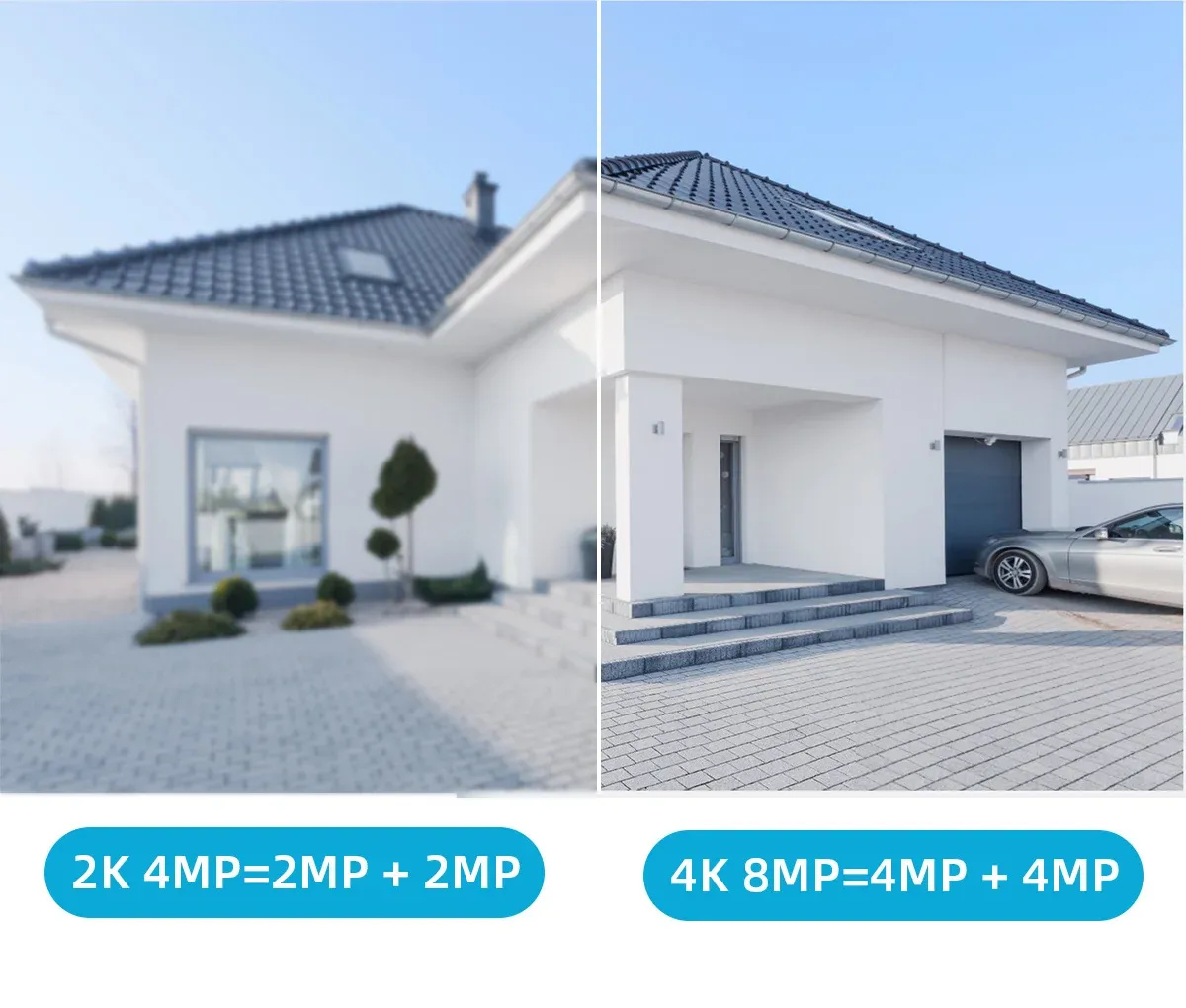
4K 8MP detail with 4X digital zoom
The 8MP sensor is the main reason this model stands out at this level, since it can capture finer shapes and text than basic 1080p units. In real use, that translates into clearer faces, vehicle outlines, and package activity when the subject stays within a reasonable distance.
The 4X digital zoom is best treated as a framing tool rather than true optical magnification, which means the image can lose some crispness when pushed hard. Still, for checking a doorway or narrowing in on motion after the fact, it adds useful flexibility that many budget WiFi cameras skip.
AI human detection that cuts down on noise
Motion detection is easy to overstate, but AI human detection is more useful because it helps separate people from shifting trees, rain, and passing shadows. That makes alerts more relevant, especially on a busy property where constant false triggers become annoying fast.
Users mention easy setup and solid person tracking, which fits the camera’s purpose as a simple outdoor monitor rather than a complicated professional system. If you want cleaner notifications without building a full NVR array, this is one of the more practical features in the A36B package, so what about night performance?
Color night vision and 10-meter IR for after-dark monitoring
The camera combines color night vision with an infrared range rated to 10 meters, giving you two ways to watch after sunset. Color footage helps with clothing and vehicle recognition, while IR is better when you need a steadier black-and-white image in darker corners.
That dual approach is helpful in mixed lighting, such as porch lights, streetlights, or a dim yard where full darkness is rare. The minimum illumination rating of 0.1 lux suggests it can keep working in very low ambient light, which is exactly where many low-cost cameras begin to struggle.
Weatherproof housing for outdoor installs
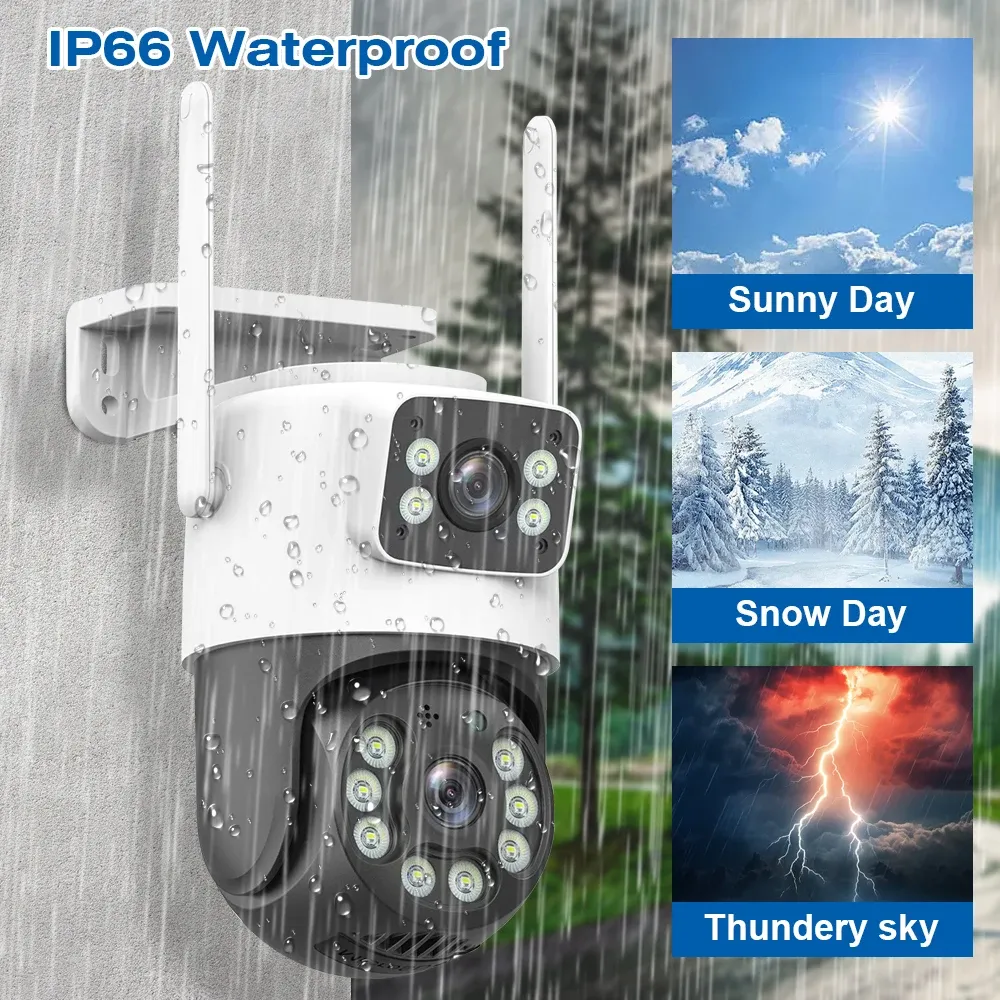
With IP66 protection and a weatherproof shell, this model is built for outdoor mounting rather than sheltered indoor use alone. It is designed to handle rain, dust, and seasonal swings between -10° and 60°C, which makes it suitable for porches, garages, and perimeter walls.
The plastic body keeps weight down and simplifies installation, though it will not feel as rugged as a metal-bodied camera. That trade-off is reasonable at this level, especially when the goal is easy mounting and low maintenance, but there is one practical limitation worth noting.
Wired power, 2.4GHz WiFi, and smart-home fit
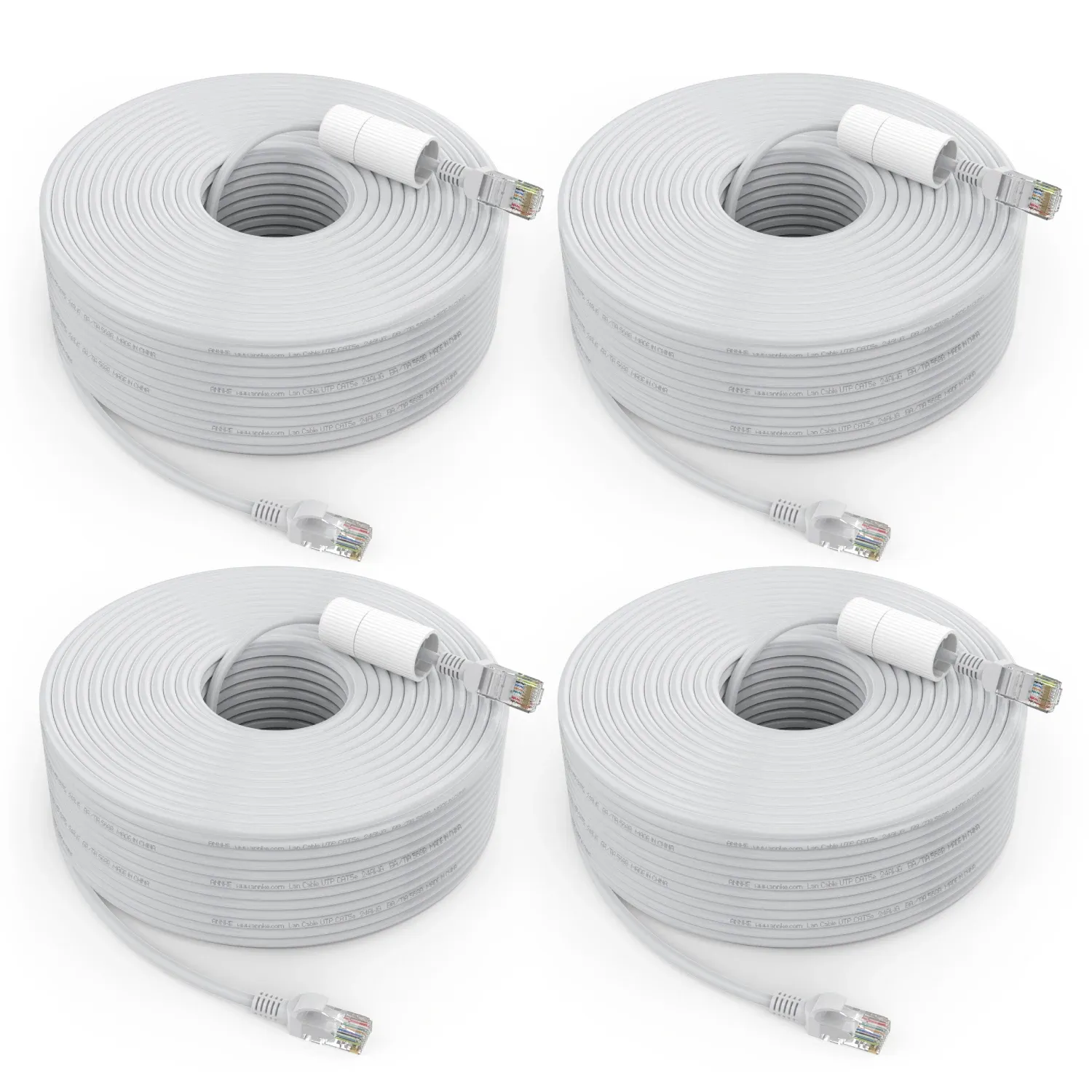
This camera uses mains power with a 12V supply, so it avoids battery charging but needs a nearby outlet and a tidy cable route. The 2.4GHz WiFi connection is standard for home security gear, and ONVIF support gives it a better chance of fitting into mixed surveillance setups.
Android, iOS, and Alexa support make it easier to check live video from a phone or voice-enabled home system, while H.265 compression helps reduce storage load on the network side. AliExpress United States readers looking for a low-cost outdoor PTZ camera will notice that the feature set is unusually broad for the asking level, so what should you keep in mind before choosing it?
Best fit and practical trade-offs
This camera makes the most sense for homeowners who want affordable perimeter coverage, package monitoring, or a simple gate watcher without moving into a multi-device system. Real customer feedback is broadly positive, with repeated praise for easy setup and tracking performance, while a few users mention the power cord length as the main annoyance.
The biggest trade-off is that the zoom is digital rather than optical, so the camera is strongest at monitoring and alerting, not forensic-level identification from long range. If your priority is a flexible, weather-ready WiFi camera with useful AI features, that compromise is easy to understand, and the remaining question is how much you can trust the hardware under daily use?