










Smarter recording for cameras that need less babysitting
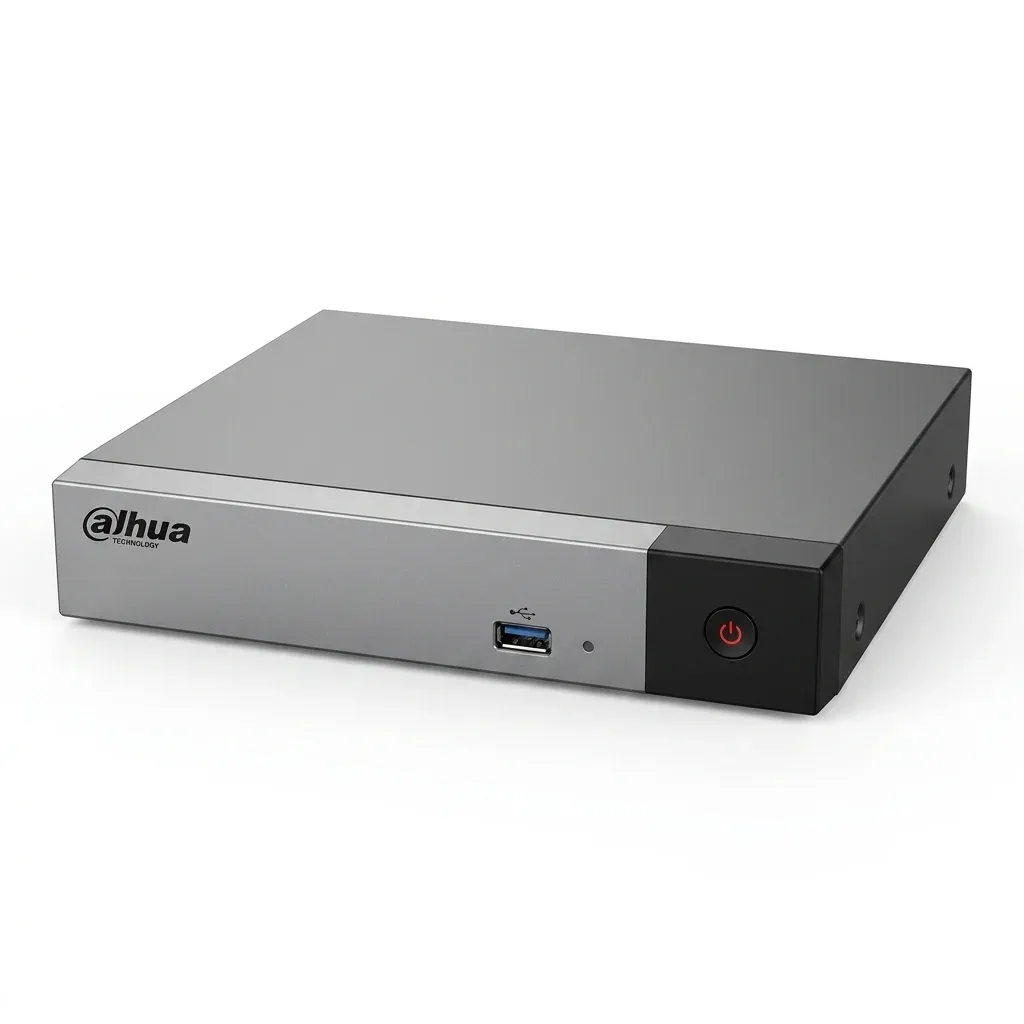
This NVR solves a common surveillance problem: too many clips, too many false alerts, and not enough time to sort them out. Dahua’s WizSense line is known for pushing basic recording into more practical AI-driven monitoring, which is why it stands out in the AliExpress security camera market.
Users looking for a dependable recorder rather than a feature-heavy gimmick will notice the difference quickly, especially when the system has to review motion events after hours. The real question is how much of that intelligence you can use in a home or small business setup?
Face detection and perimeter protection in daily use
The recorder’s AI tools are the main reason to consider it over a standard NVR. Face detection, face recognition, perimeter protection, and SMD Plus help filter out routine movement so the timeline is easier to scan when something actually matters.
That matters in places like storefronts, garages, warehouses, and entryways where wind, shadows, and passing cars can flood a weaker system with noise. According to users, the upgraded behavior feels like a real step up from older Dahua recorders, so what does that mean for storage and search?
4K channels without wasting storage

With H.265 support, this recorder is designed to keep 4K footage efficient instead of bloating the hard drive too quickly. The single 3.5-inch SATA drive bay keeps the system simple, and the 1HDD layout suits installations where one large surveillance disk is enough.
For small and medium systems, that balance is useful: you get high-detail playback without turning maintenance into a chore. If you already run cameras with good low-light performance, the recorder’s compression and indexing can make long-term review much easier, but how well does it fit into mixed camera setups?
Works best as a central hub, not a plug-and-play bundle
This model uses network connectivity rather than built-in PoE, so it is better suited to users who already have a switch, injector, or separate camera power plan. That makes it less convenient than an all-in-one PoE recorder, yet more flexible for existing Dahua or third-party IP camera networks.
It supports TCP/IP, DHCP, DDNS, UPnP, and mobile access on iPhone and Android, so remote viewing is straightforward once the network is configured. The dual HDMI-compatible and VGA outputs also make it easier to connect to older monitors or a dedicated security display, which is useful when the system lives in a control room rather than a desk setup.

Audio, backup, and compatibility details that matter later
Two-way audio and a 1-channel audio input give the recorder more practical range than many entry-level units, especially for front-door or reception use. The 1CH RCA audio output and local alarm action support a setup where live monitoring still feels hands-on instead of purely app-based.
It also supports Windows XP, Windows 7, and macOS access, which is unusual enough to help older workstations stay in service. Real customer feedback is limited but mostly positive, with comments pointing to safe packaging and stronger capabilities than older Dahua NVRs, so the next step is deciding whether the feature set matches your camera plan.
Best fit for existing Dahua ecosystems
This recorder makes the most sense if you already use Dahua cameras or want a recorder that can grow with a small property. It is not the simplest choice for a first-time buyer who wants PoE ports built in, but it is a capable core for users who value AI search, stable network recording, and clean event review.