











Compact power for detail work, not heavy shop tasks
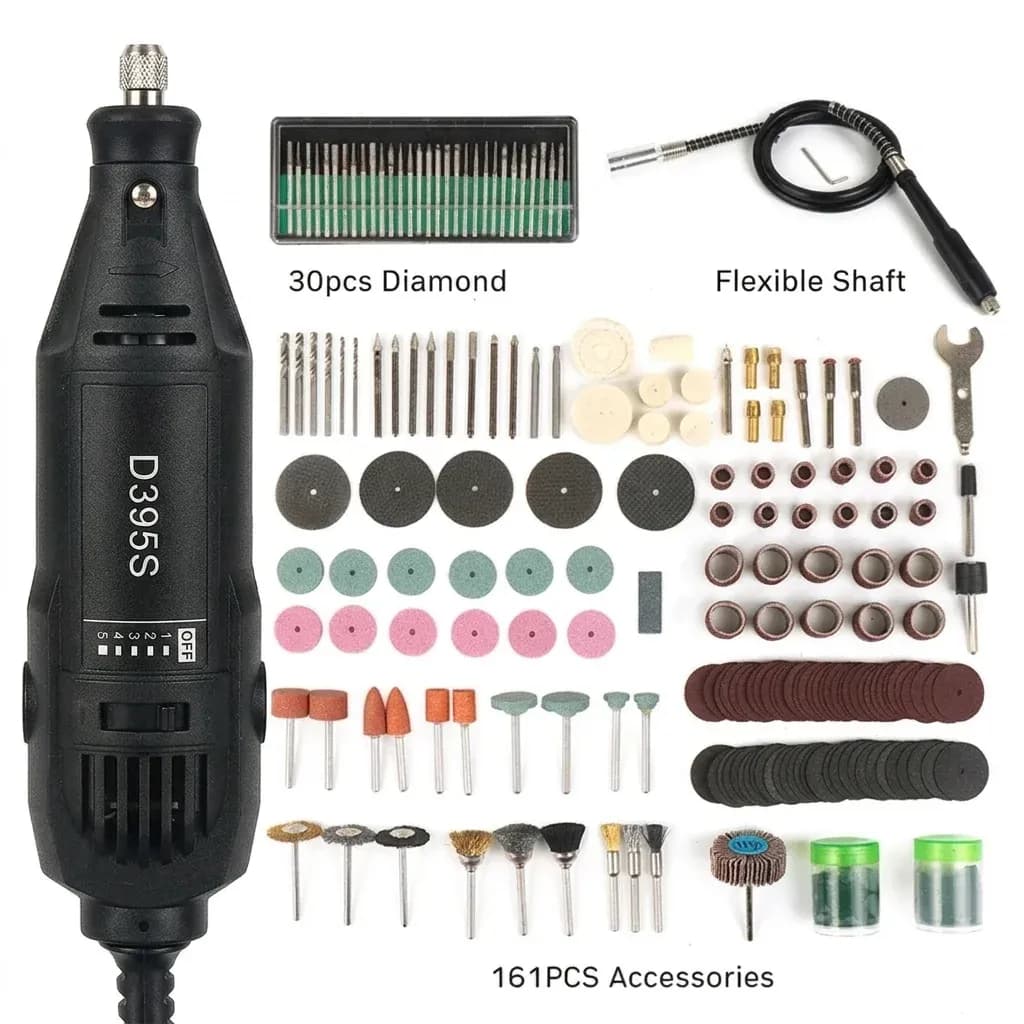
The D395S solves a familiar DIY problem: you need a tool that can carve, polish, and drill small materials without dragging out a full-size grinder. Its 130W motor and 30,000 rpm no-load speed give it enough speed for fine control, while the 0.8 kg body stays light in the hand.
That balance makes it more practical than many oversized rotary tools for jewelry repair, model work, and home craft projects. If your work is mostly precise rather than aggressive, the shape and weight matter as much as raw speed, so how does it behave when you start changing accessories?
What the 3.2 mm chuck range means in daily use
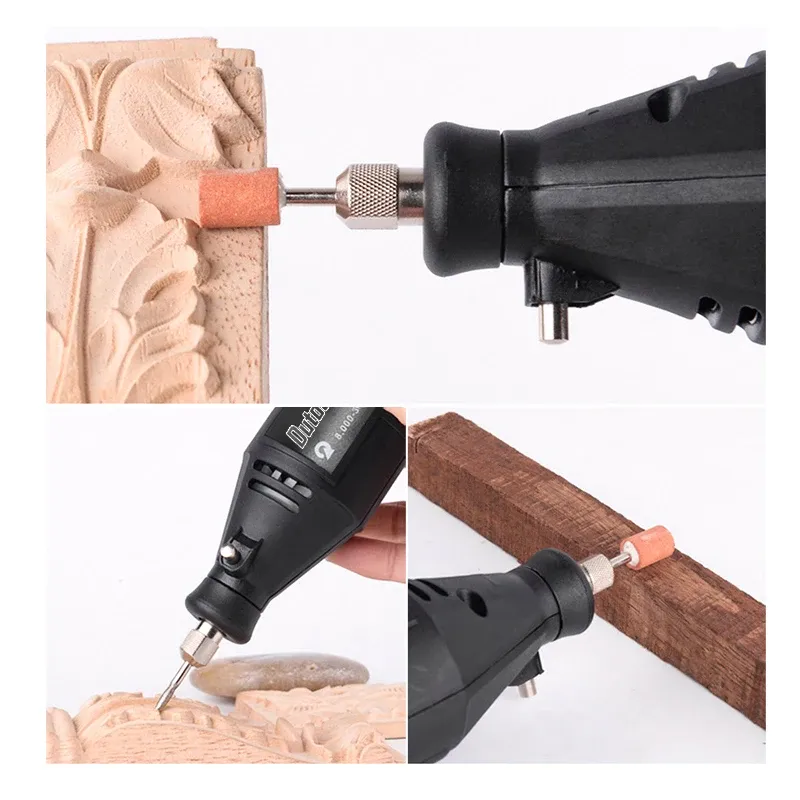
The chuck accepts bits from 0.5 mm to 3.2 mm, which covers most engraving, polishing, and small drilling accessories used in hobby kits. That range is especially useful for users who switch between carving tips, sanding drums, and polishing points on the same project.
In practice, this means less time hunting for a second tool and more time finishing the job cleanly. The limitation is clear too: this is a mini drill, so it is best for detailed material removal rather than larger holes or deep cutting, which brings us to the motor behavior.
How the 130W copper-core motor changes the feel
The product description states a copper-core motor, and that usually translates into steadier operation and better heat handling than the weakest entry-level units. Users also report good durability, which aligns with a tool designed for repeated home DIY sessions rather than occasional novelty use.
Because it is corded AC power, you get consistent output instead of waiting on a battery to fade mid-task. That makes it a better match for bench work, especially when you want stable speed through polishing or carving, but what should you expect from the included accessory bundle?
Why the 161-piece kit matters more than the headline speed
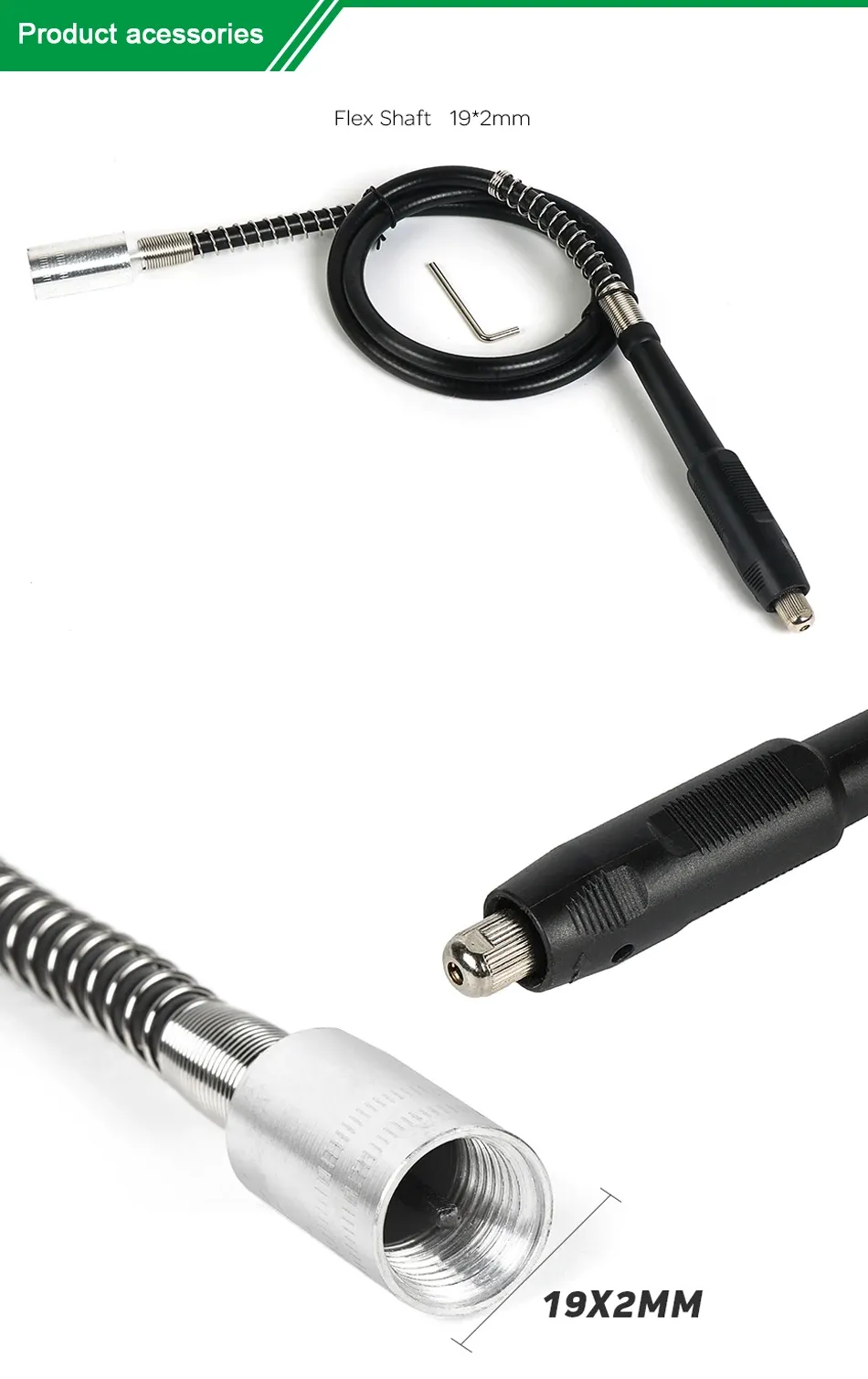
The accessory count is where this listing becomes more useful than a bare tool. A large kit reduces the need to source collets, grinding bits, and polishing heads separately, which is helpful for first-time rotary-tool users building a workshop on a budget.
For AliExpress shoppers, that bundled approach is often the real value driver because it shortens the setup path from unboxing to first project. One user noted that it arrived well packed, while another praised the quality and durability, so the package seems to match the tool’s practical intent, but there are still a few trade-offs to consider.
Best uses for wood, glass, jade, and light metal work
This tool is aimed at home DIY tasks like cutting, drilling, grinding, polishing, and sculpture on materials such as wood, glass, jade, agate, and light metal. That range makes it a versatile bench companion for crafters, repair hobbyists, and anyone restoring small decorative items.
It is less convincing for users who want cordless convenience or a machine for heavy-duty drilling, since the rated voltage is 220V and the design is clearly built around plugged-in work. If your projects happen at a desk, workbench, or craft station, the next question is whether the compromises are acceptable.
Where this rotary tool feels strong, and where it stops
The strongest case for the D395S is simple: it offers broad accessory compatibility, steady corded output, and enough speed for detailed finishing work. The CE certification and lack of high-concern chemicals also support its appeal for routine home use.
Its weak spots are equally straightforward, including the absence of a battery, the 220V-only rating, and no included storage box according to users. Still, for shoppers who want a compact rotary tool that behaves like a workshop staple instead of a toy, the package is more capable than the modest asking figure suggests.