








Modern phone integration without replacing the factory screen
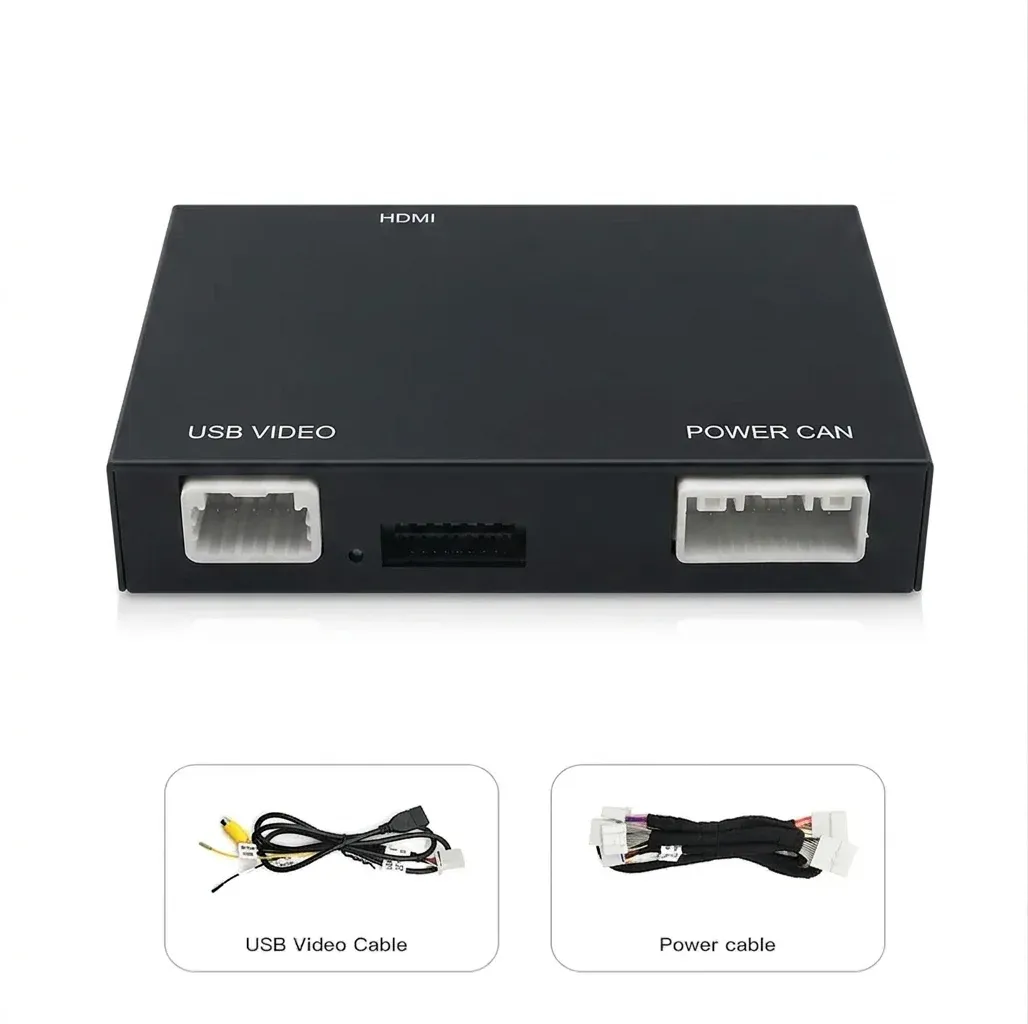
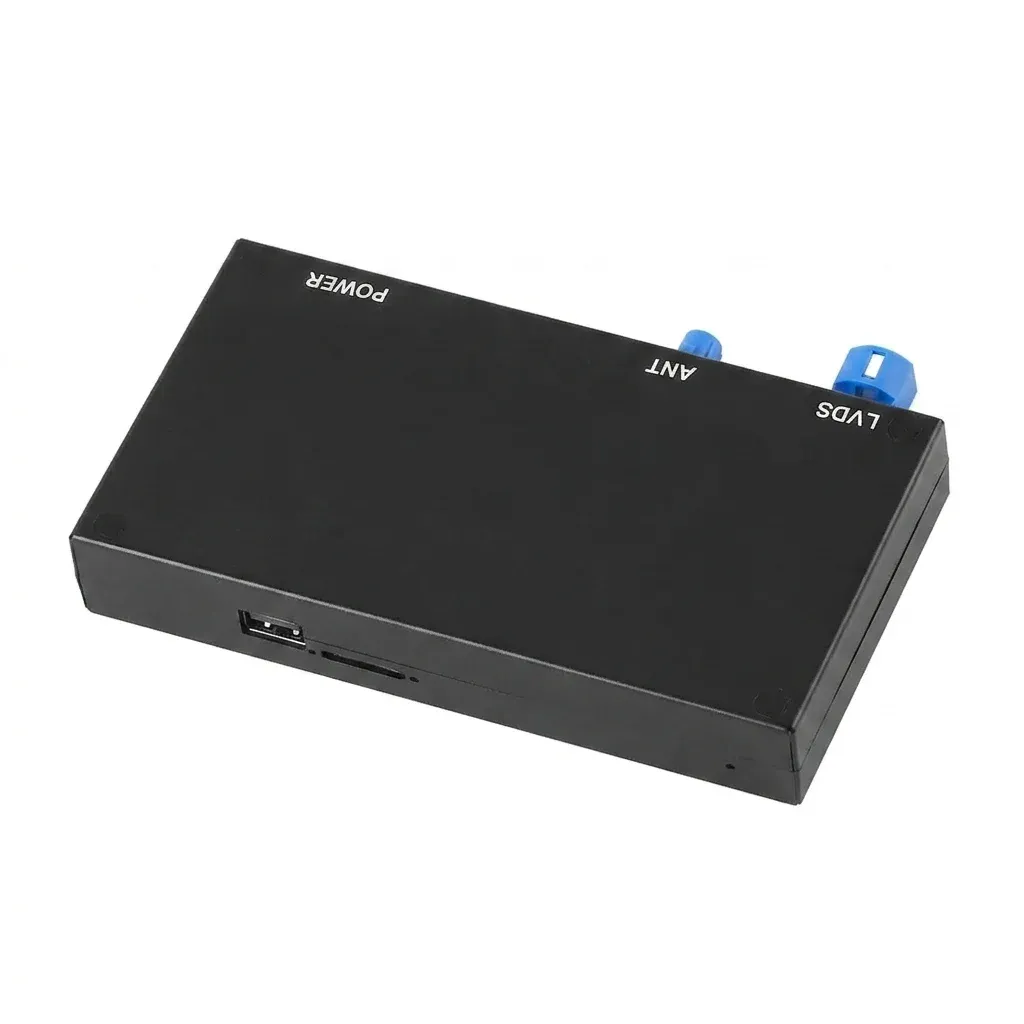
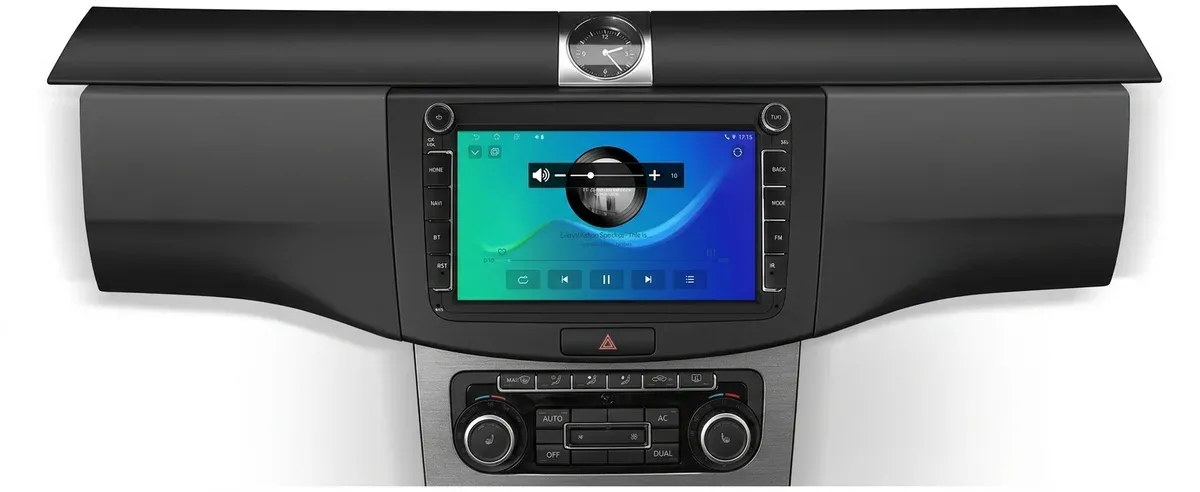
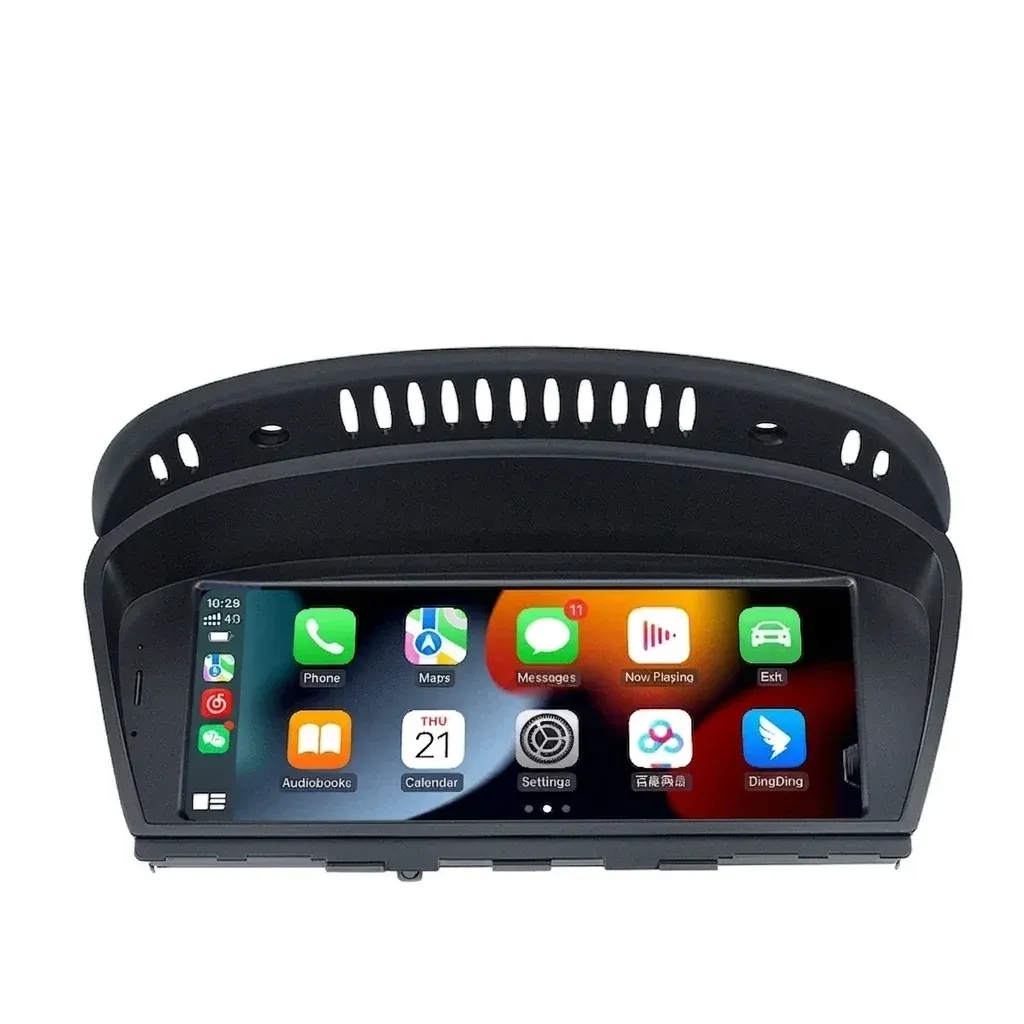
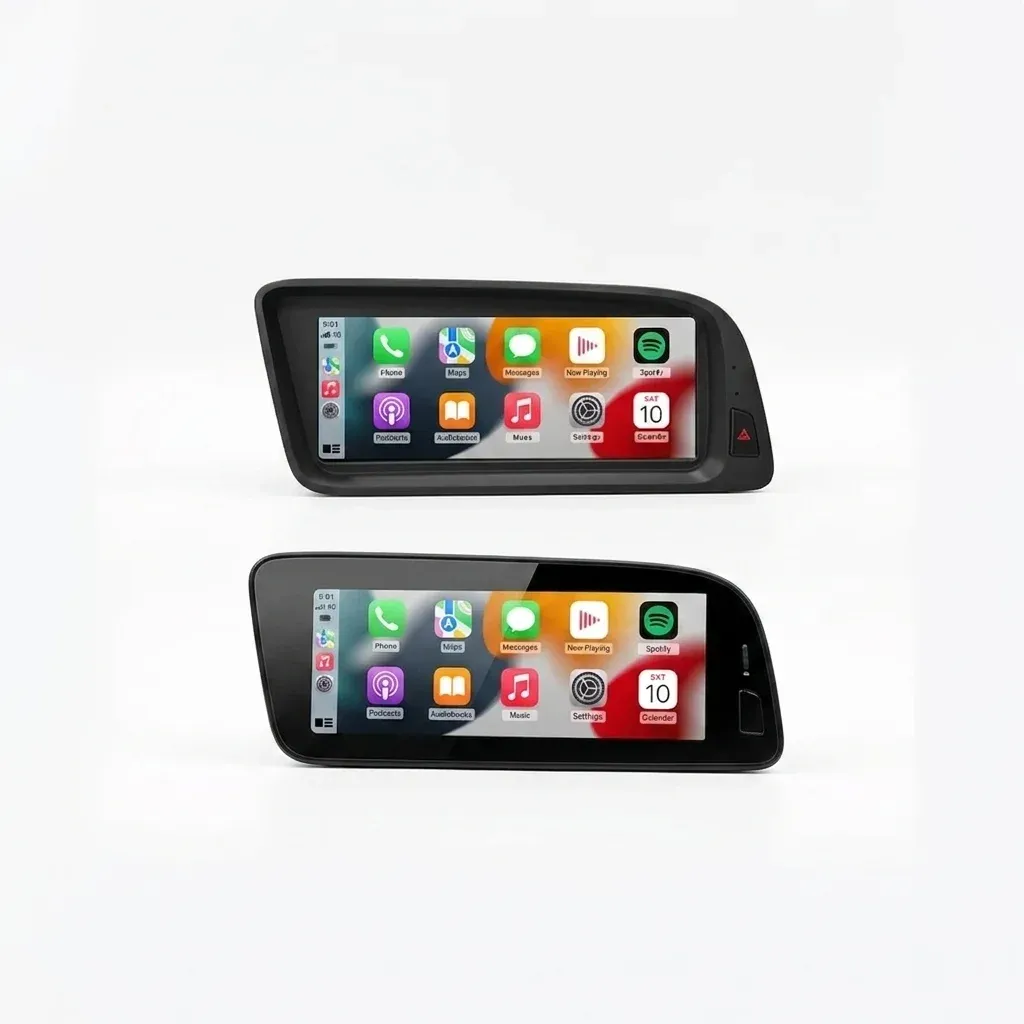
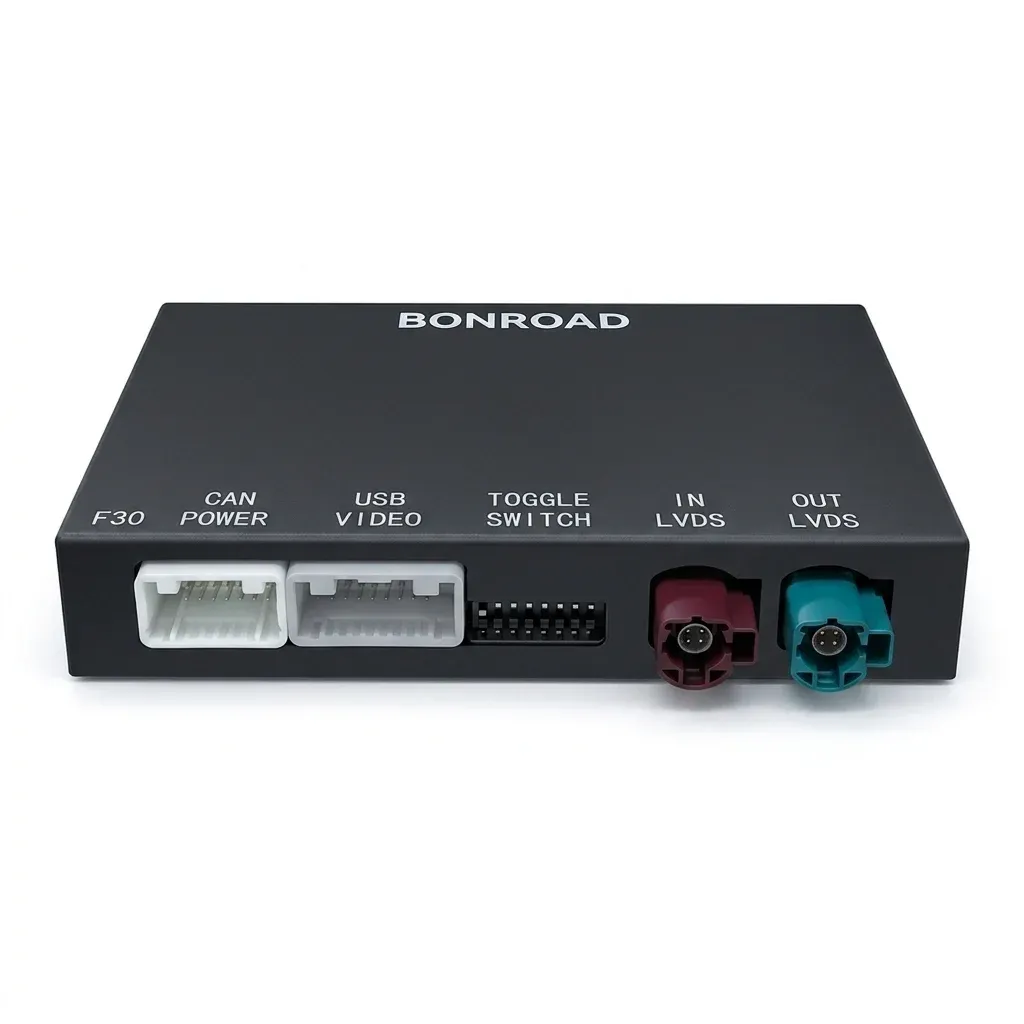
This module solves a familiar problem for Toyota owners: the original infotainment system still works, but it feels dated the moment you compare it with wireless phone mirroring. BONROAD positions this unit as a retrofit interface rather than a new display, so the cabin keeps its stock look while gaining the convenience of CarPlay and Android Auto.
That approach matters in the AliExpress Car Accessories niche because many drivers want a cleaner upgrade path than a full head-unit swap. The fact that the brand is known for vehicle-specific retrofit hardware gives this listing more credibility than generic universal boxes, so the real question is how well it fits Toyota’s factory ecosystem?
What the decoder box changes in daily driving
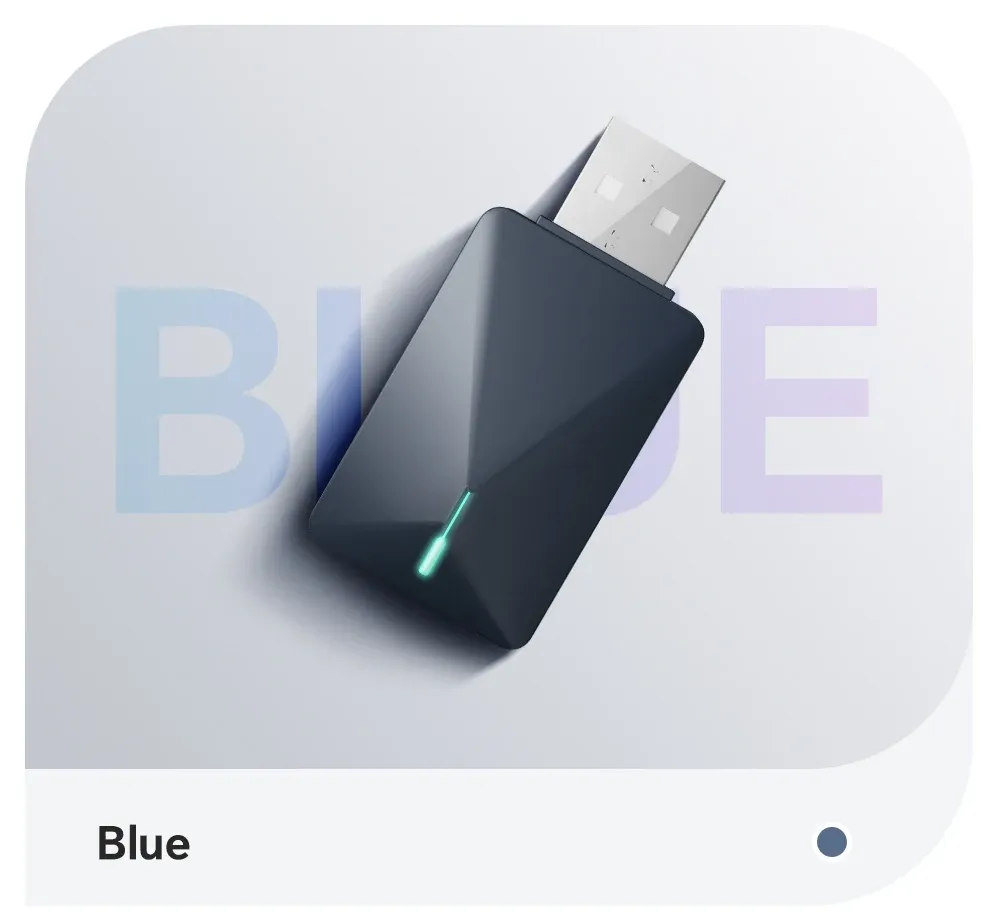
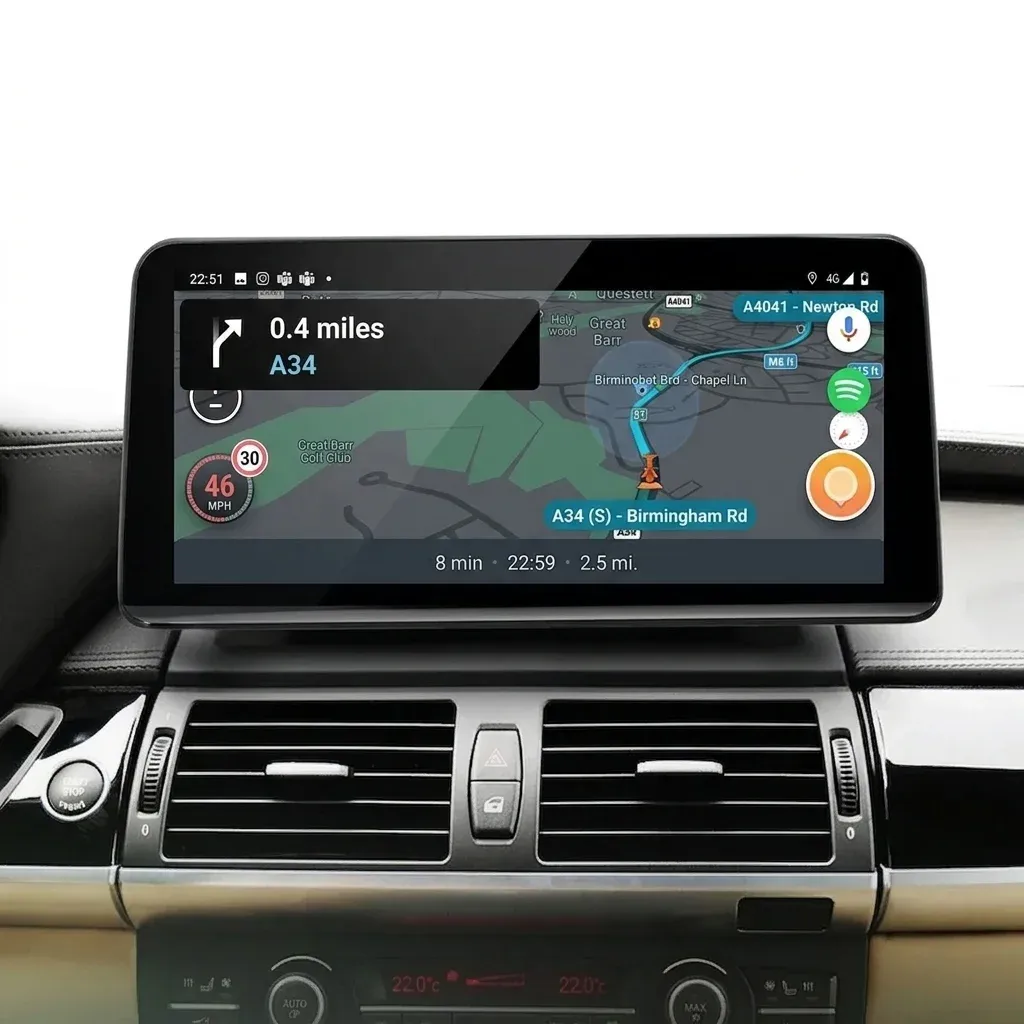
In practice, the benefit is less about flashy specs and more about reducing friction every time you start the car. Wireless connection means maps, calls, and playlists can appear on the factory screen without tethering your phone, which is especially useful on short commutes and repeated errands.
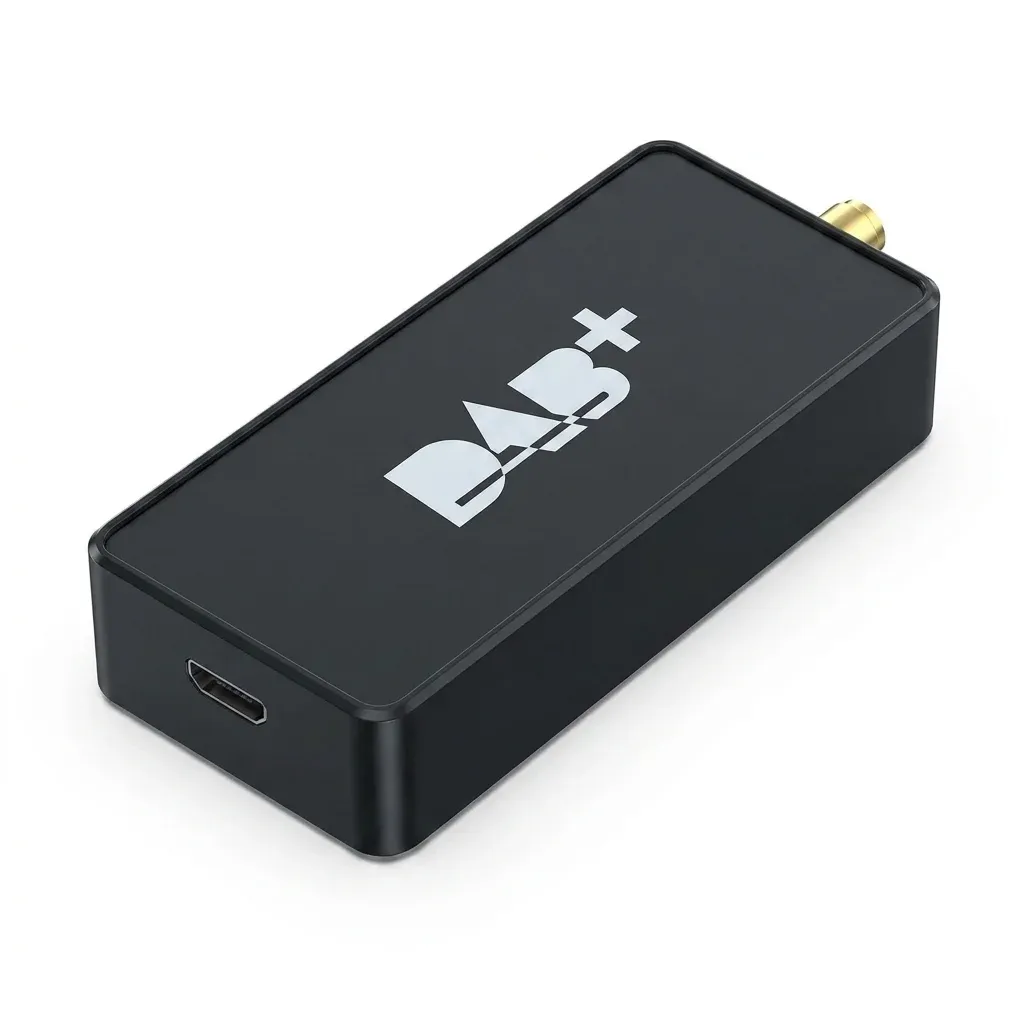
Users only need to think about one important limitation: this is an interface decoder box, not a replacement screen. That distinction is useful because it preserves steering-wheel controls and the OEM dashboard feel, but it also means the visual experience is still tied to the original Toyota display, which leads to the next point.
Fitment is the real deciding factor
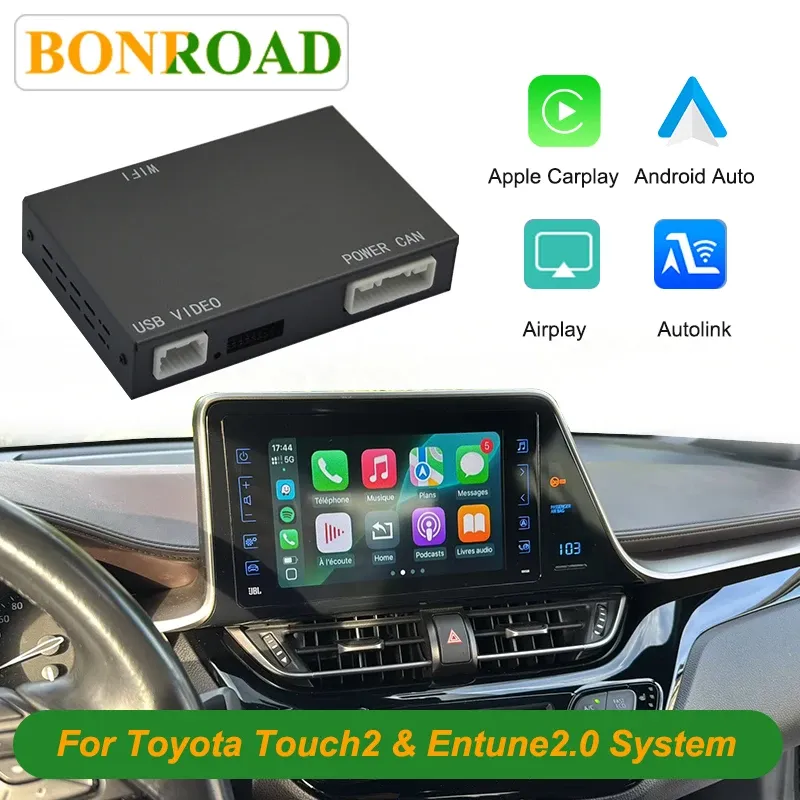
The compatibility list is broad, covering many Toyota models from Corolla and RAV4 to Highlander, Tacoma, and 4Runner, yet the fine print is where this product becomes serious. It requires specific factory systems such as Touch 2 and Entune 2.0, and several exclusions are called out, including certain screen variants, 360 camera setups, and some manual-gear configurations.
That level of specificity is a strength rather than a weakness, because retrofit modules usually fail when buyers assume “Toyota” is enough. If your vehicle matches the listed head unit and camera conditions, the installation path is far more predictable, and that predictability is what separates a smart upgrade from a frustrating one?
Installation realities and why they matter
The listing clearly states that installation fees are not included, which is the kind of detail serious buyers should notice before ordering. For drivers without retrofit experience, a professional installer is the safer route because decoder boxes often depend on hidden settings and careful cable routing behind the dash.
This is the kind of product where a neat install affects both appearance and reliability. A clean harness fit can keep the cabin quiet and rattle-free, while a rushed job may create avoidable issues with camera support or menu behavior, so preparation is part of the value here.
How it compares with a full head-unit swap
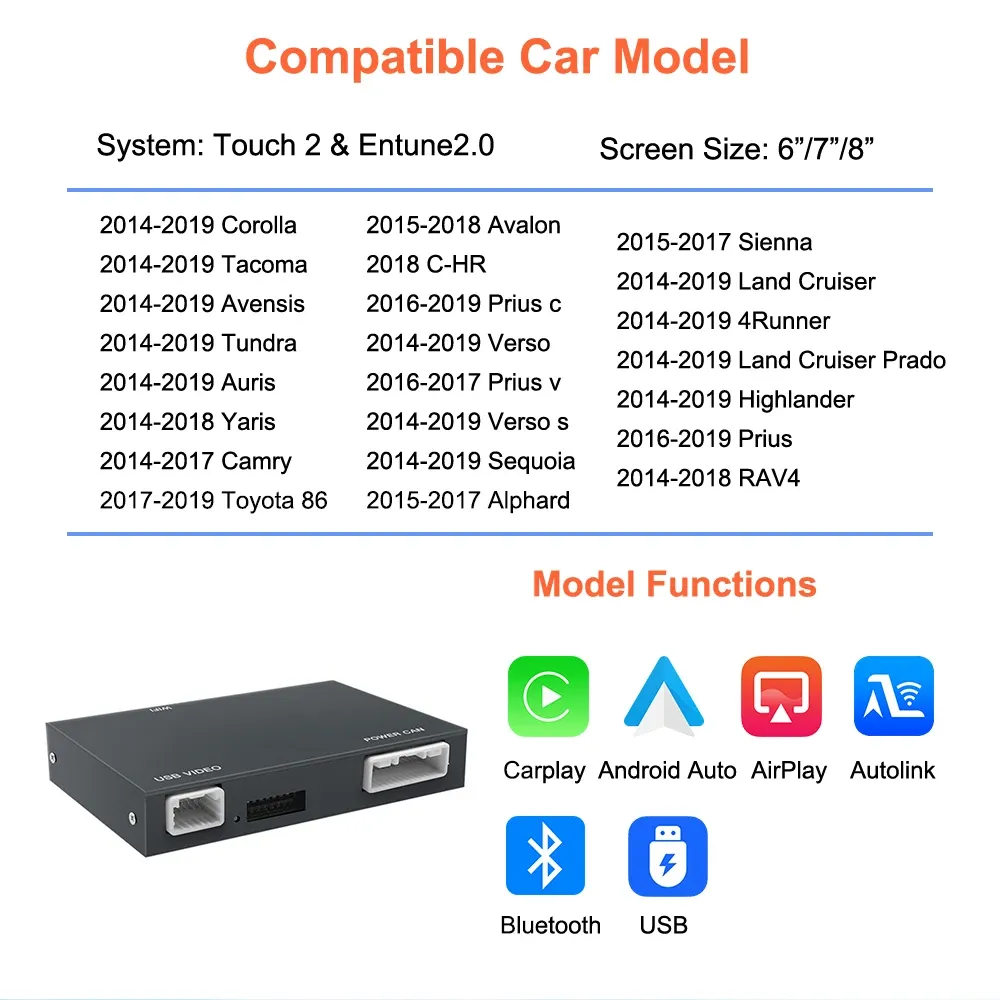
Compared with a complete aftermarket stereo, this BONROAD module is the more conservative choice. It keeps the factory interface intact, which can be preferable for owners who like OEM button feel, original trim, and a dashboard that still looks factory-correct.
The trade-off is flexibility, because a full replacement screen usually offers more control over display size and interface design. For Toyota owners who care more about seamless phone access than a dramatic interior redesign, this retrofit format is often the better-balanced option.
Early customer signal and what it suggests
The current review data is limited, but the available rating is perfect, which suggests at least one buyer received a result worth recommending. That is not enough to call it universally proven, yet it does hint that the product can deliver when the vehicle match and installation are both correct.
For a category as compatibility-sensitive as Toyota retrofit electronics, that matters more than broad hype. The strongest takeaway is that BONROAD is selling a focused solution for a narrow fitment window, and that focus is exactly what shoppers should verify before moving forward.