










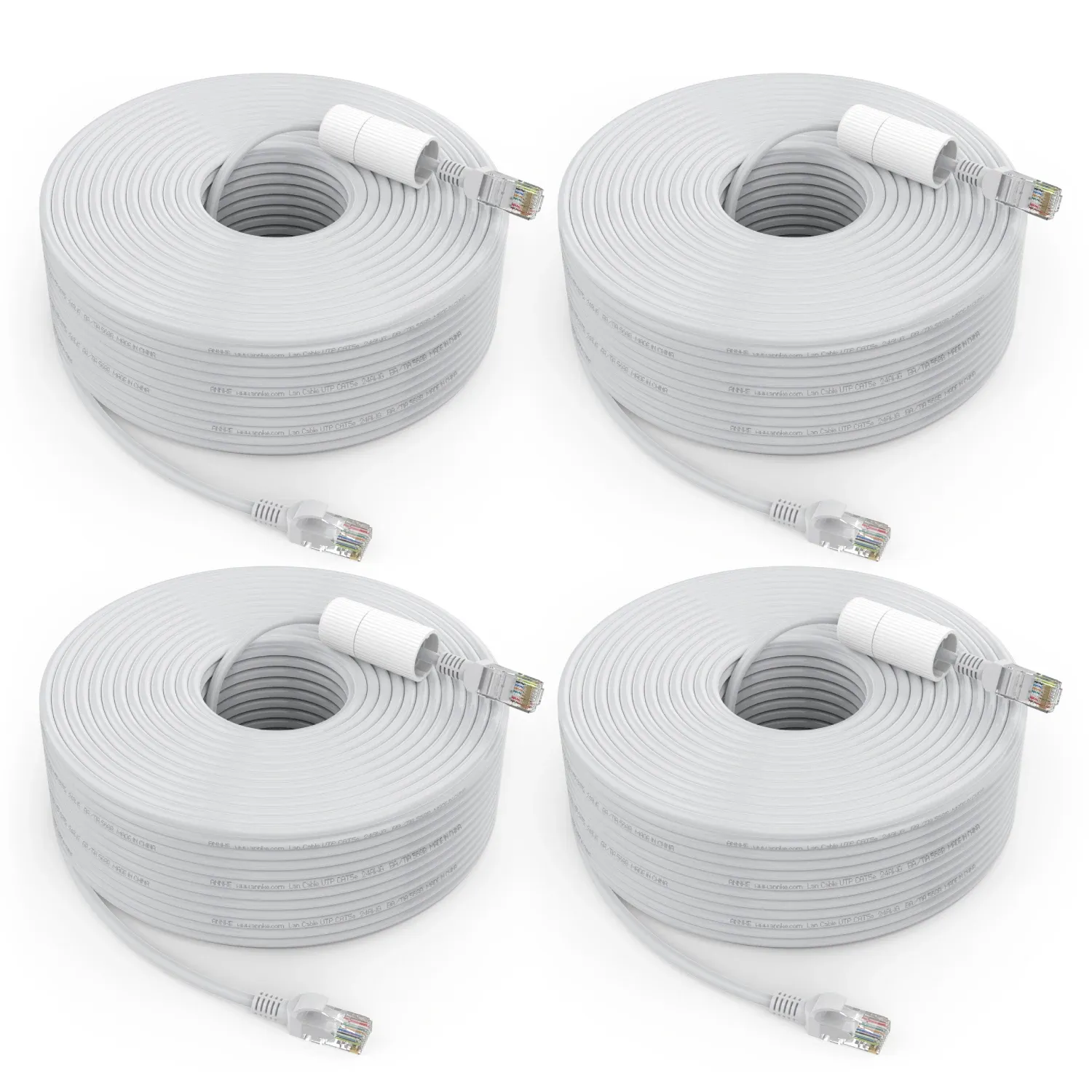
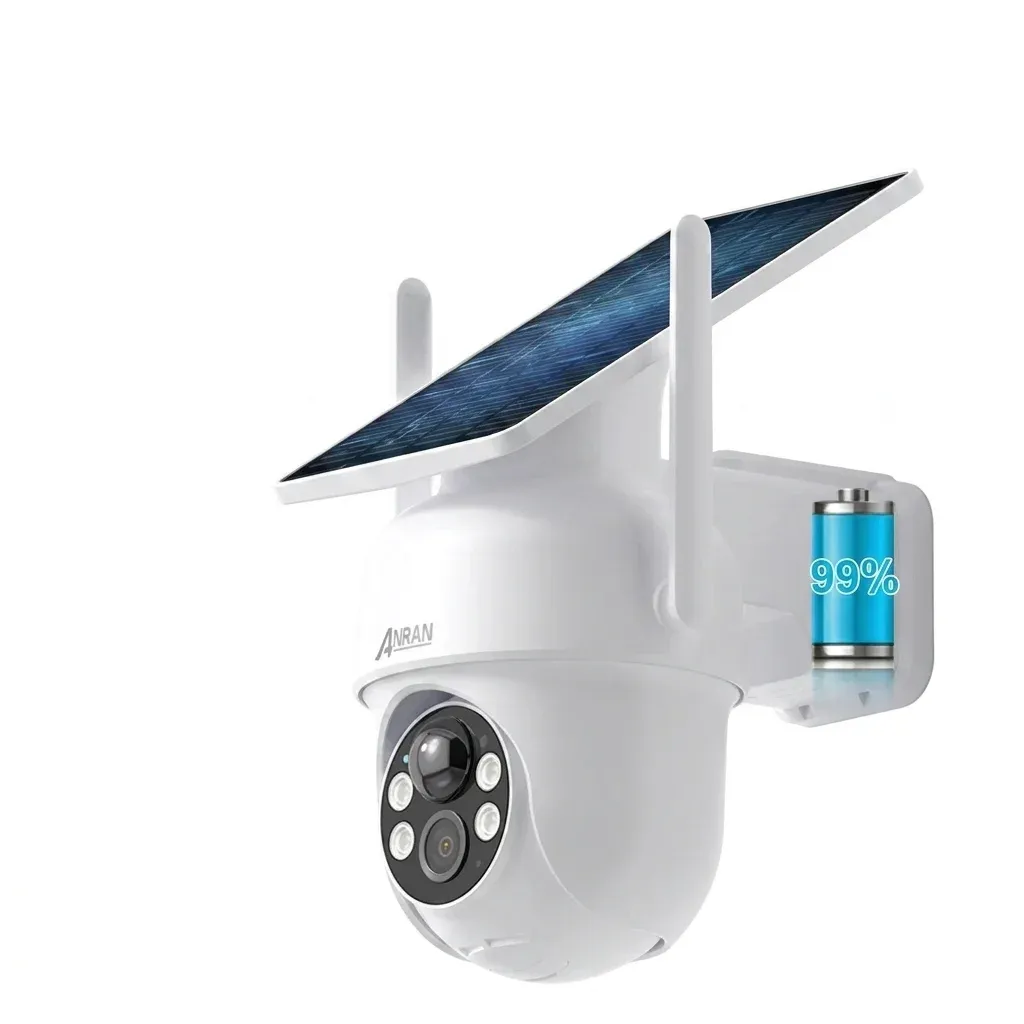
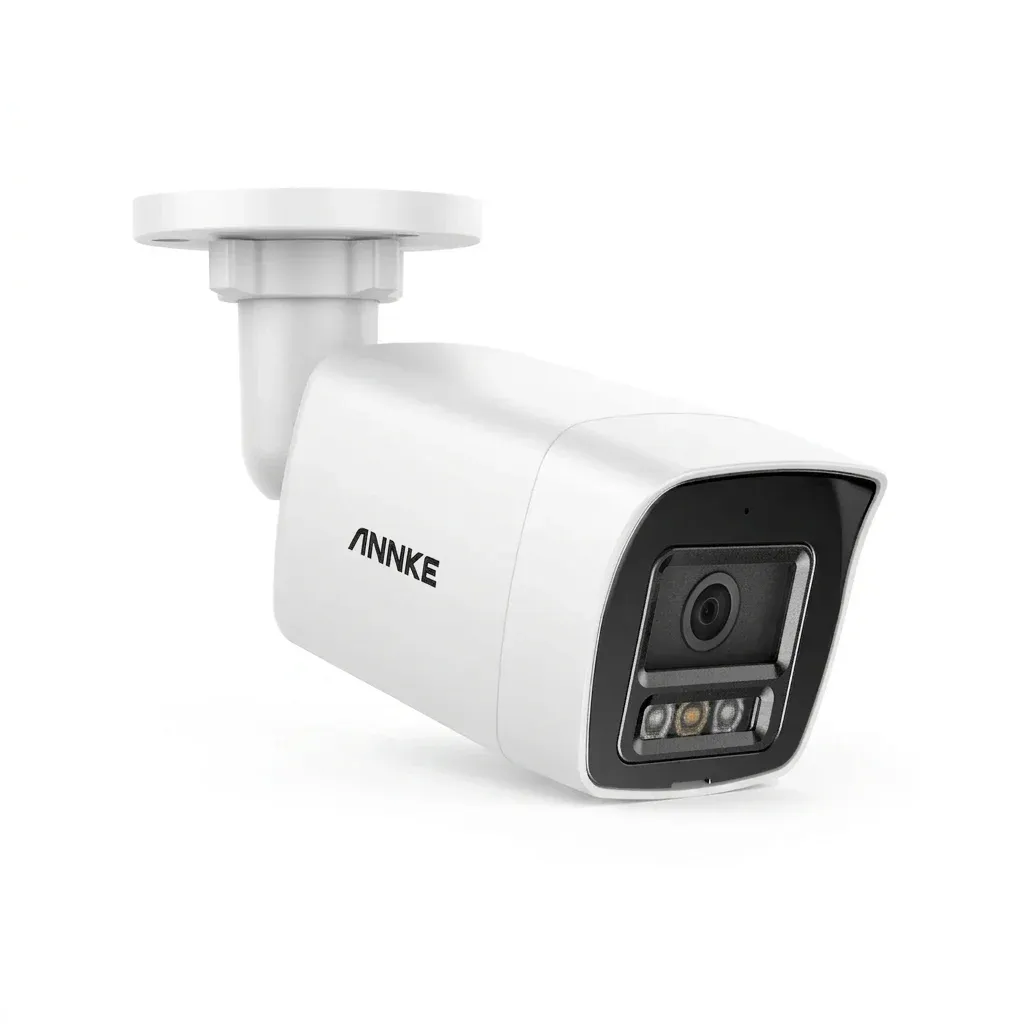
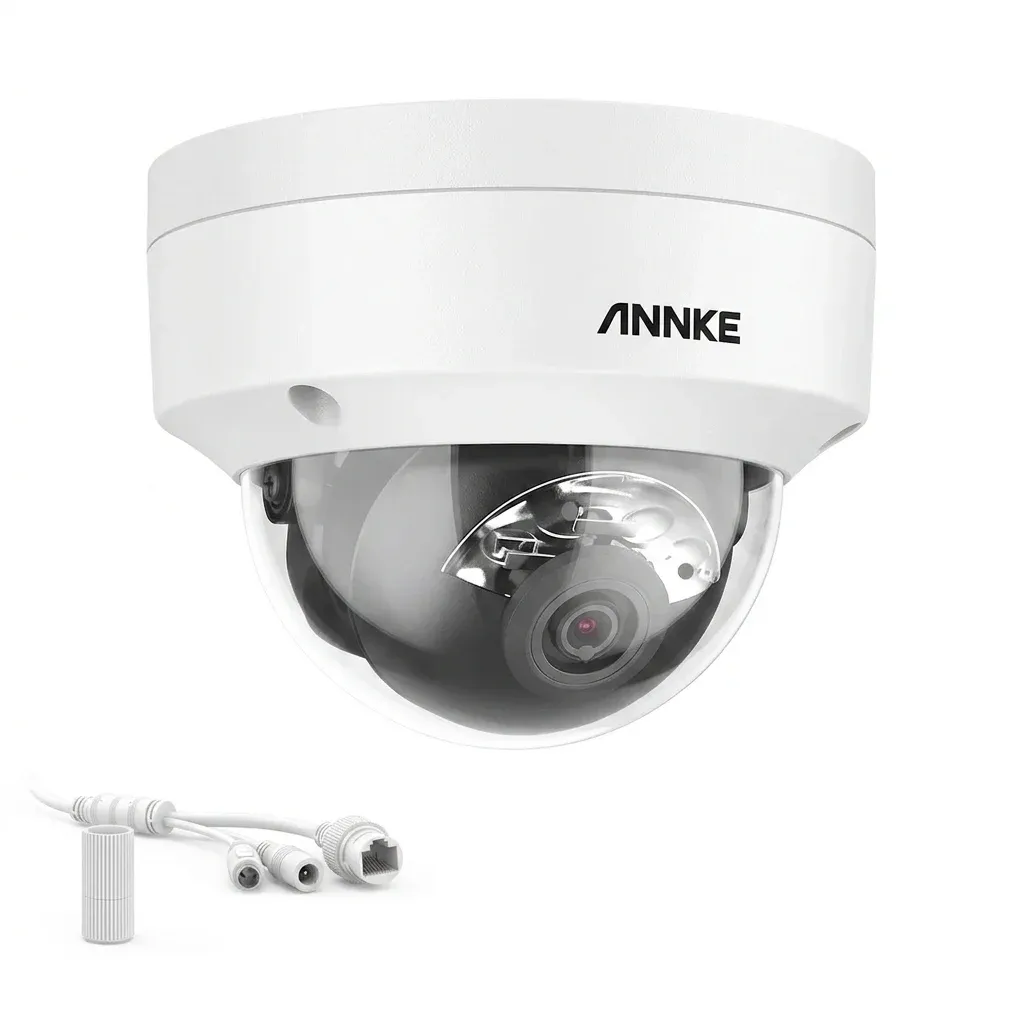

PoE recording that cuts cable clutter
This ANNKE recorder solves a common surveillance headache: too many power adapters and too much wiring around the network rack. With 8 PoE ports built in, it can power and connect compatible IP cameras through a single RJ45 line per camera, which keeps installation cleaner and easier to scale.
That setup is especially useful for homes, small offices, and retail counters where a tidy layout matters as much as coverage. If you are moving from a mixed analog setup or a basic Wi-Fi camera bundle, this is the kind of NVR that makes the system feel more organized from day one.
12MP support changes what you can actually see
The headline feature is 12MP live view, recording, and playback support, which gives the system room for sharper detail than older 1080p or 4MP recorders. In practice, that means faces, package labels, and vehicle details hold up better when you zoom into archived footage.
Users who left feedback often mention that the recorder works quickly once the hard drive is installed, and that the interface is intuitive enough for first-time setup. That matters because a high-resolution NVR is only useful if playback stays smooth when you need to review an incident, so what does the compression side bring to the table?
H.265+ compression helps storage stretch further
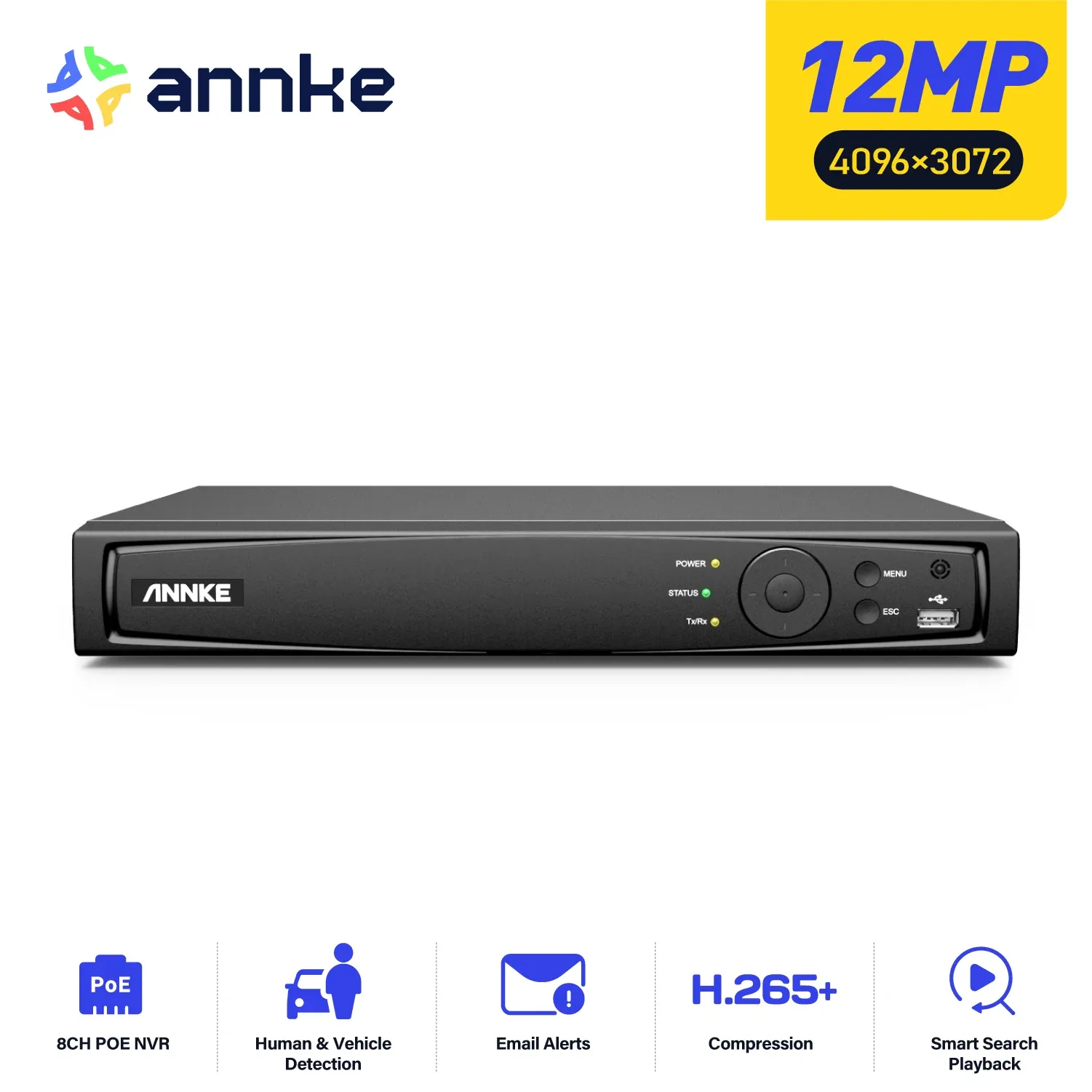
H.265+ is the feature that quietly improves the whole system, because it reduces file size without forcing you to give up modern resolution. Compared with older H.264-only recorders, this can mean longer retention on the same SATA hard drive, which is valuable if you want to keep more days of footage before overwriting.
The recorder also supports H.264, H.264+, and H.265, so it is flexible enough to work with a wider range of third-party IP cameras. That compatibility is one reason this model fits well in mixed-brand systems, especially when you are upgrading in stages rather than replacing everything at once.
Remote monitoring that fits daily use
ANNKE Vision support and mobile access on iPhone and Android make this NVR useful beyond the local monitor. You can check the feed, review recordings, and receive FTP photo, email photo, or local alarm alerts without being tied to the desk.
There is no two-way audio here, so it is not meant for talking through cameras or handling intercom-style tasks. What it does well is deliver straightforward monitoring with fewer distractions, which is often the better trade-off for users who care more about reliability than extra consumer features.
Where this recorder makes the most sense

This model is best for 8-camera installations that need a stable wired backbone and efficient storage management. It supports HDMI output up to 4K, so it can feed a modern monitor without making the footage feel cramped or dated.
According to customer feedback, delivery is often fast and the unit is praised for being straightforward once connected to an HDD. For readers of AliExpress United States comparing NVRs in this segment, the appeal is not flashy extras but a balanced feature set that feels closer to a practical security tool than a gadget.
Trade-offs worth knowing before setup
The recorder uses a 10/100M RJ45 network interface, which is fine for typical home and small-business surveillance but not ideal for users planning very heavy network traffic. It also uses a 3.5-inch SATA hard drive, so you will need to plan storage separately and make sure the drive is installed correctly before expecting recording to begin.
There is no wireless camera input path here, and the system is clearly designed around wired PoE deployment. That limitation is also what gives it its strength: once the cameras are in place, the setup tends to be more stable and less dependent on Wi-Fi quality, which is exactly where the next question usually leads.