








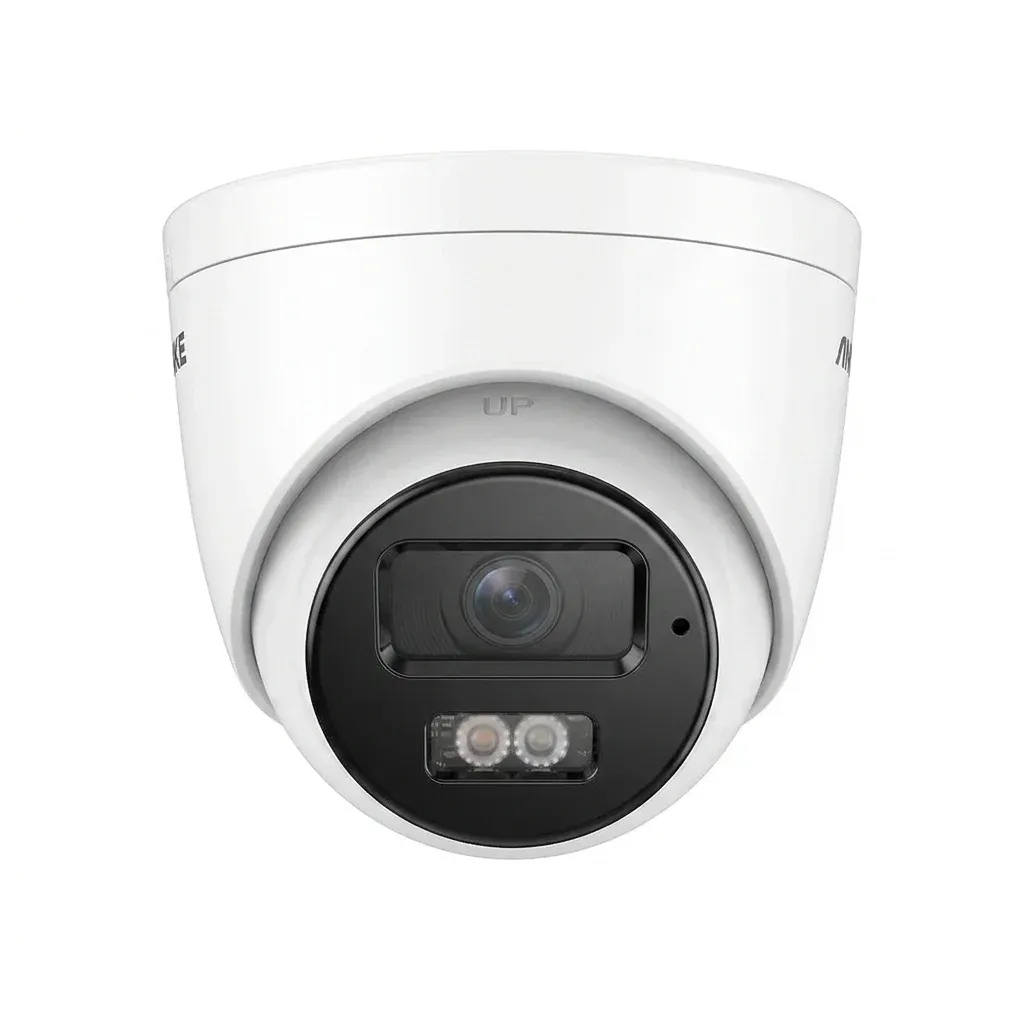

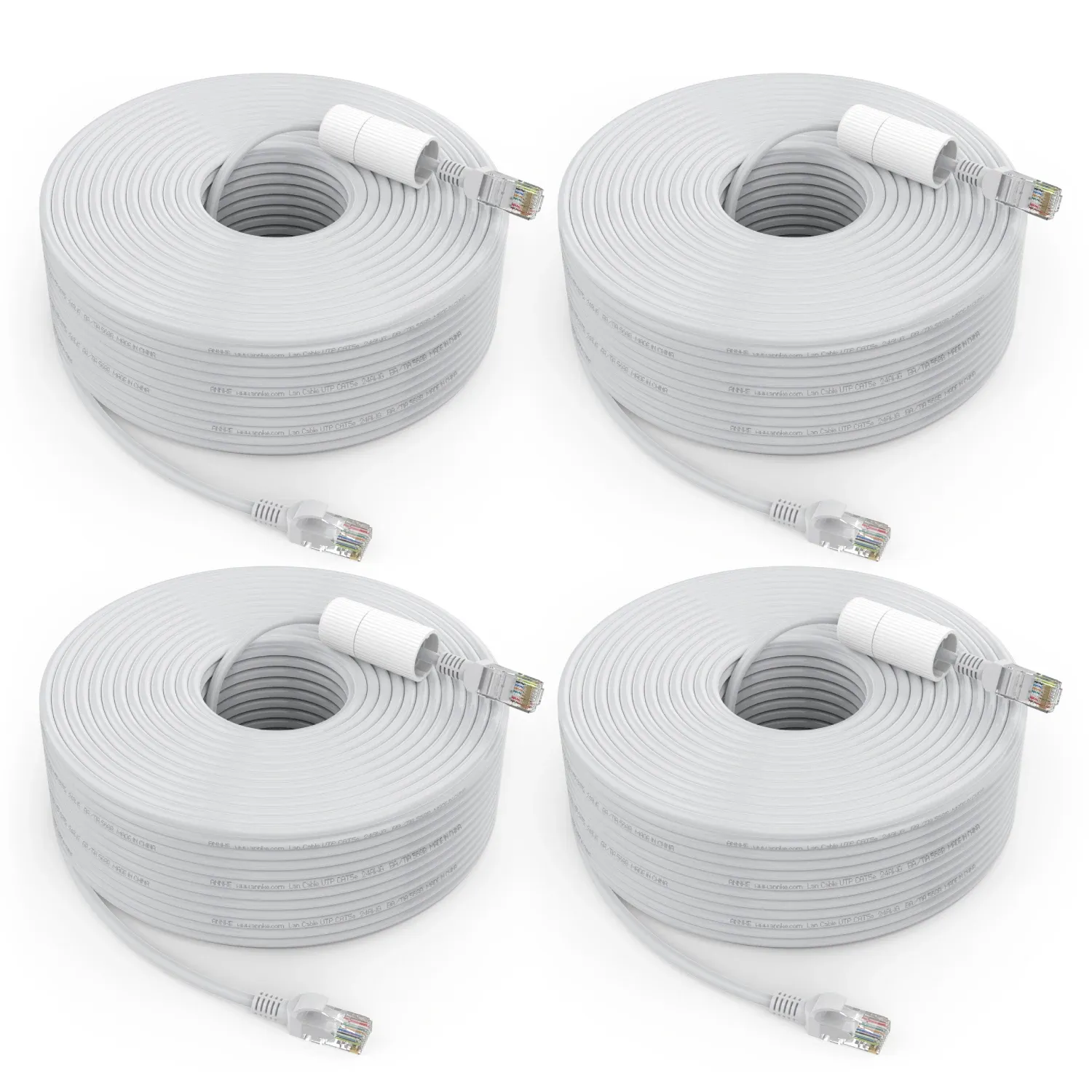
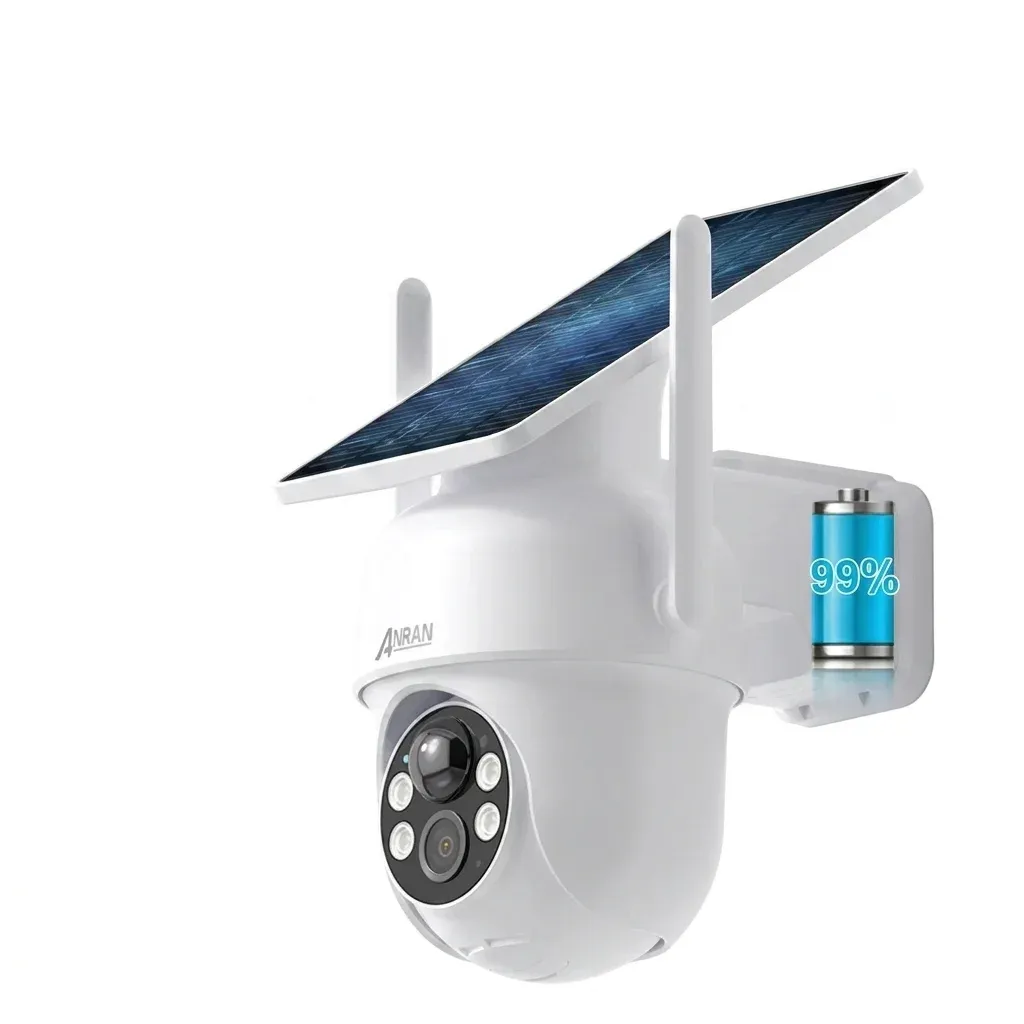
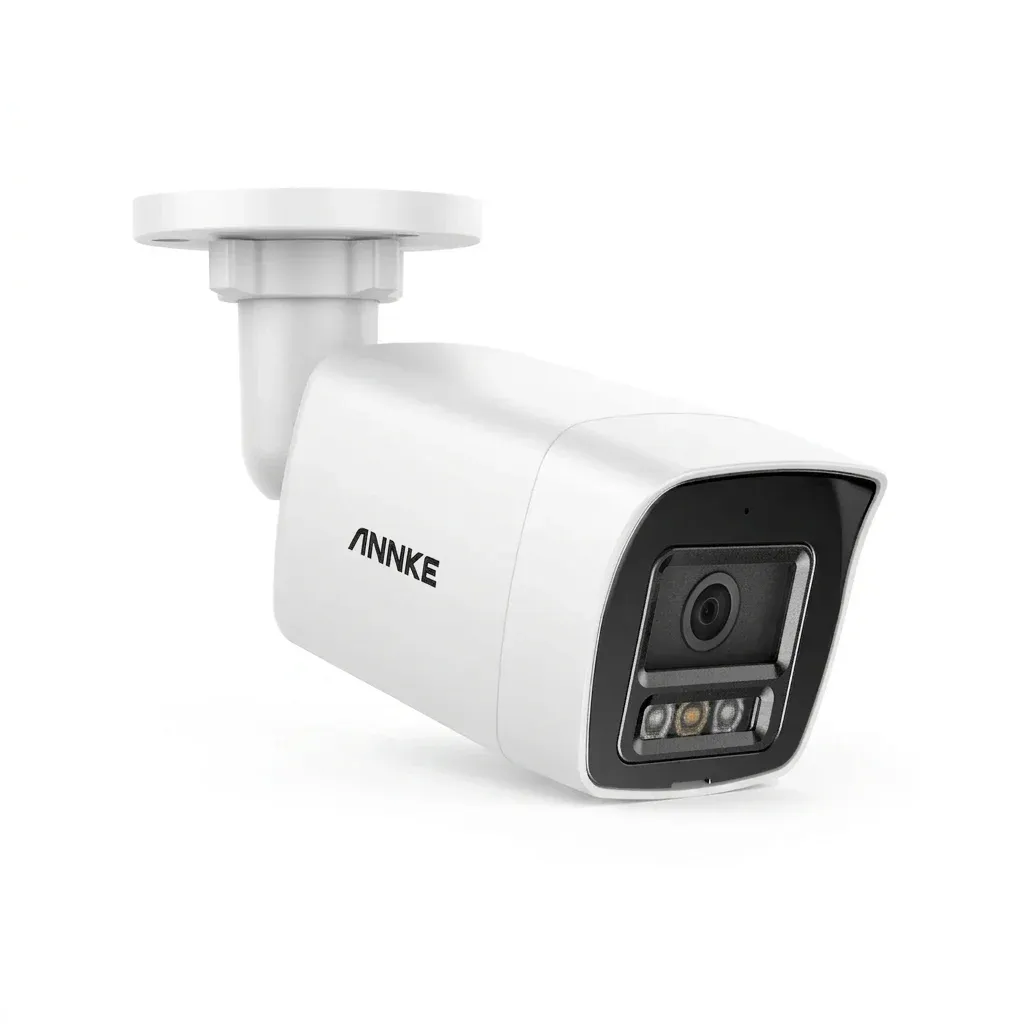
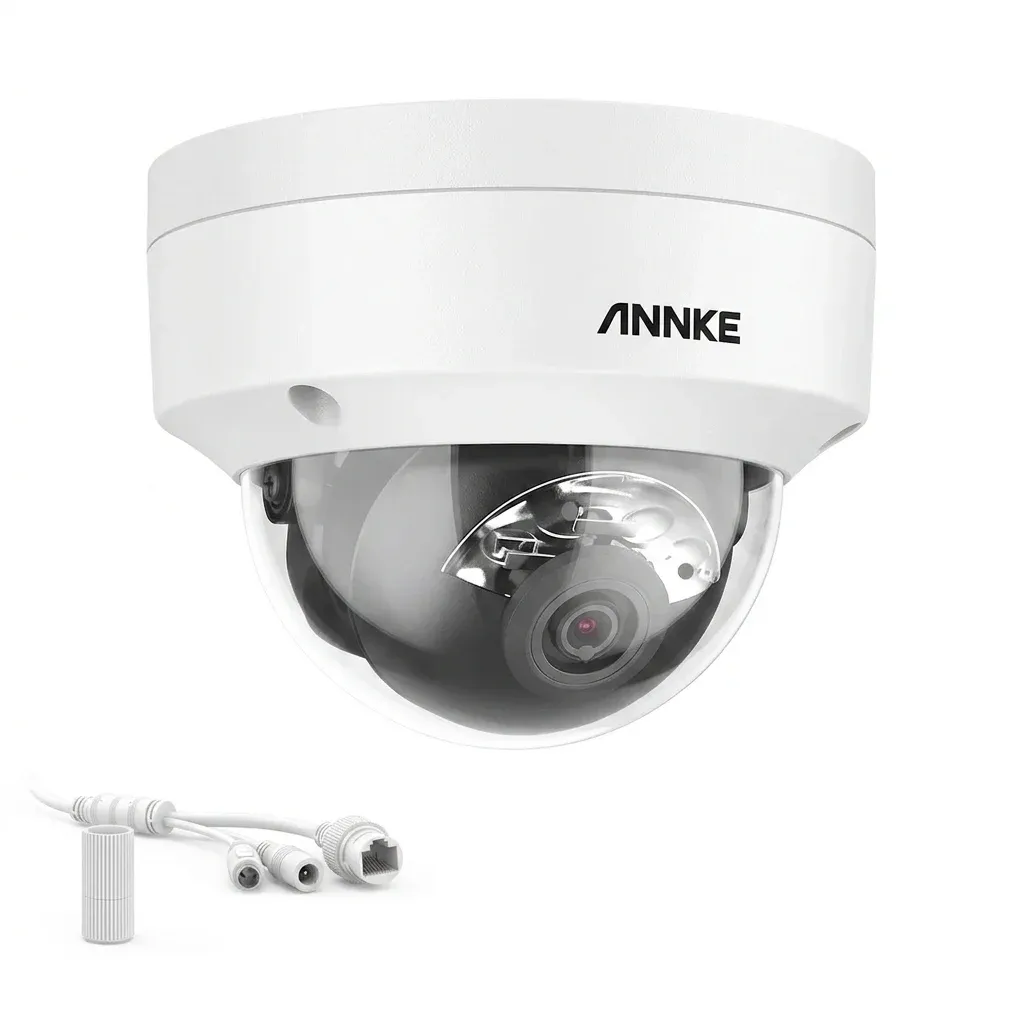

Built for cleaner PoE surveillance, not complicated setup
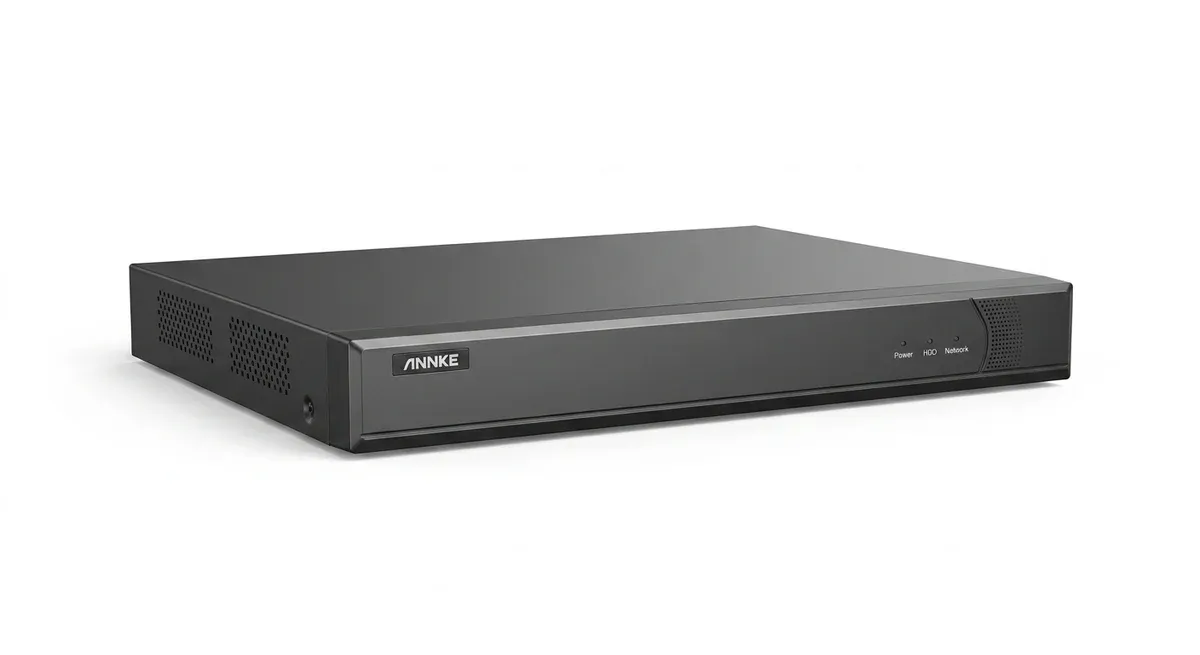
This recorder solves a common security problem: how to run multiple IP cameras without turning the installation into a cable and storage headache. ANNKE has a solid reputation in the AliExpress security niche for practical hardware, and this unit follows that pattern with straightforward PoE inputs, broad camera support, and app-based remote access.
Users often choose this type of NVR when they want one box that powers the cameras, records locally, and keeps playback accessible from a phone. That makes it a sensible core for a home, office, or small storefront system, but what does 12MP support actually change in daily use?
12MP recording: why the extra detail matters
The headline feature is support for live view, recording, and playback up to 12MP, which gives you more usable detail when zooming into faces, license plates, or package drop zones. In practice, that means the image stays cleaner when you need to crop into a small area instead of relying on the full frame.
Compared with basic 1080p recorders, this class of NVR is better suited to modern 4K and 12MP cameras, where the camera can see more than the recorder can properly store. If your cameras are already high resolution, the recorder should not become the bottleneck, so how does ANNKE handle storage efficiency?
H.265+ compression keeps storage under control
H.265+ is the feature that makes high-resolution recording practical on a single SATA hard drive. It reduces file size compared with older H.264 systems, so you can keep longer recording history without filling the drive as quickly.
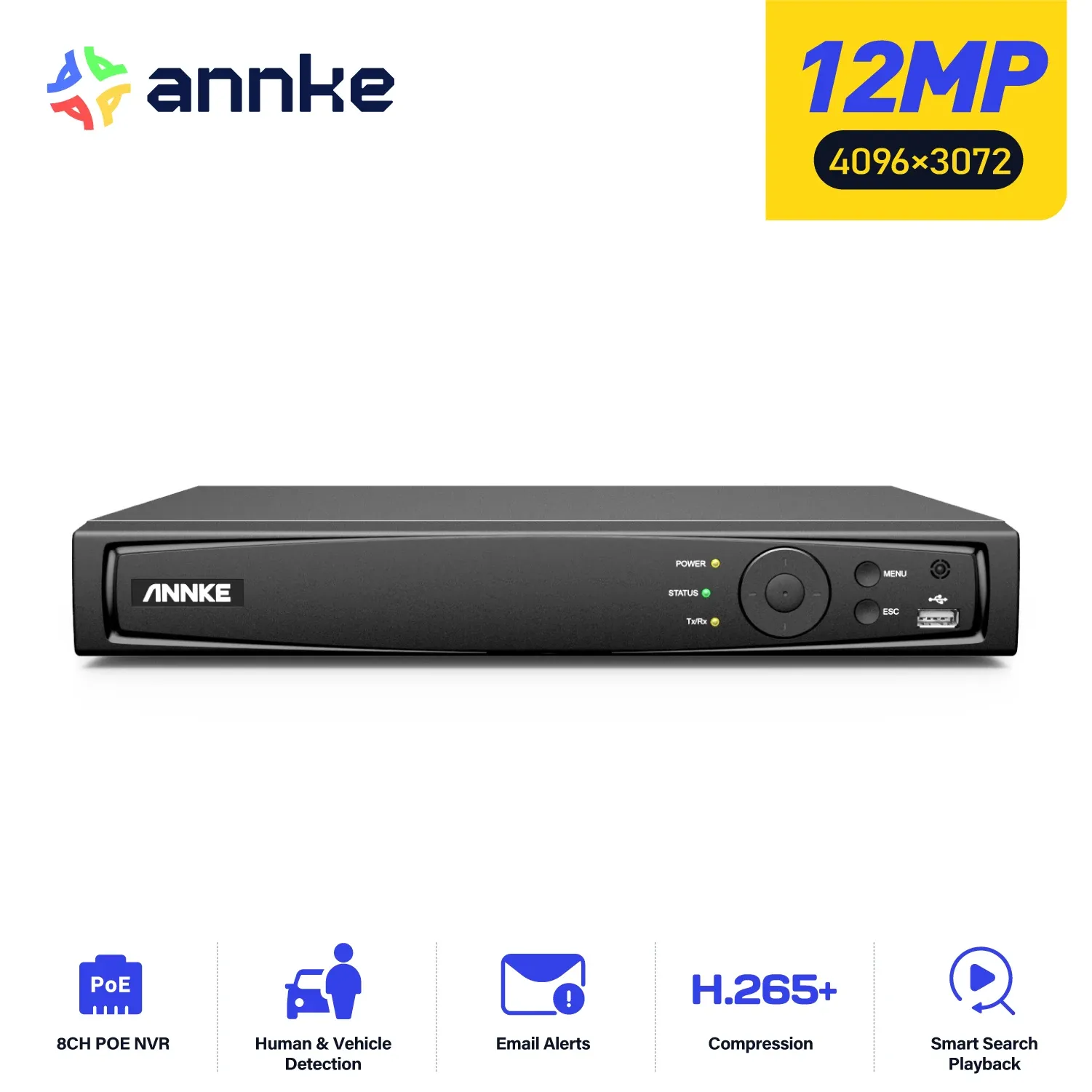
That matters most for continuous recording, where storage can disappear fast once several cameras are running day and night. According to users, the software is intuitive enough for quick setup, which is useful when you want compression and playback to work without a steep learning curve, but the PoE side is where this model becomes more interesting.
8-port PoE: fewer adapters, less clutter
The built-in 8-port PoE design is the biggest convenience advantage here because each camera can receive power and data through one RJ45 run. That reduces the need for separate power bricks and makes the installation look far cleaner inside a cabinet or on a wall-mounted rack.
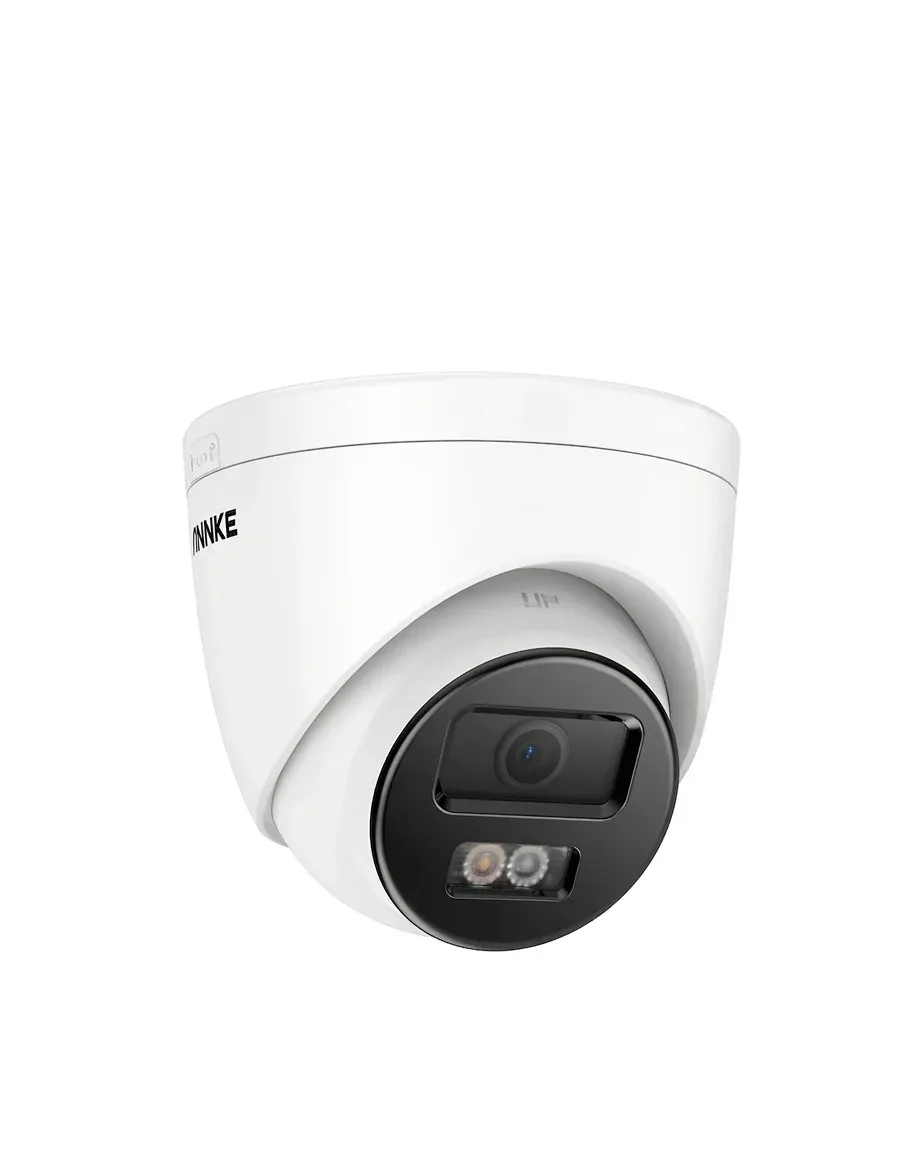
This also helps when you are upgrading an older camera layout, since the recorder can centralize the system instead of scattering power supplies around the property. If you are planning a mixed setup, the support for third-party network cameras is useful, so what should you expect on the monitor and in the app?
Remote viewing and 4K output for day-to-day monitoring
ANNKE Vision remote access, along with iPhone and Android support, gives you a practical way to check alerts, live feeds, and playback away from the property. The HDMI output reaches 4K, which makes the local monitor view feel sharp and easier to scan when several camera windows are open at once.
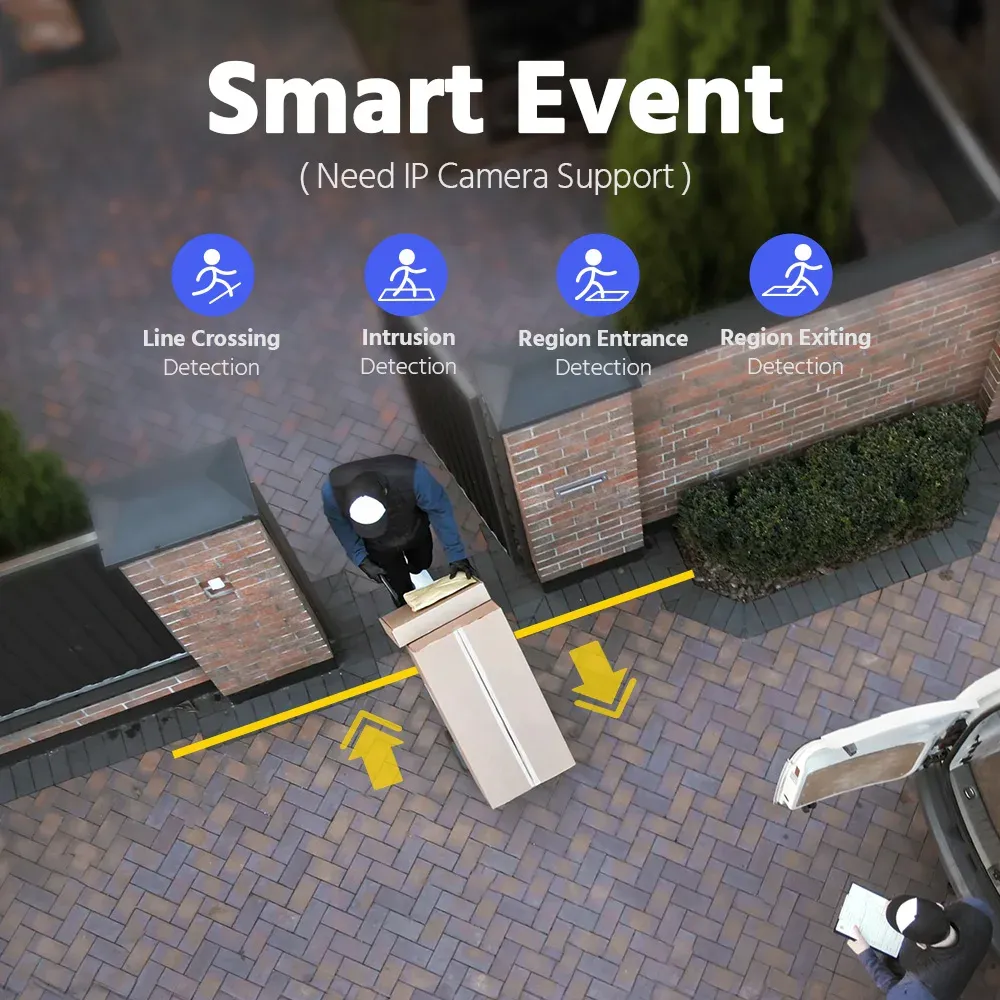
Alarm handling is also more serious than on entry-level recorders, with FTP photo, email photo, and local alarm options for event-based monitoring. The system can also support human and vehicle target detection on four channels, which is useful if you want fewer false alerts from trees, shadows, or passing rain.
What type of installation fits this recorder best?
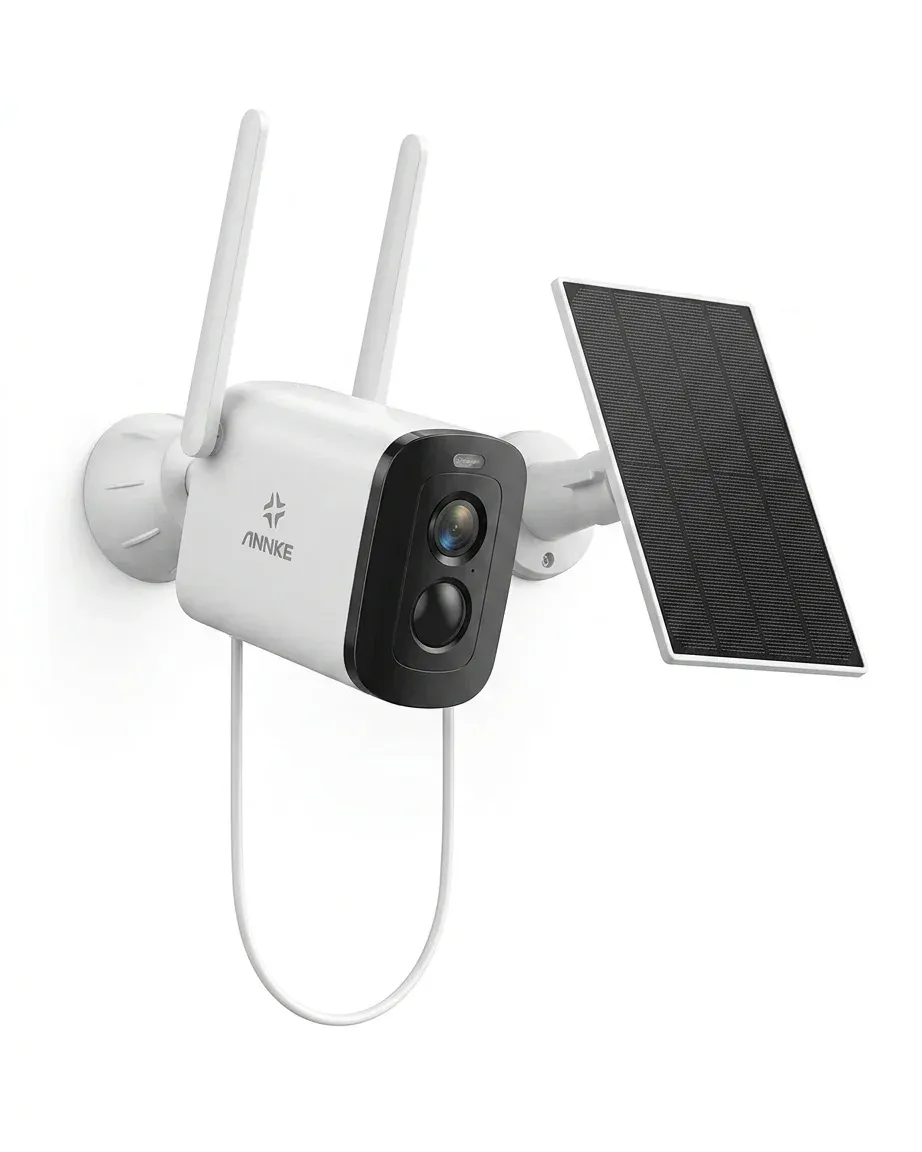
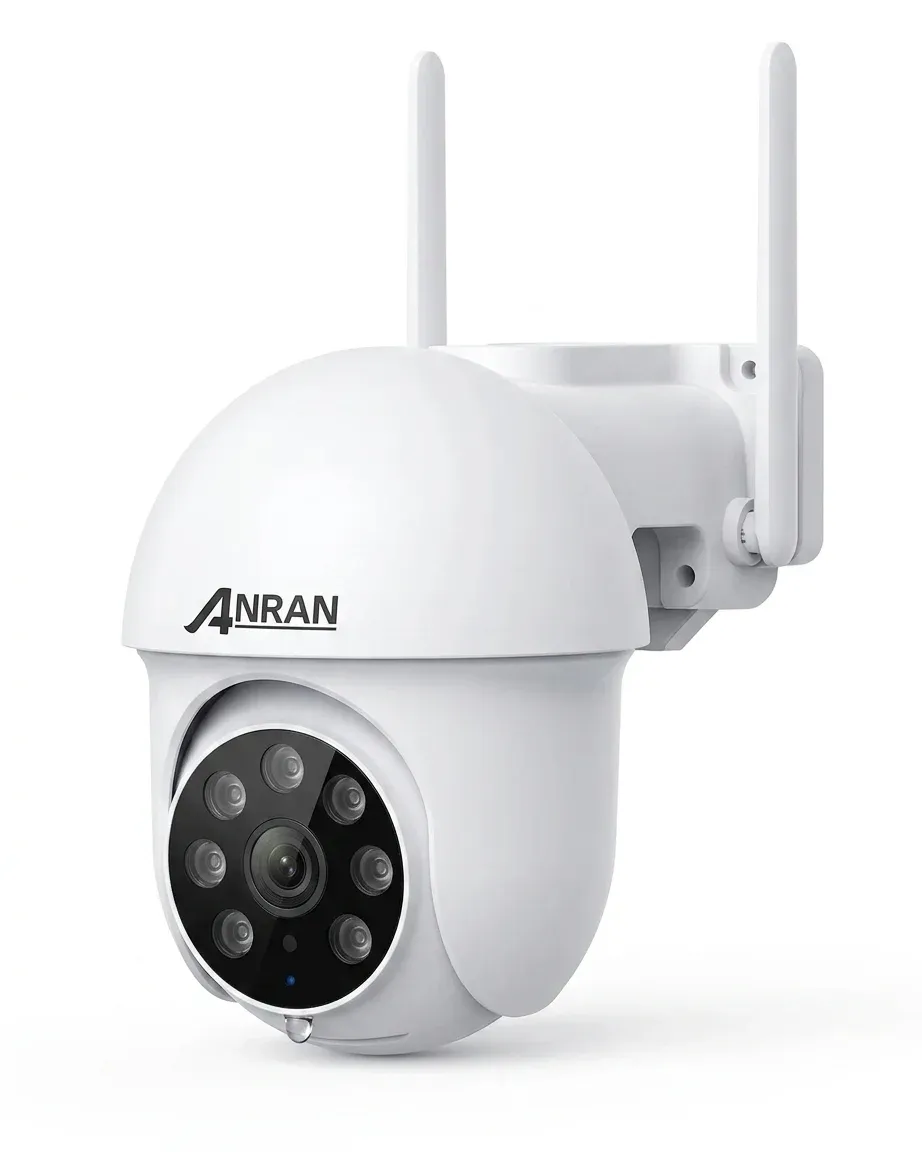
This unit is best for users who already know they want a wired PoE system and prefer stable, always-on recording over battery-powered convenience. It is less suited to casual users who want a plug-and-forget wireless camera kit, because this is a recorder built around structured cabling, SATA storage, and network-based configuration.
Real customer feedback points to fast delivery, easy setup, and reliable recording once the hard drive is installed, which supports the idea that the hardware is strongest when used as the center of a properly planned system. If you are building around compatible IP cameras, the value proposition is clear, so the remaining question is where the compromises show up.
Where the trade-offs are visible
The recorder does not include two-way audio, so it is not the right pick if you want to speak through cameras from the app. Its network interface is limited to 10/100M Ethernet, which is fine for typical surveillance traffic but less future-proof than gigabit hardware for larger installs.
It also depends on a separate 3.5-inch SATA hard drive, so the final experience depends on the disk you choose and how many cameras you attach. For buyers who value stable PoE recording over smart-home extras, that trade-off is usually acceptable, but the storage plan should be decided before installation.