







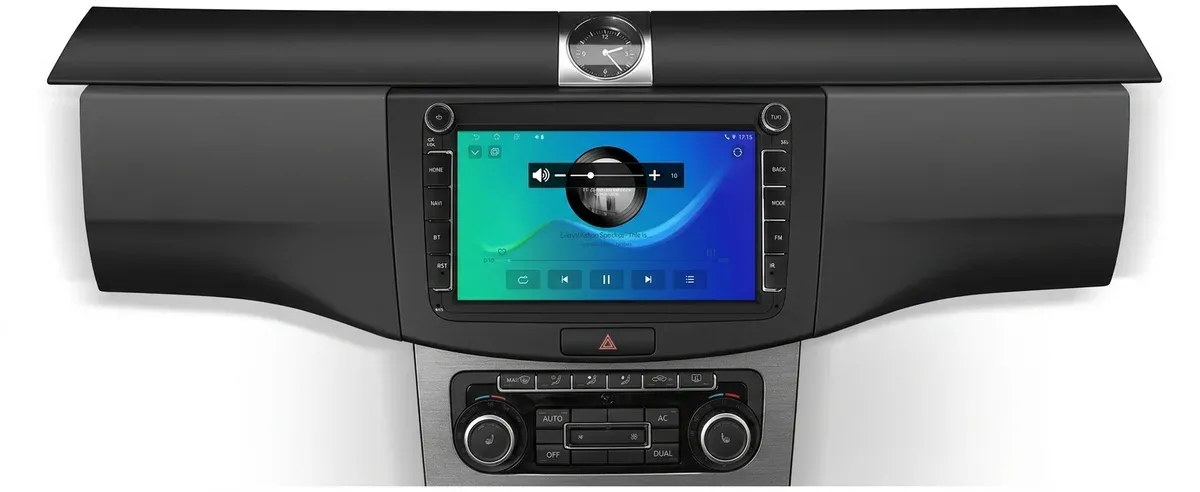
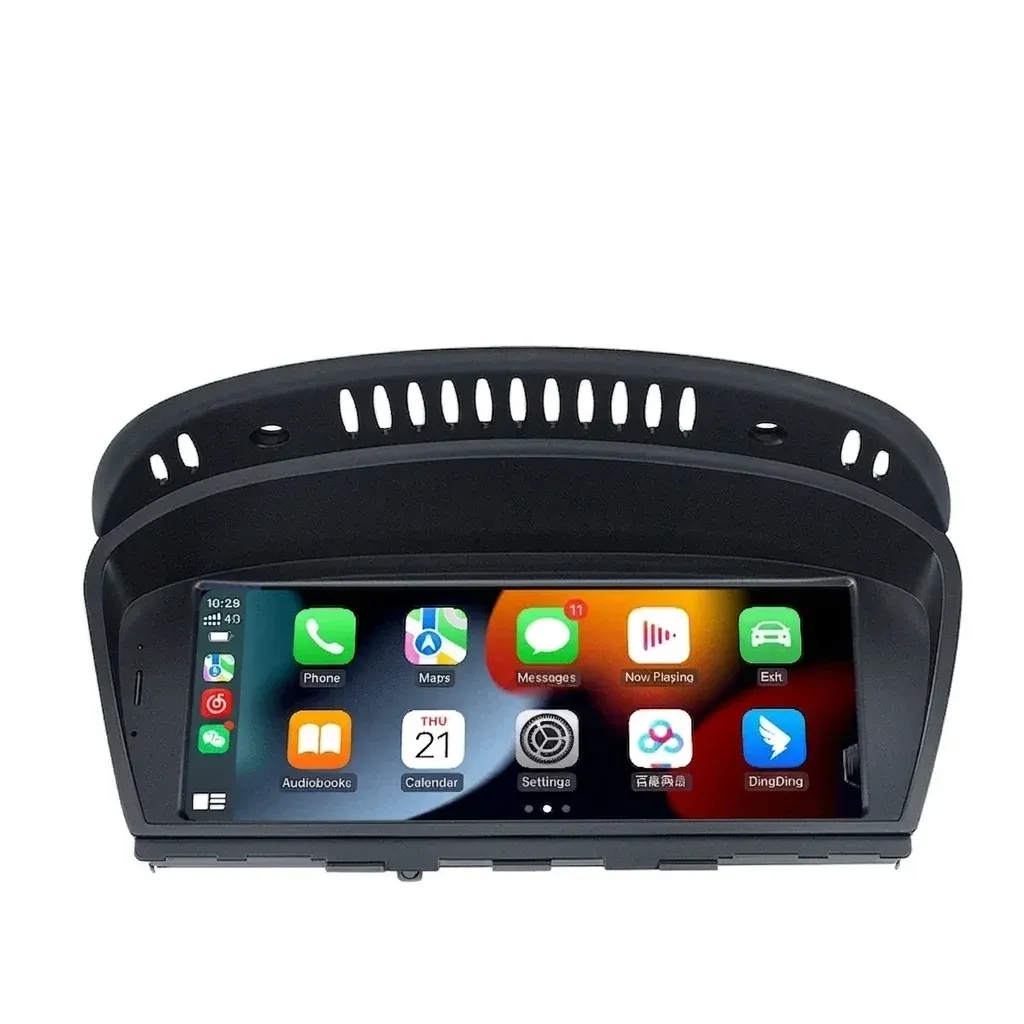
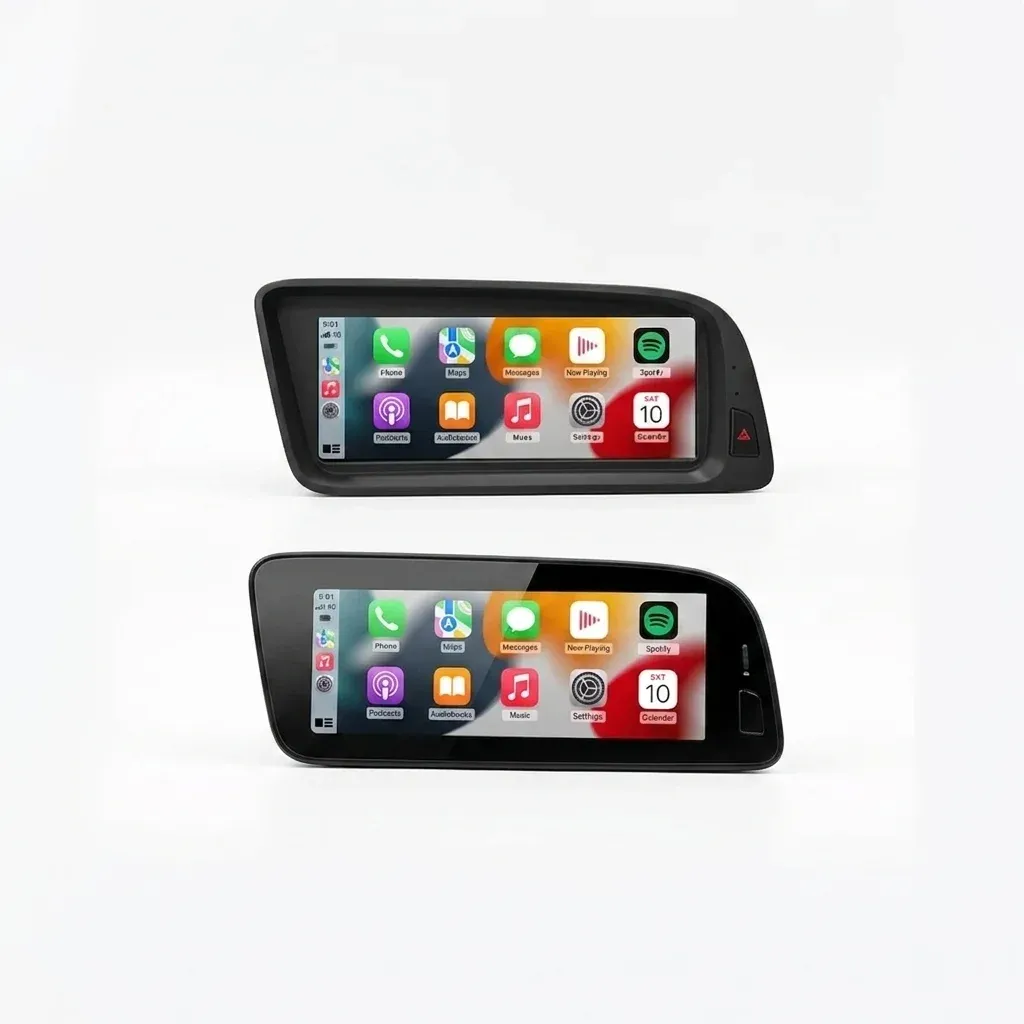

A cleaner dashboard with modern phone integration
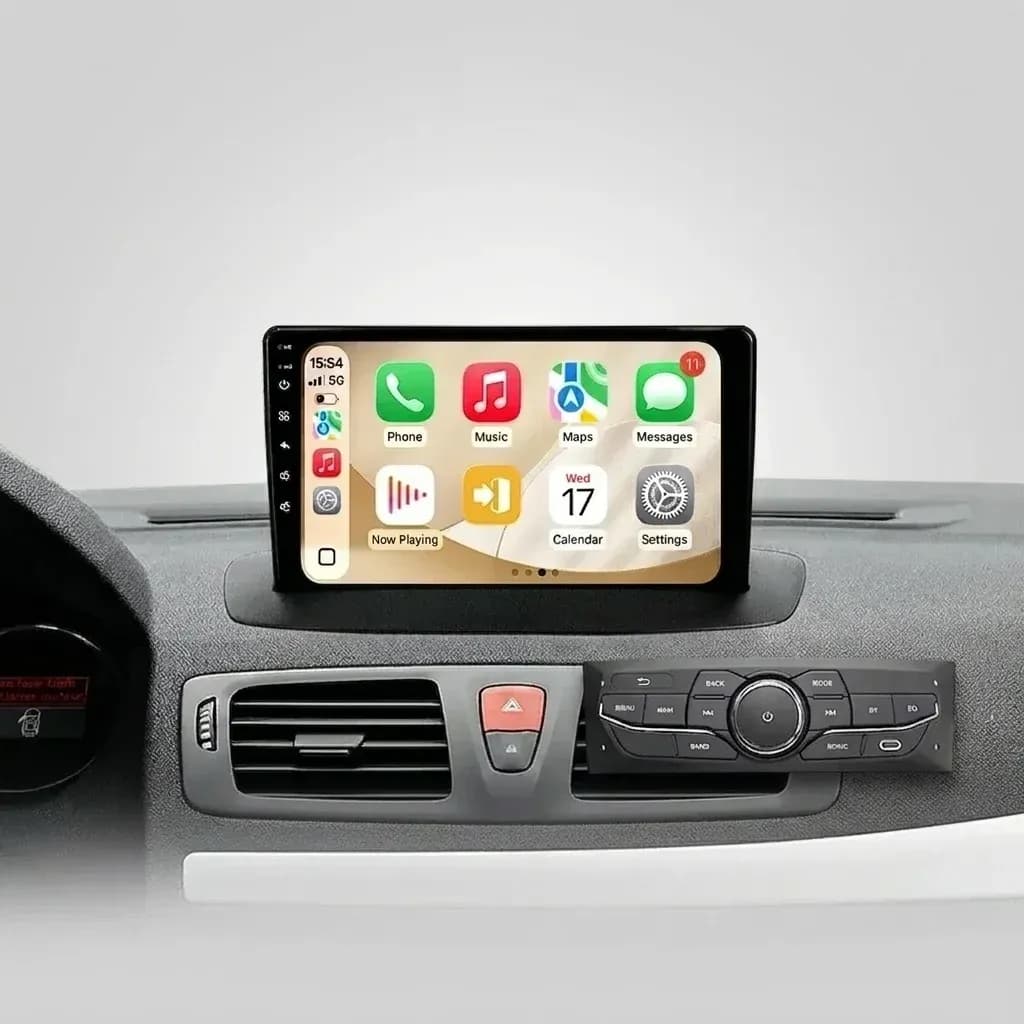
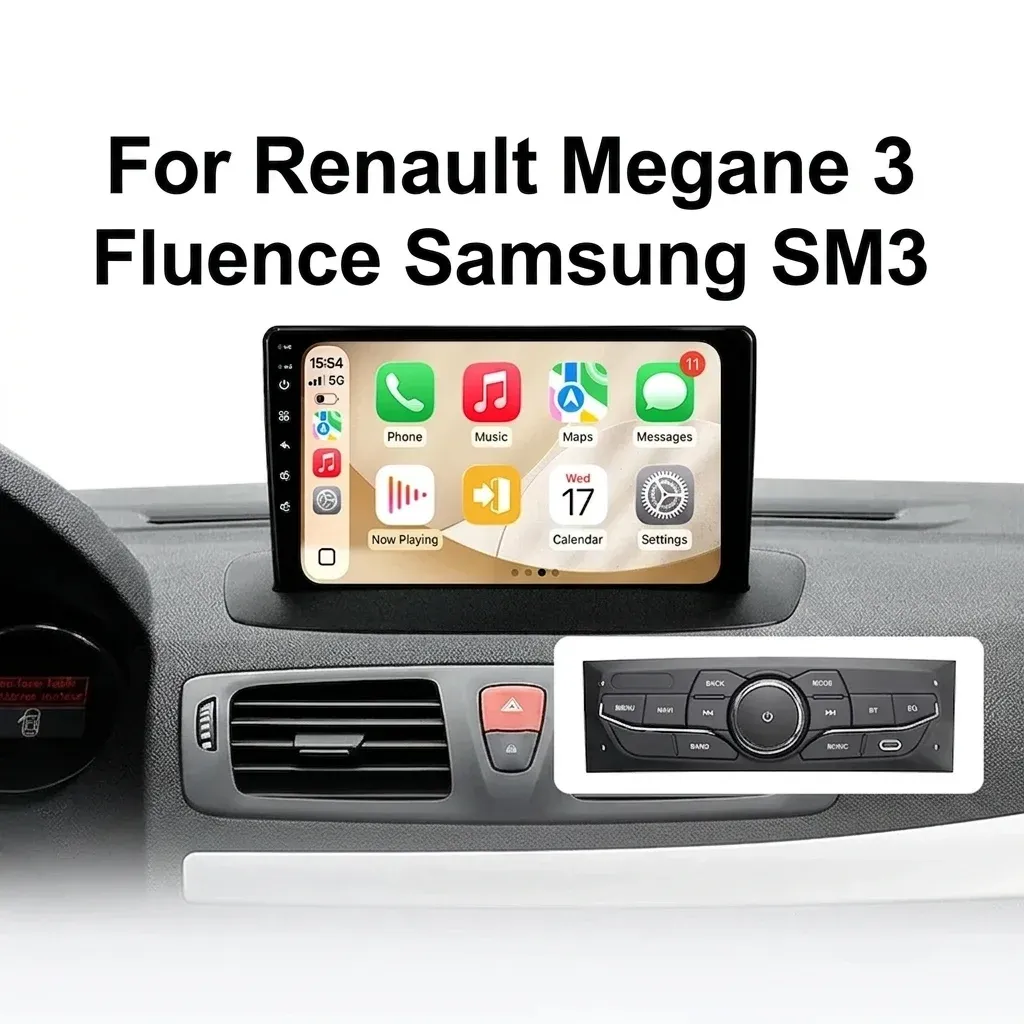
This head unit solves a familiar problem for older Renault interiors: the factory screen and media interface feel dated long before the car itself does. By moving to a larger multimedia display, the cabin gains a more current look while keeping the dashboard layout close to original.
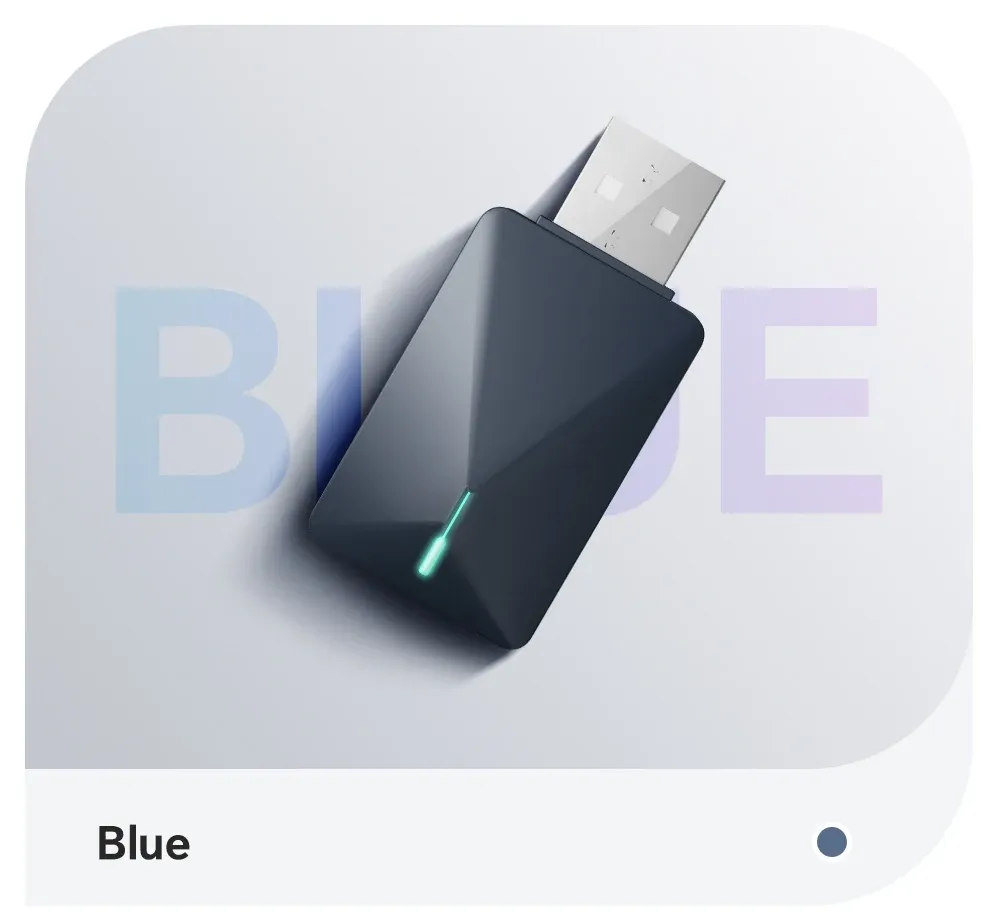
The appeal is not just visual. Wireless CarPlay and Android Auto reduce cable clutter and make navigation, calls, and music easier to manage during daily driving, which is exactly what most Megane 3 and Fluence owners are looking for.
Why the larger screen matters in real use
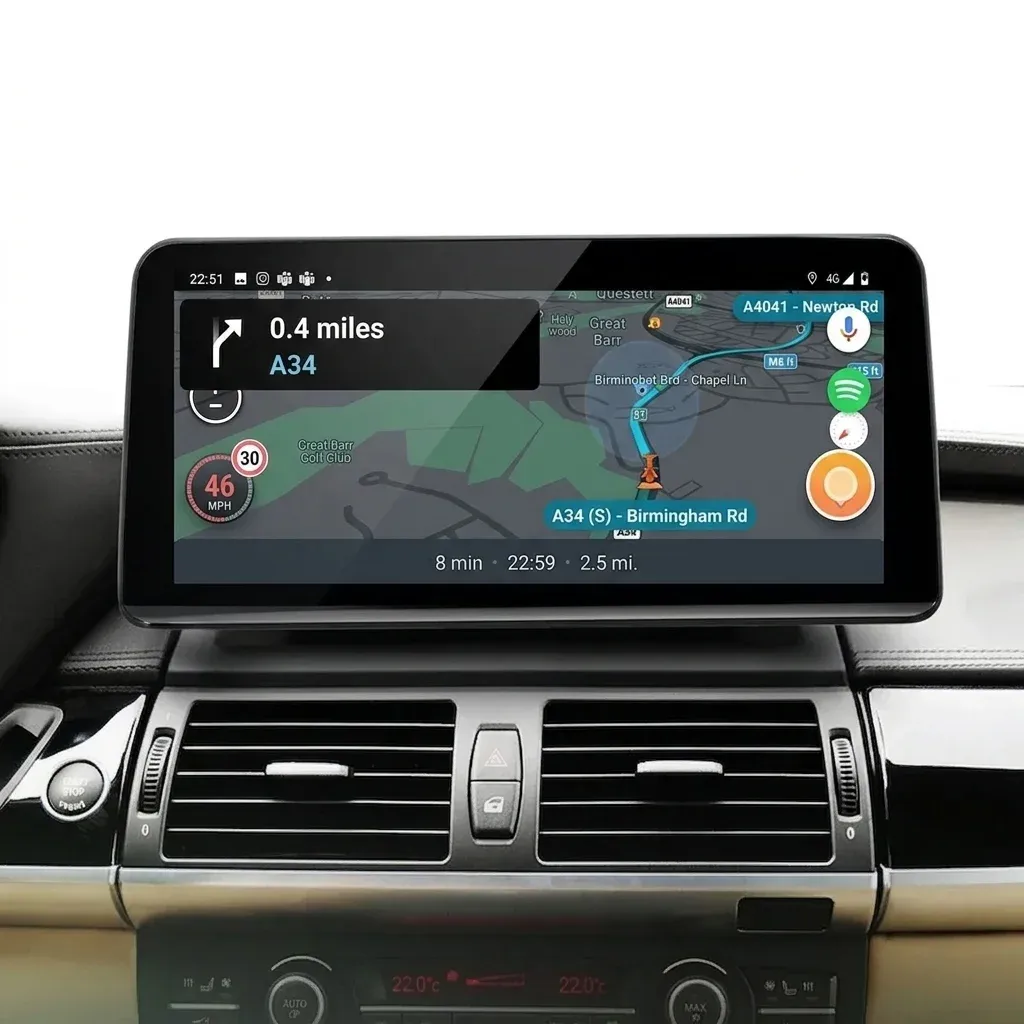
Users repeatedly mention that the display feels much bigger than the original unit, and that difference shows up in both readability and touch comfort. Map prompts, media tiles, and vehicle menus are easier to glance at, which helps when the car is moving through traffic or tight parking spaces.
The screen also appears to support vehicle information pages such as air conditioning and tire pressure, turning the stereo into a more useful control center rather than a simple media player. That makes it feel closer to an OEM-plus retrofit than a universal Android tablet, so what does that mean for day-to-day convenience?
Factory controls stay part of the experience
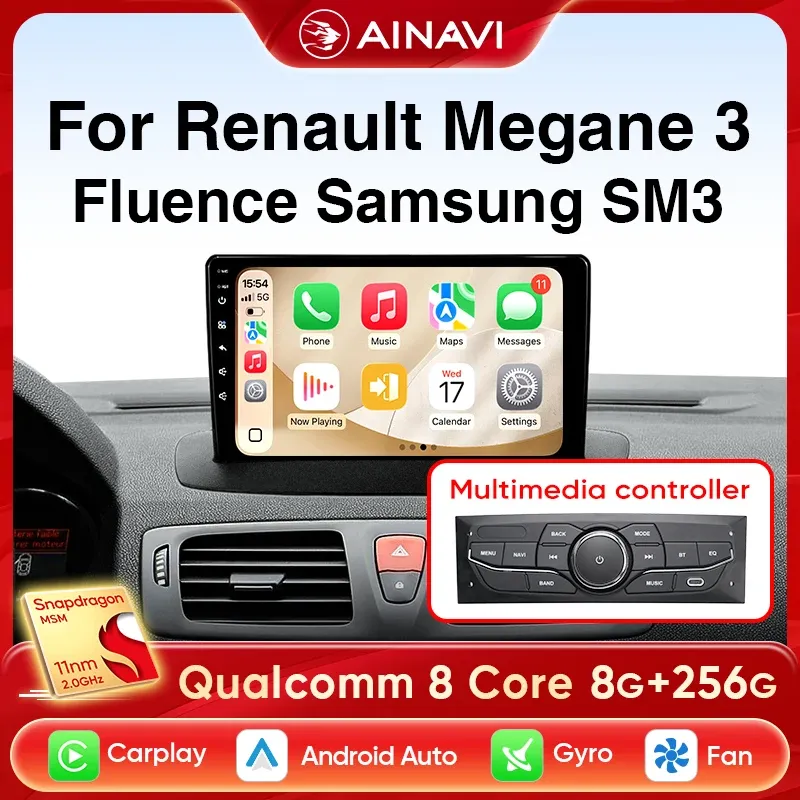
One of the strongest points in user feedback is steering wheel control retention, which matters because it preserves the rhythm of driving. Instead of reaching across the cabin, you can keep volume, track changes, and menu actions on the wheel, and that makes the upgrade feel integrated rather than improvised.
Compatibility with Bose audio systems is another important detail, since premium factory sound setups can be difficult to preserve after a retrofit. Reviews suggest the unit can work with those systems when installed correctly, though some wiring details may need careful attention during setup.
Installation is manageable, but this is not a plug-and-forget unit
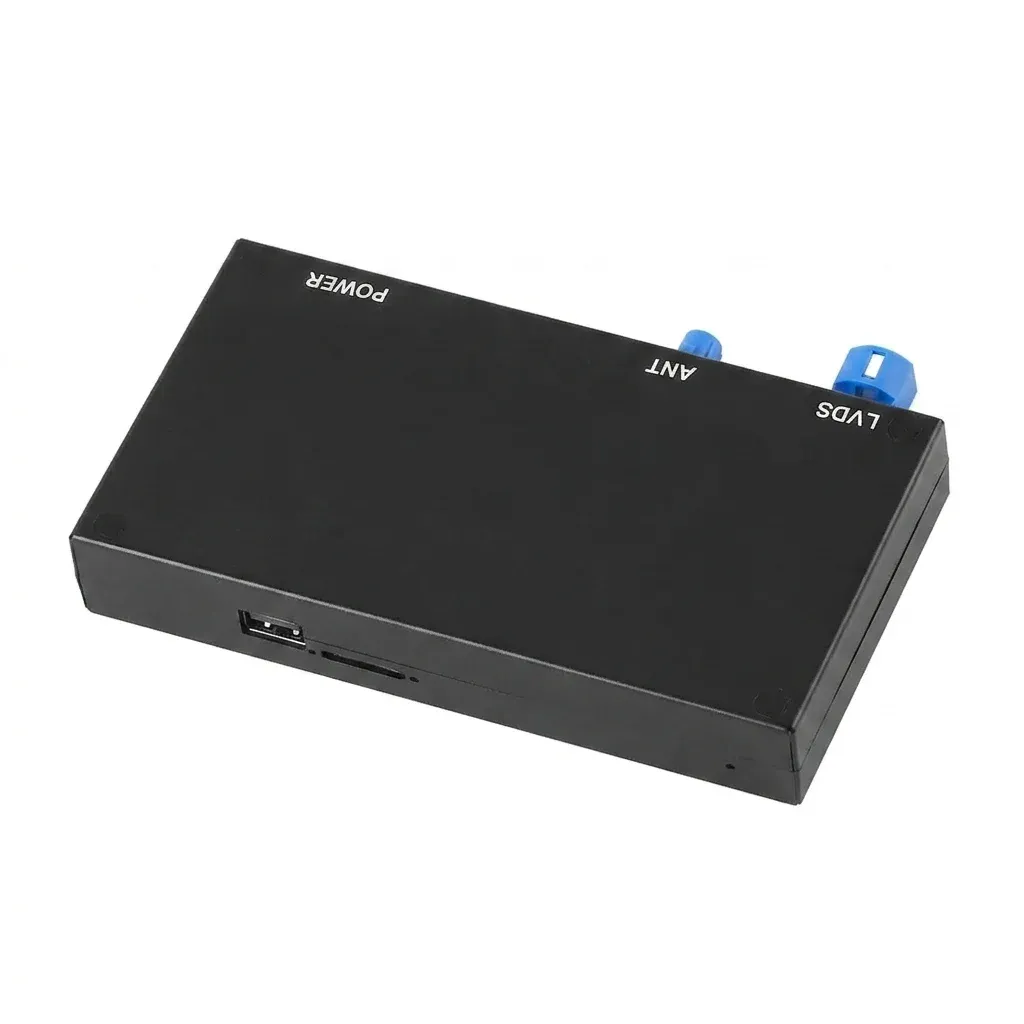
Real customer feedback points to a straightforward physical fit, yet the electrical side can require patience. Several users needed seller guidance to correct connector orientation, amplifier wake-up wiring, or rear camera settings, which tells you the hardware is promising but the install process rewards methodical work.
That trade-off is common in AliExpress car multimedia upgrades: a good result often depends on careful installation more than flashy marketing claims. If you are comfortable following wiring notes or using installation videos, the payoff can be a much more polished cabin than the factory system ever delivered.
Sound, camera support, and the small details that matter
Audio quality is described as decent once the equalizer is tuned, which is encouraging for a unit in this category. One recurring note is that the built-in microphone may not be strong enough for clear calls, so an external mic can be a smarter choice for drivers who use hands-free calling often.
Rear camera integration also appears to be usable, but not always automatic, and some owners had to adjust settings to match their setup. That is worth knowing before installation, because the best retrofit experience comes from treating the stereo as a configurable system rather than a one-step replacement.
What the review pattern suggests
The review profile is strong, with a 4.6 average rating and most feedback sitting at five stars, which supports the idea that this unit delivers real value when installed correctly. Customers most often praise the screen size, steering wheel compatibility, and seller support, while the main complaints focus on documentation gaps and accessory wiring.
For Megane 3, Fluence, and SM3 owners who want wireless phone integration without abandoning the car’s original feel, this is a compelling retrofit path. The next question is whether the missing details in the box are deal-breakers or just part of the usual aftermarket learning curve?