







Why this Eclipse suspension upgrade matters
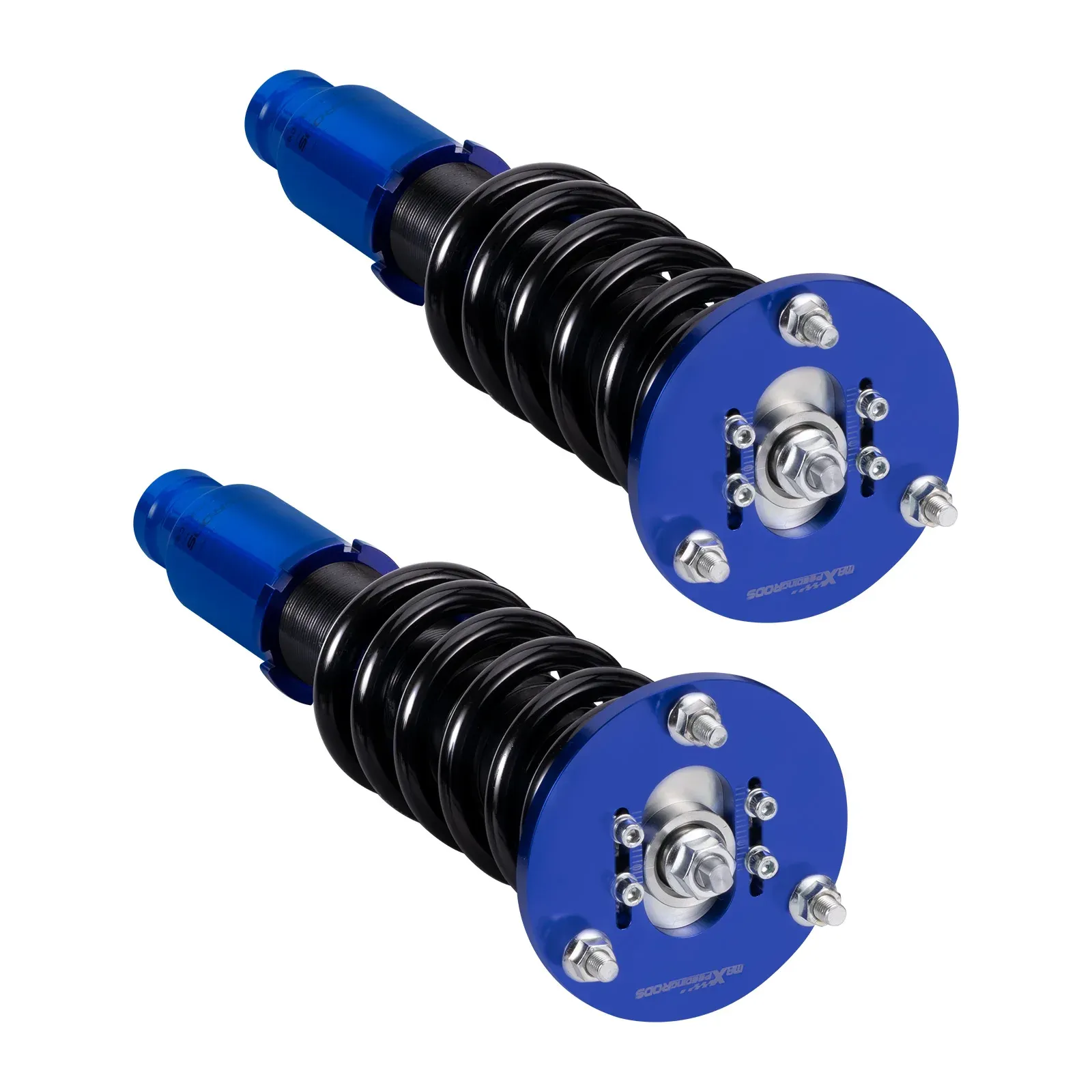
The factory suspension on a 1995-1999 Mitsubishi Eclipse can feel soft, tall, and vague once the car starts aging or gets driven harder than stock intended. This coilover kit solves that by giving the chassis a lower center of gravity, a firmer spring package, and the ability to fine-tune stance without replacing the whole suspension layout.
For AliExpress United States readers, the appeal is not just the lower ride height but the complete 4-piece setup, which makes the swap more straightforward than piecing together separate springs and dampers. That matters if you want a single aftermarket replacement part that changes both appearance and road feel, so what does the hardware actually deliver?
What the 12 kg/mm front and 9 kg/mm rear rates mean on the road
The front springs are rated at 12 kg/mm and the rear at 9 kg/mm, which points to a noticeably firmer setup than stock. In practice, that usually means less dive under braking, flatter cornering, and a more connected steering response, though rough pavement will feel more present through the cabin.
The non-adjustable damper force keeps the design simpler, so the main tuning lever is ride height rather than a wide comfort-to-performance range. That makes this kit better suited to drivers who already know the stance and handling balance they want, rather than those chasing luxury-car softness, and the camber plates help with alignment once the car sits lower.
Height adjustment and camber correction in one package
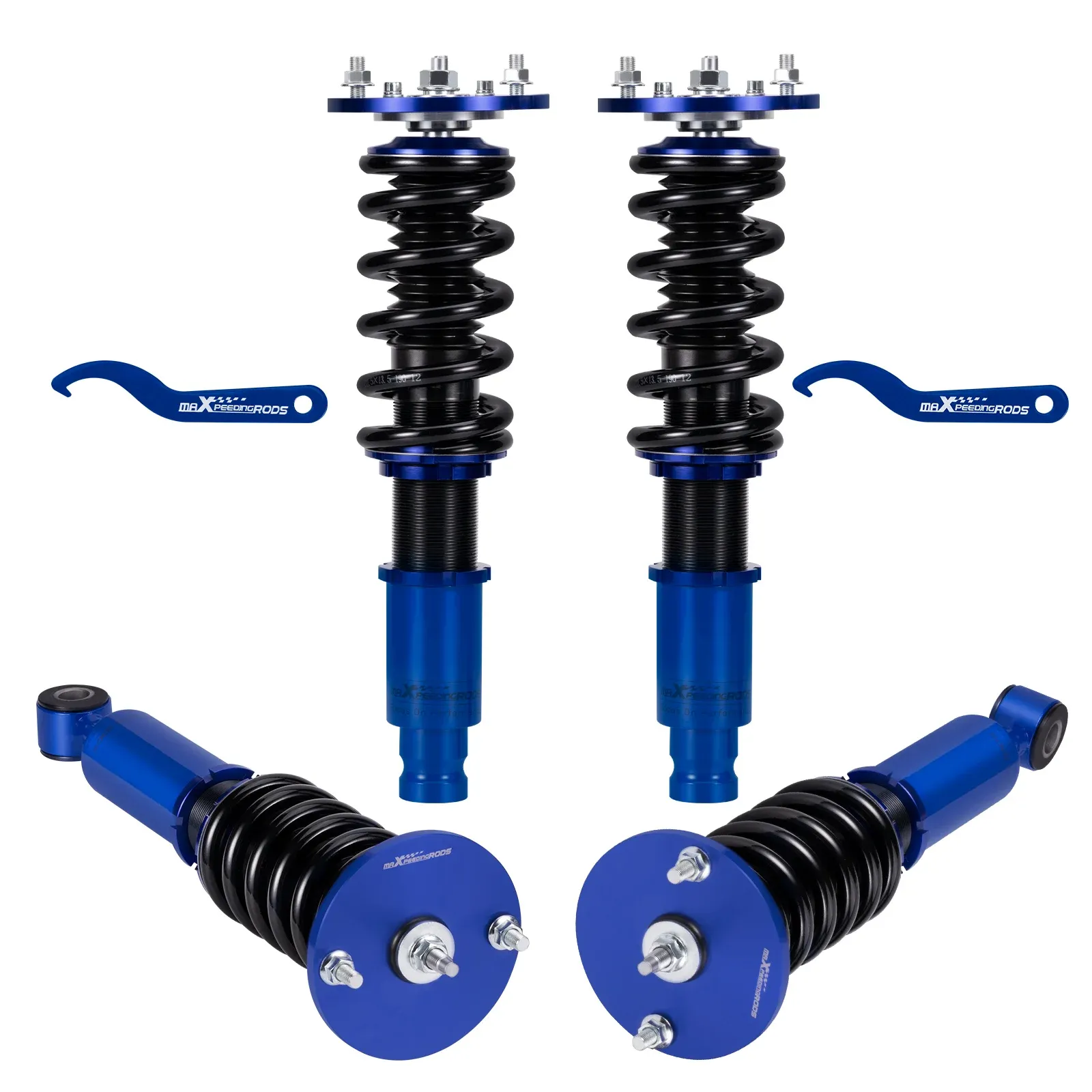
Adjustable height is the headline feature here, because it lets you set the car lower for a cleaner look or keep enough clearance for daily use. The adjustable camber plates are just as important, since lowering an Eclipse without alignment correction can quickly create uneven tire wear and a nervous front end.
That combination is especially useful for owners who alternate between street driving and occasional performance use. Compared with fixed lowering springs, this kit gives you more control over tire fitment, wheel gap, and geometry, which is where many budget suspension upgrades fall short, so the next question is fitment.
Fitment for the 1994-1998 Eclipse platform
The listing targets Mitsubishi Eclipse 94-98 fitment, with the product title also referencing 2.4L 1995-99 applications, so buyers should verify chassis and trim compatibility before ordering. That is important because suspension hardware can vary across model years and drivetrain configurations, especially on older Mitsubishi platforms.
The kit includes 2 front pieces and 2 rear pieces, weighs about 28 kg, and is built as an aftermarket replacement rather than an OEM-style comfort restoration. Users mention the visual quality and packaging positively, which is encouraging for a suspension part that arrives with a lot of mass and needs to survive shipping intact, but installation quality still depends on the rest of the car.
Who will appreciate this setup most
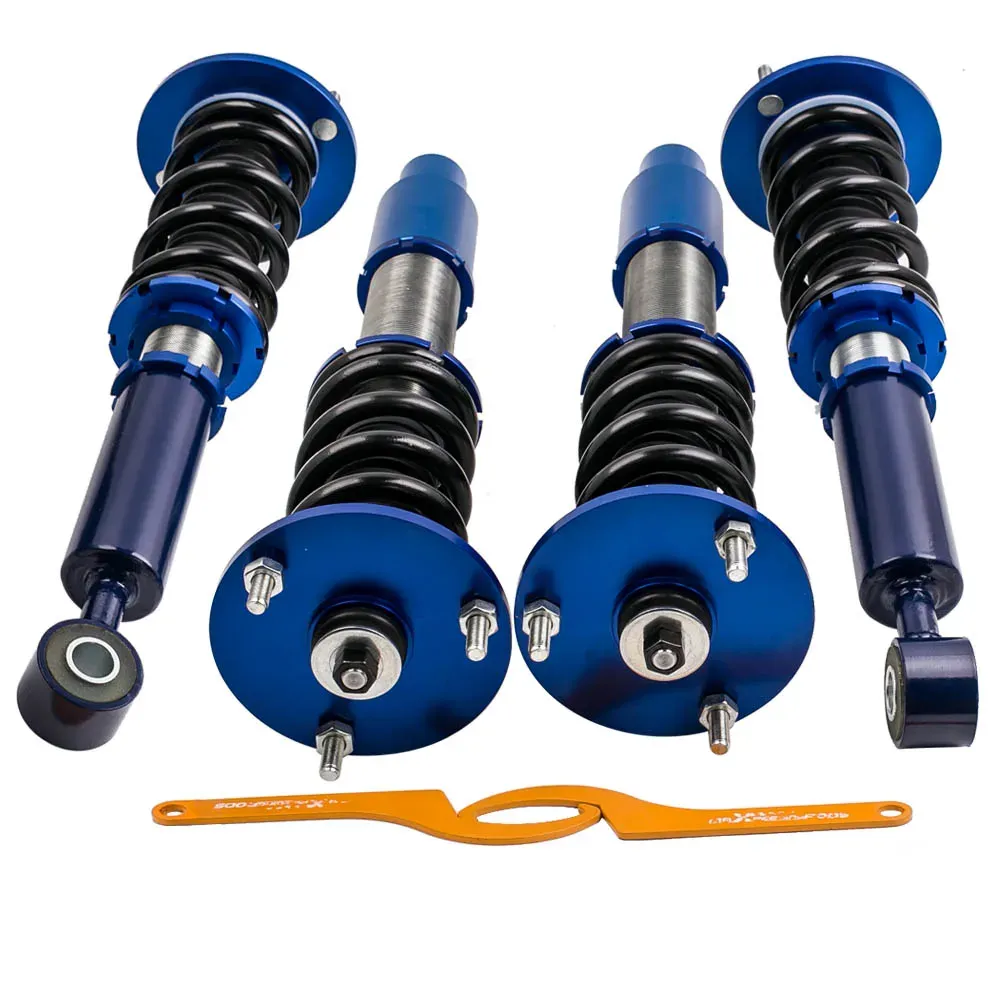
This MXR kit makes the most sense for Eclipse owners who want a lowered stance with a more disciplined chassis feel, not a soft touring ride. It is also a logical choice for project cars, because the blue finish, matched front-and-rear hardware, and camber adjustment give the underbody a cleaner, more purposeful look.
If the car already has worn struts or inconsistent ride height, a full coilover swap can feel like a reset button for the suspension. The real benefit is control: you can set the car where you want it, then fine-tune alignment and clearance instead of living with the compromises of stock geometry, so what should buyers watch for?
Practical checks before installation
Because the damper force is non-adjustable, this is not the right choice for someone expecting on-the-fly comfort tuning. It is also worth confirming local road clearance, since a lower setup can expose exhaust, lip, or undertray contact on steep driveways and broken pavement.
The product note mentions that photos and the item may differ slightly due to lighting and display, which is common in aftermarket suspension listings. The safer approach is to compare part numbers, mounting style, and Eclipse generation before fitting, since that extra check is what keeps a good-looking upgrade from becoming an alignment headache.