







A sharper dashboard for an aging Mirage cabin
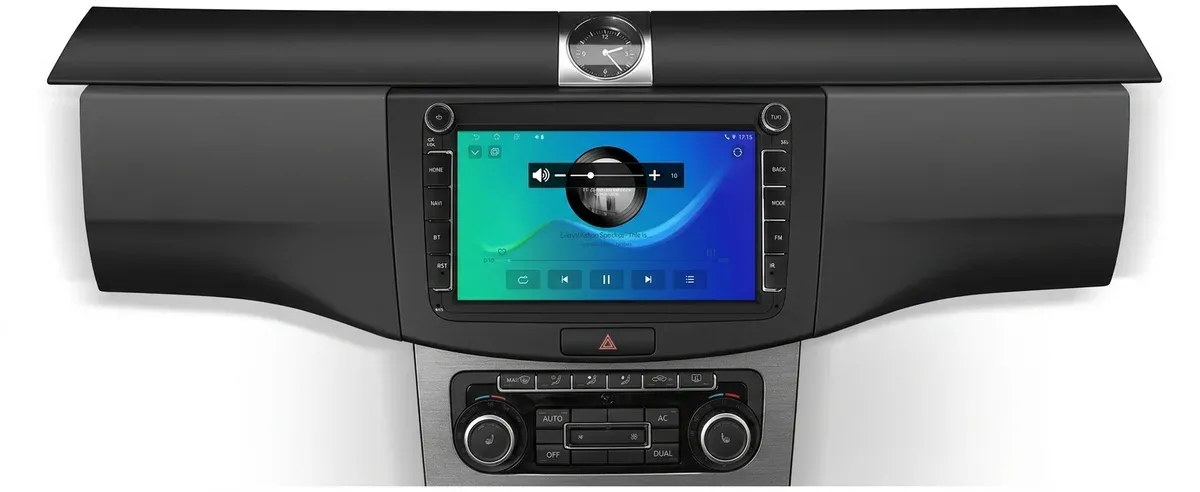
This head unit solves a familiar problem for Mirage and Attrage owners: the factory screen can feel small, slow, and limited when daily driving depends on maps, calls, and music. The 9-inch format gives the dashboard a more modern look while making navigation and media controls easier to read at a glance.
It is built as a double-DIN replacement for Mitsubishi Mirage and related fitments, so the appeal is not just the larger display but the cleaner integration. For drivers who want a factory-style upgrade without moving to a universal tablet mount, that detail matters, and the next question is how well the hardware supports everyday use.
Android 13 with 4GB RAM: enough for daily driving?
The unit runs Android 13 with 4GB of RAM and 128GB of ROM, which is a practical combination for maps, Bluetooth audio, and a few frequently used apps. In real terms, that means the interface should handle common car tasks without feeling as cramped as older low-memory stereos.
Support for up to 256GB external memory gives you room for offline media and navigation files, which is useful on long commutes or areas with weak signal. Users also report quick delivery and careful packing, a small but reassuring sign when the screen is the main component you will rely on, so what does the display bring to the cabin?
9-inch QLED display that is easier to read in traffic
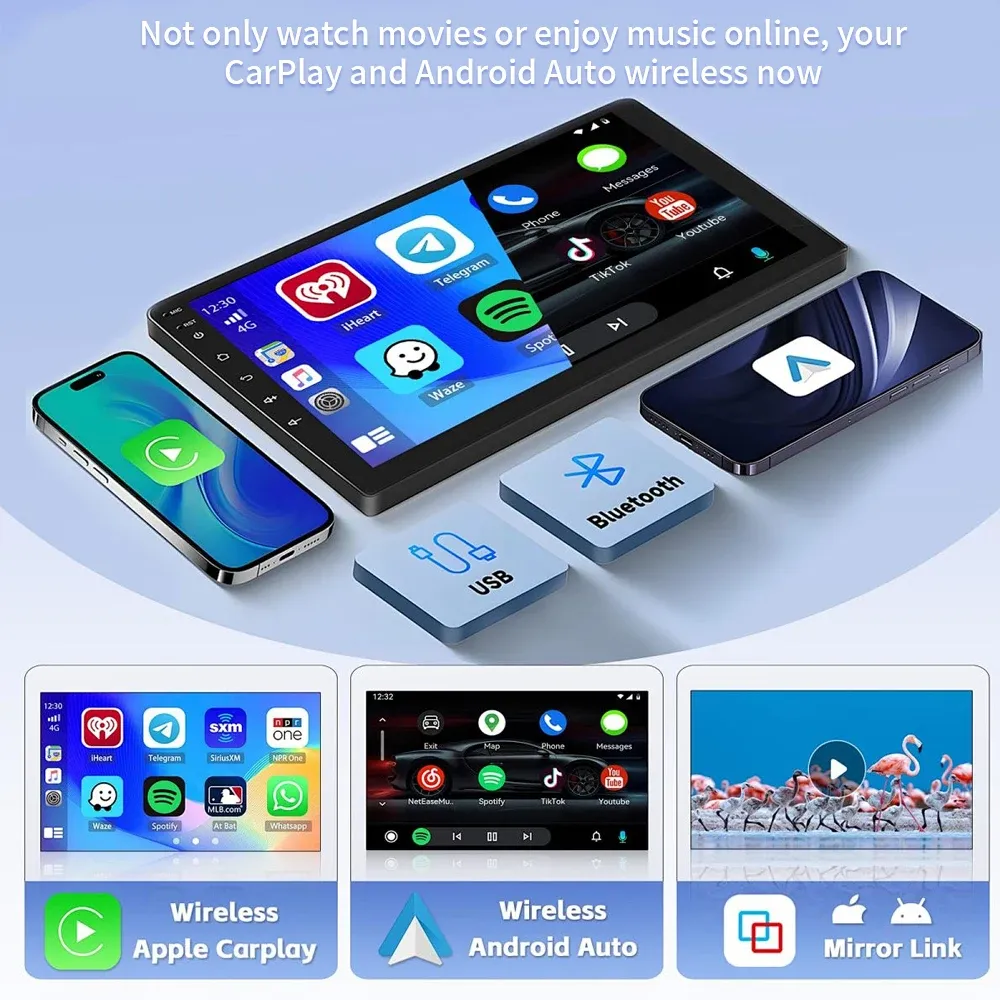
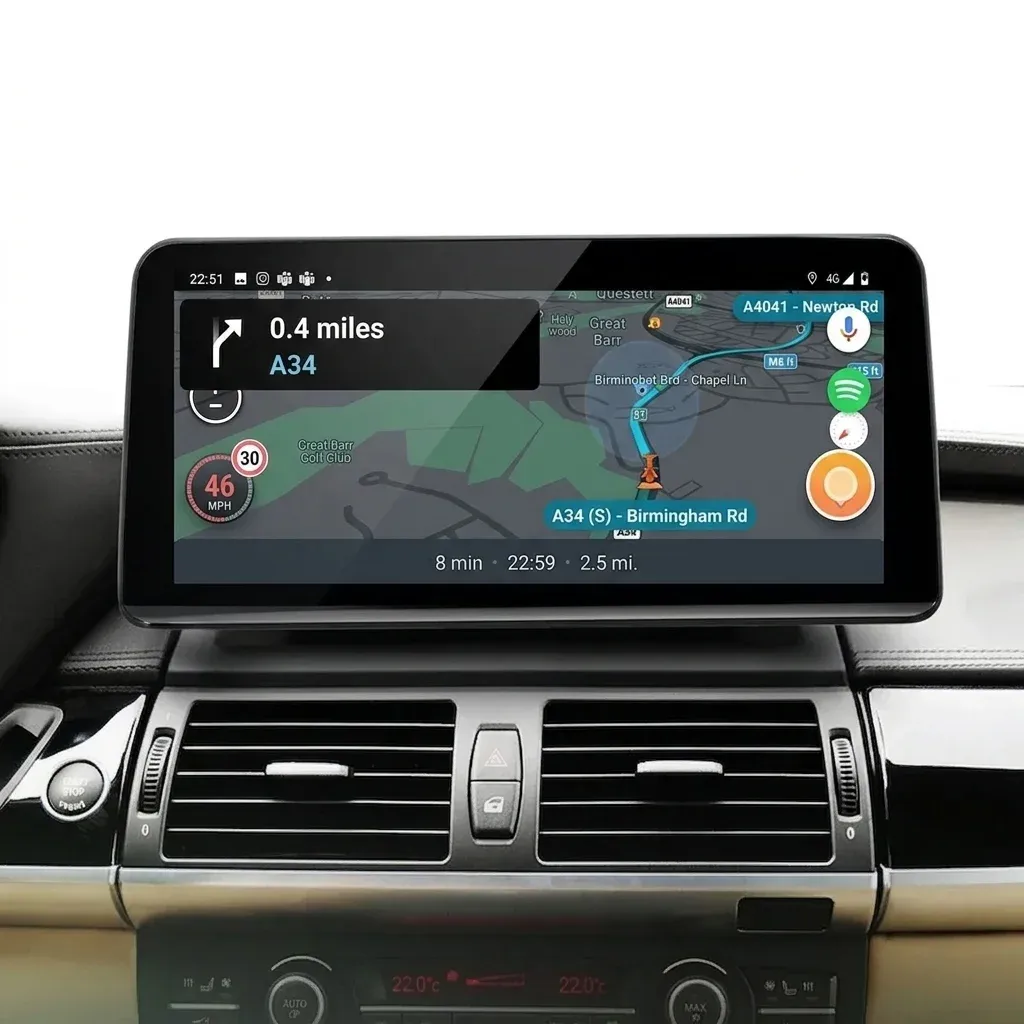
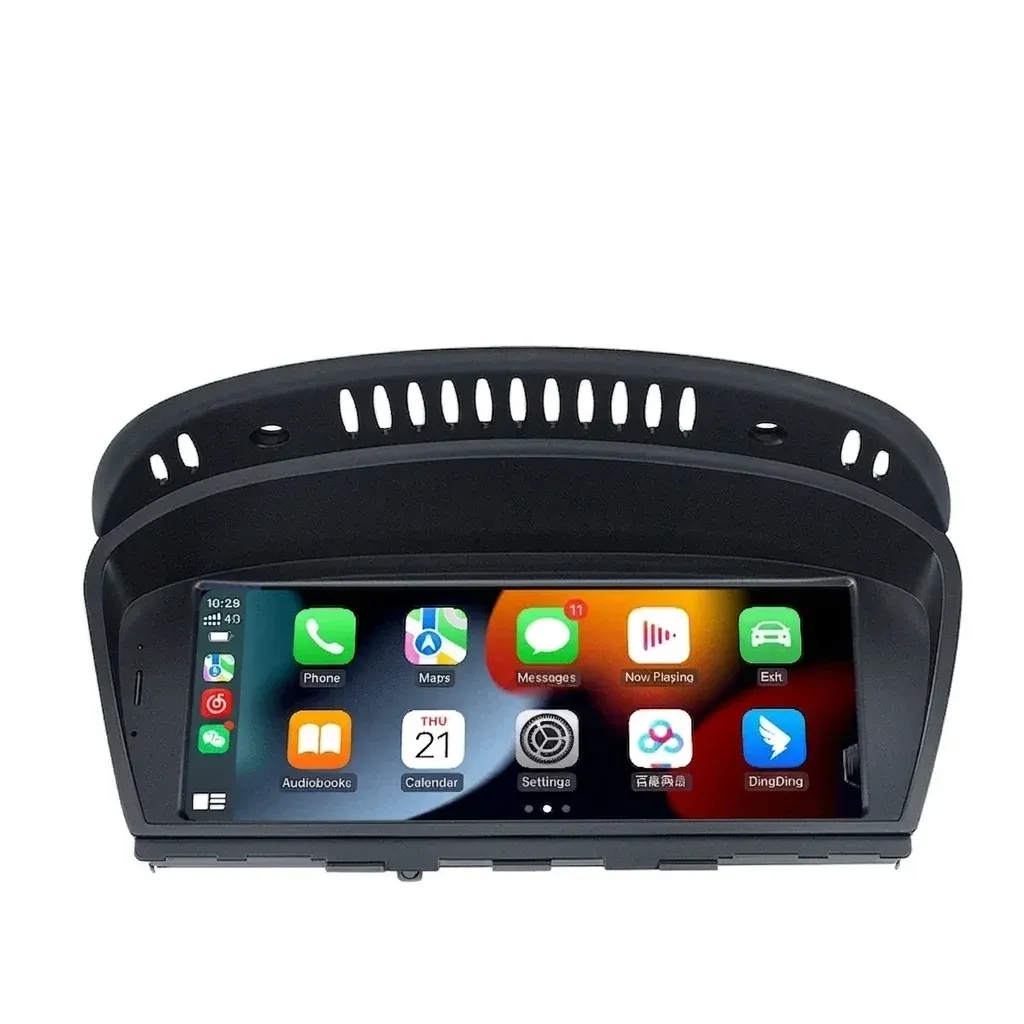
The 1280x720 QLED panel is the feature most drivers will notice first because it improves visibility over small, low-resolution factory units. Text, map turns, and album art appear larger and clearer, which reduces the need to lean forward or stare too long at the screen.
Touch response is a key part of the experience, especially when switching between GPS, music, and phone functions. The larger surface also makes split-screen use more realistic, letting you keep navigation open while controlling audio, and that leads into the connectivity story.
CarPlay, Android Auto, and voice control for less distraction
Wireless-style smartphone integration is one of the strongest reasons to consider this unit, since CarPlay and Android Auto can turn the stereo into a familiar command center. Voice control helps keep attention on the road, while steering wheel control support keeps routine actions close to your hands.
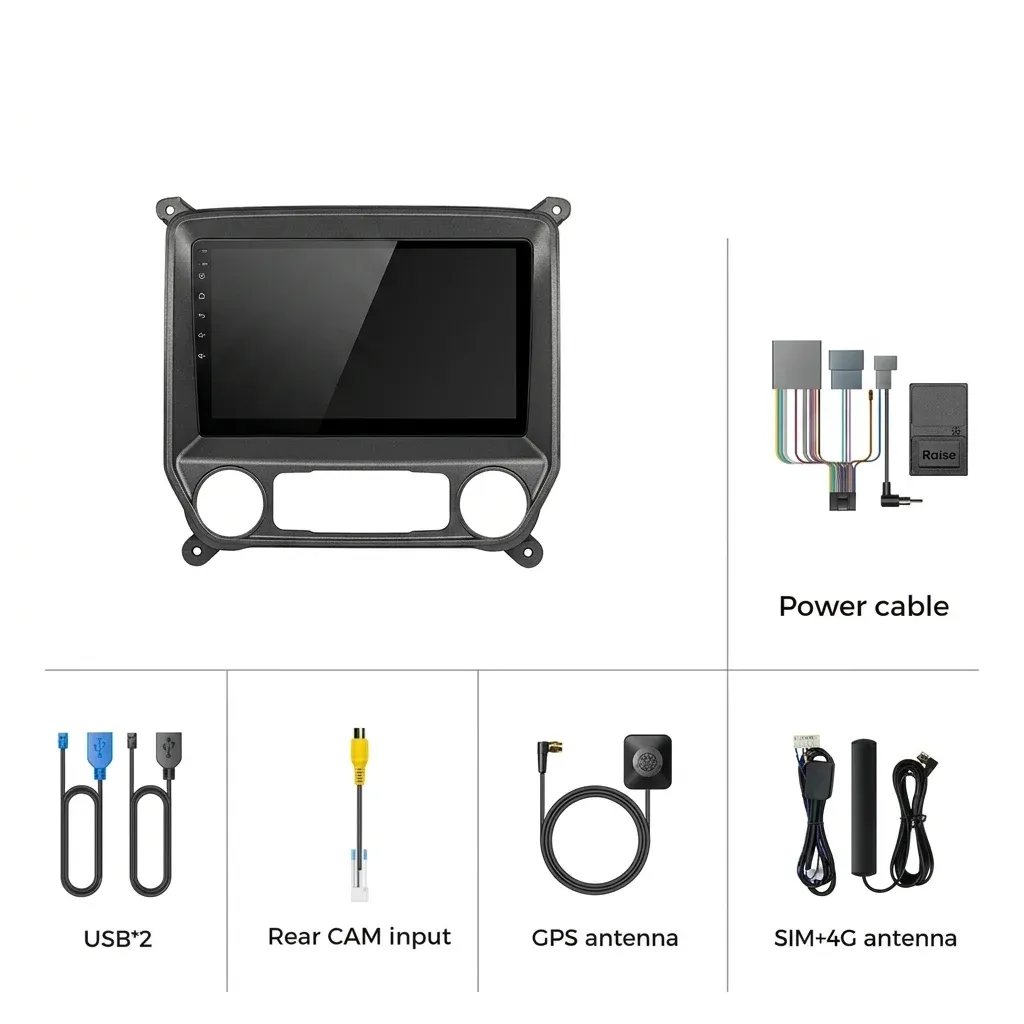
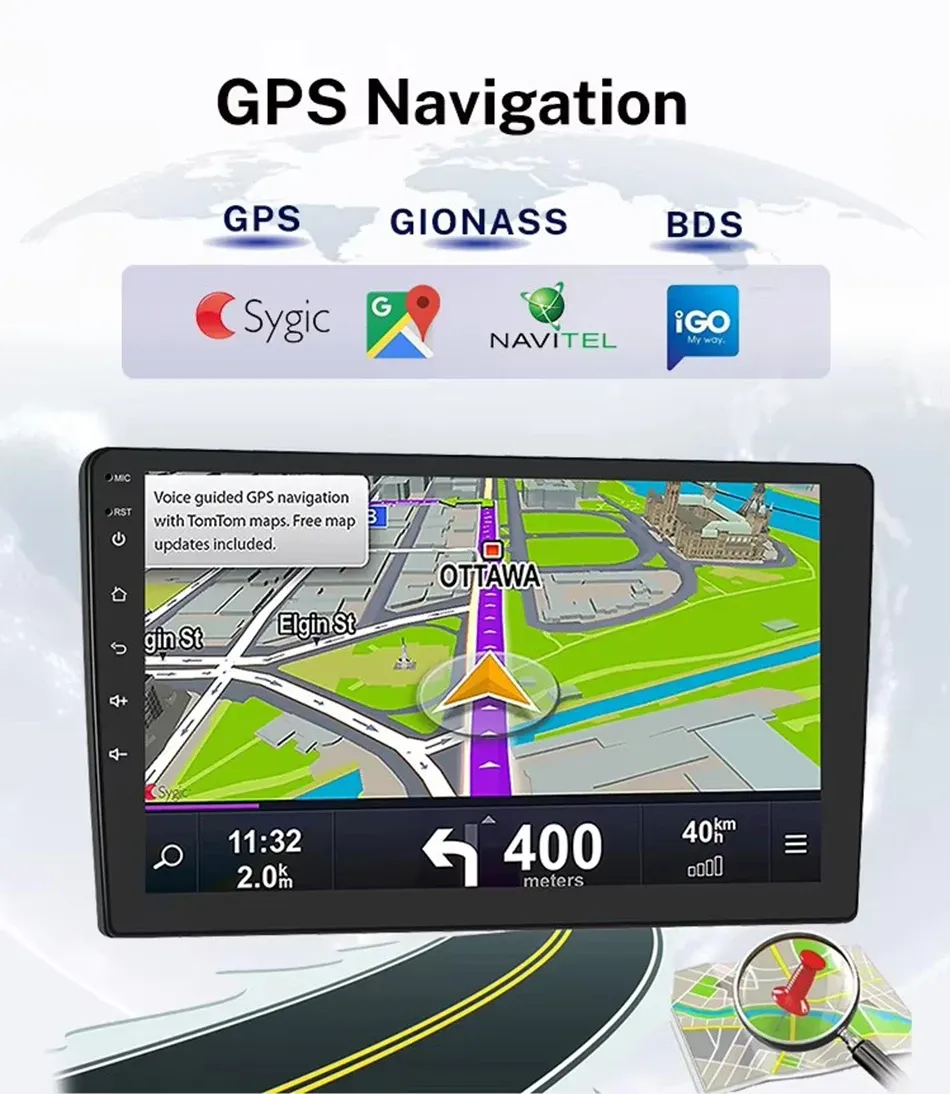
Built-in GPS, Wi-Fi, and 4G network support widen the use case beyond simple music playback, especially for drivers who want maps and streaming without depending entirely on a tethered phone. The inclusion of CAN-bus support is important too, because it can help the unit communicate better with the vehicle’s existing controls and signals.
Sound output and reversing support for daily practicality
The 4x45W output rating suggests enough headroom for the stock speaker setup in a compact Mitsubishi, with DSP support aimed at cleaner tuning rather than raw volume alone. It is not a substitute for a full amplifier build, but it should be a meaningful step up from a basic OEM radio for most commuters.
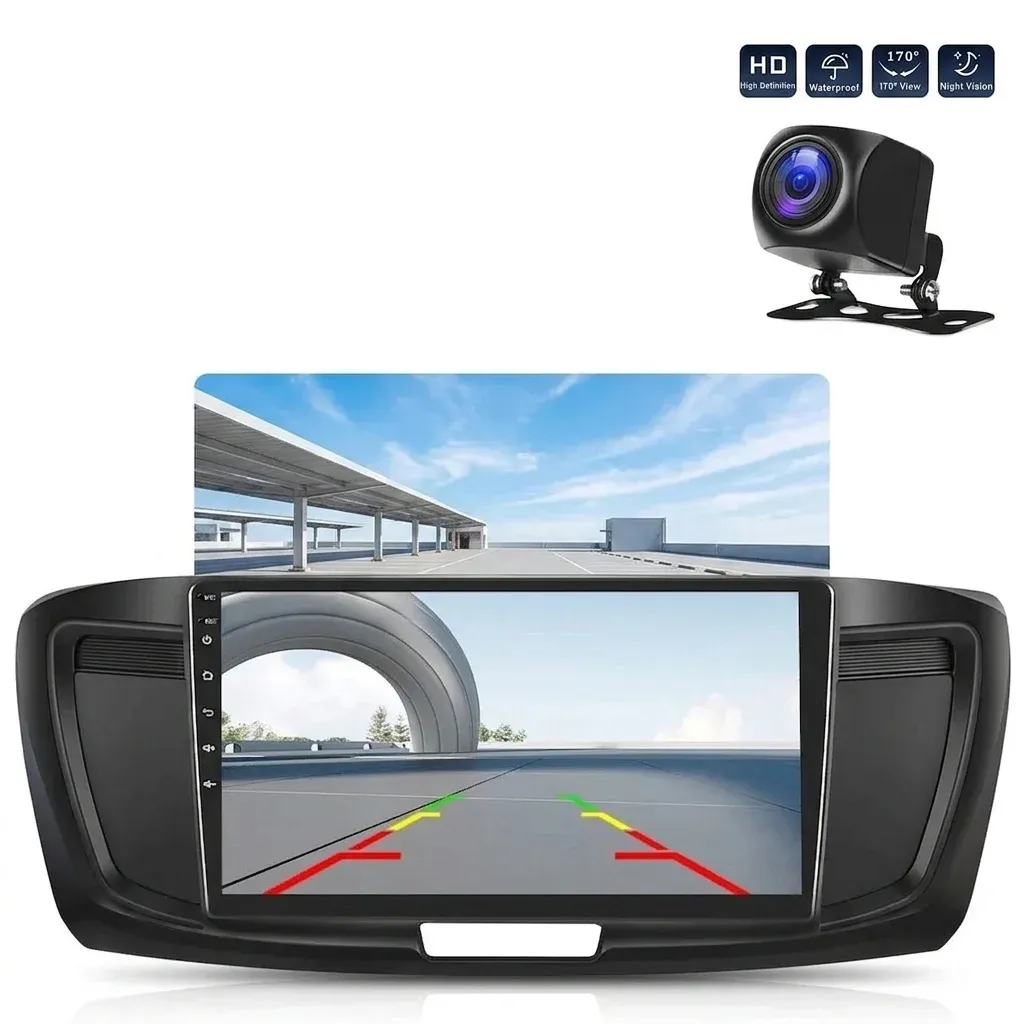
Reversing input, FM radio, Bluetooth, and media format support for MP3, MP4, WMA, and JPEG make this a versatile in-car hub. The reverse camera integration is especially useful in tight parking spots, and that practicality is easy to appreciate when the car itself has limited cabin space.
What stands out, and what to watch
At this level, the value comes from the feature set rather than luxury-grade hardware, which is why the single customer review matters mainly as a confidence signal rather than a full verdict. The reported quick shipping and solid packaging are encouraging, yet installation quality and vehicle compatibility still decide the final experience.
Because the listing contains mixed Android version references, buyers should confirm the exact software build before ordering. If the seller supplies the correct Mirage-specific harness and CAN-bus configuration, this unit can feel like a meaningful cabin upgrade instead of a generic screen swap, which is exactly the difference that matters.