










Warmth Starts at the Skin
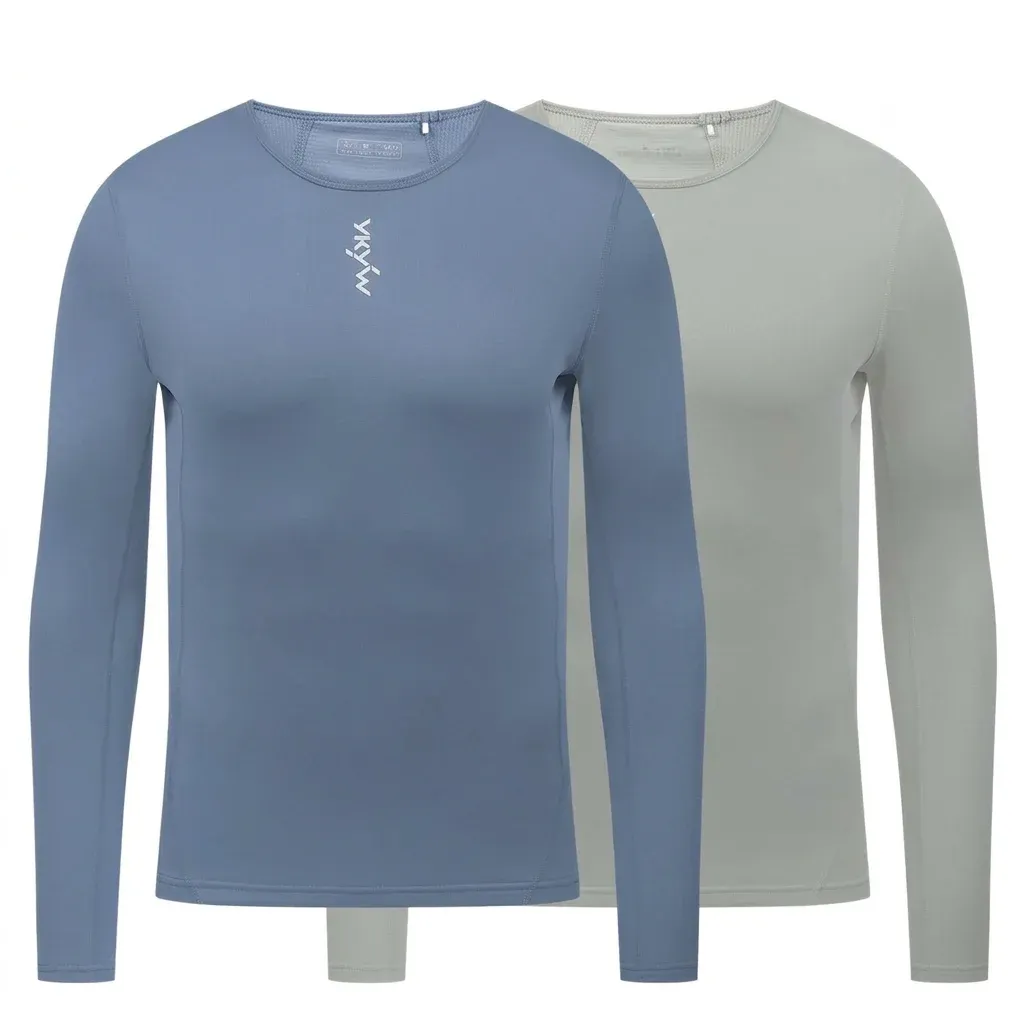
Cold-weather riding feels harsher when sweat sits against the body, and this is the problem this YKYW base layer is built to solve. Its role is simple: keep the torso warm, dry, and comfortable before the outer jersey has to do the heavy lifting.
YKYW has earned a solid reputation in the AliExpress cycling niche by focusing on rider-specific details rather than generic sportswear styling. The brand tends to favor functional cuts, practical fabrics, and dependable construction, which is why riders often look to it when they want kit that behaves like cycling gear instead of ordinary athletic wear.
What the Polyester Knit Changes on the Road
The polyester build matters because it dries faster than cotton and helps prevent that cold, clammy feeling after hard efforts or long descents. In practice, that means the layer works best as a first line of insulation rather than as a heavy thermal piece, which makes it more versatile across autumn and winter training.
The fabric is described as breathable, and that is the detail that separates a usable base layer from a bulky undershirt. When you are climbing, the material can help move moisture away from the skin so the chest and back do not feel saturated, then it helps retain a stable microclimate once the pace settles.
Close Fit Without Extra Bulk
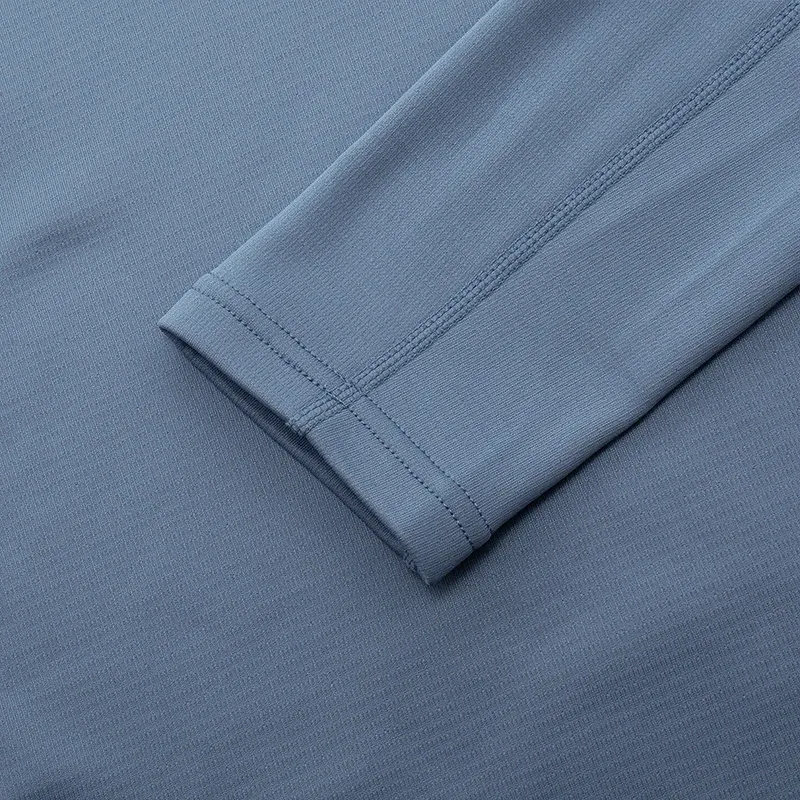
This piece is designed to fit true to size, so the intended feel is snug rather than loose or baggy. That close fit is important under a cycling jersey because trapped air can turn into dead space, while a streamlined layer sits flat and disappears under bibs, jackets, and midweight shells.
Users who prefer a compression-like feel will likely appreciate the way a fitted base layer supports movement without bunching at the waist or sleeves. If you normally wear your outer layers with a bit of room, this is the kind of undershirt that helps those garments perform more efficiently, which raises an interesting question about layering strategy.
Full Sleeves for Shoulder-to-Wrist Coverage
Full-length sleeves give this model a clear advantage over sleeveless or short-sleeve alternatives when temperatures drop. They create a more even thermal envelope across the arms and shoulders, which can make early starts and shaded winter roads feel noticeably less exposed.
That extra coverage also helps when you are pairing it with a thermal jersey or windproof jacket, because the seam line stays tucked and the layer does not leave gaps at the wrist. For road cyclists who ride through changing conditions, that kind of continuous coverage often matters more than a thicker fabric, and the next point explains why.
How It Fits Into a Real Winter Kit
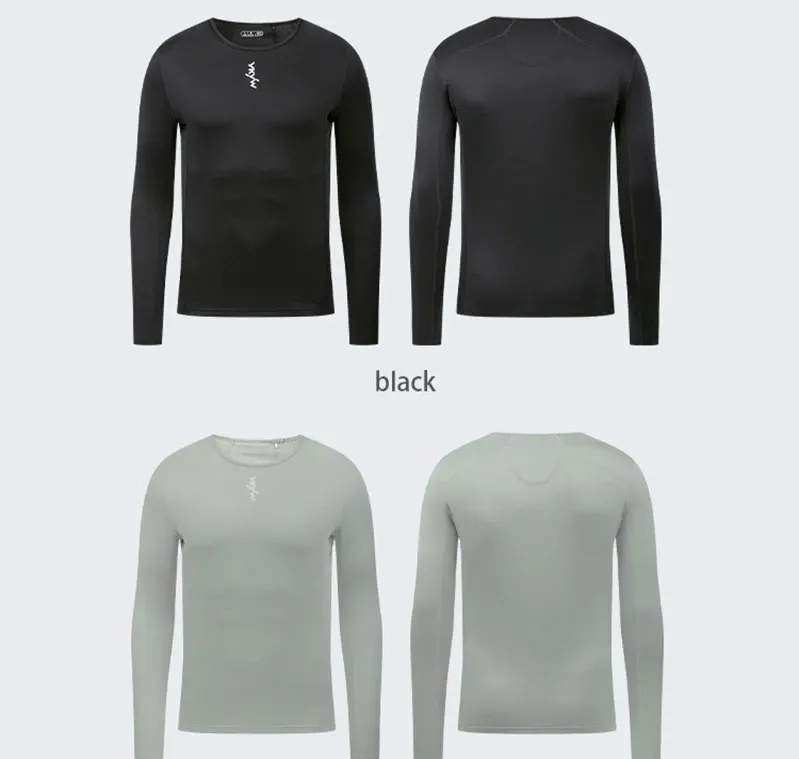
The original product guidance is clear: wear it under a thermal jersey or jacket in winter, or under a midweight jersey in spring. That makes it a flexible foundation piece for riders who want one layer that can bridge cooler mornings, windy commutes, and full cold-season training blocks.
Because it is meant to sit close to the skin, it also works well for indoor training where sweat management is just as important as warmth. One customer review gave it a perfect rating, which is a small sample but still suggests the first impression is strong for riders who value comfort and fit.
Who Will Get the Most from It
This base layer makes the most sense for road cyclists, indoor trainers, and riders who dislike the heavy feel of thick winter tops. It is less about dramatic insulation and more about making the rest of your kit work better, which is often the smarter approach for layered cycling apparel.
If you already own a good jersey or jacket and want more warmth without adding stiffness, this is the kind of accessory that can improve the whole setup. The real test is whether the fit and sleeve length match your body and outerwear, so checking sizing carefully becomes the final step before choosing it.