







Cold-weather knee coverage without the bulk
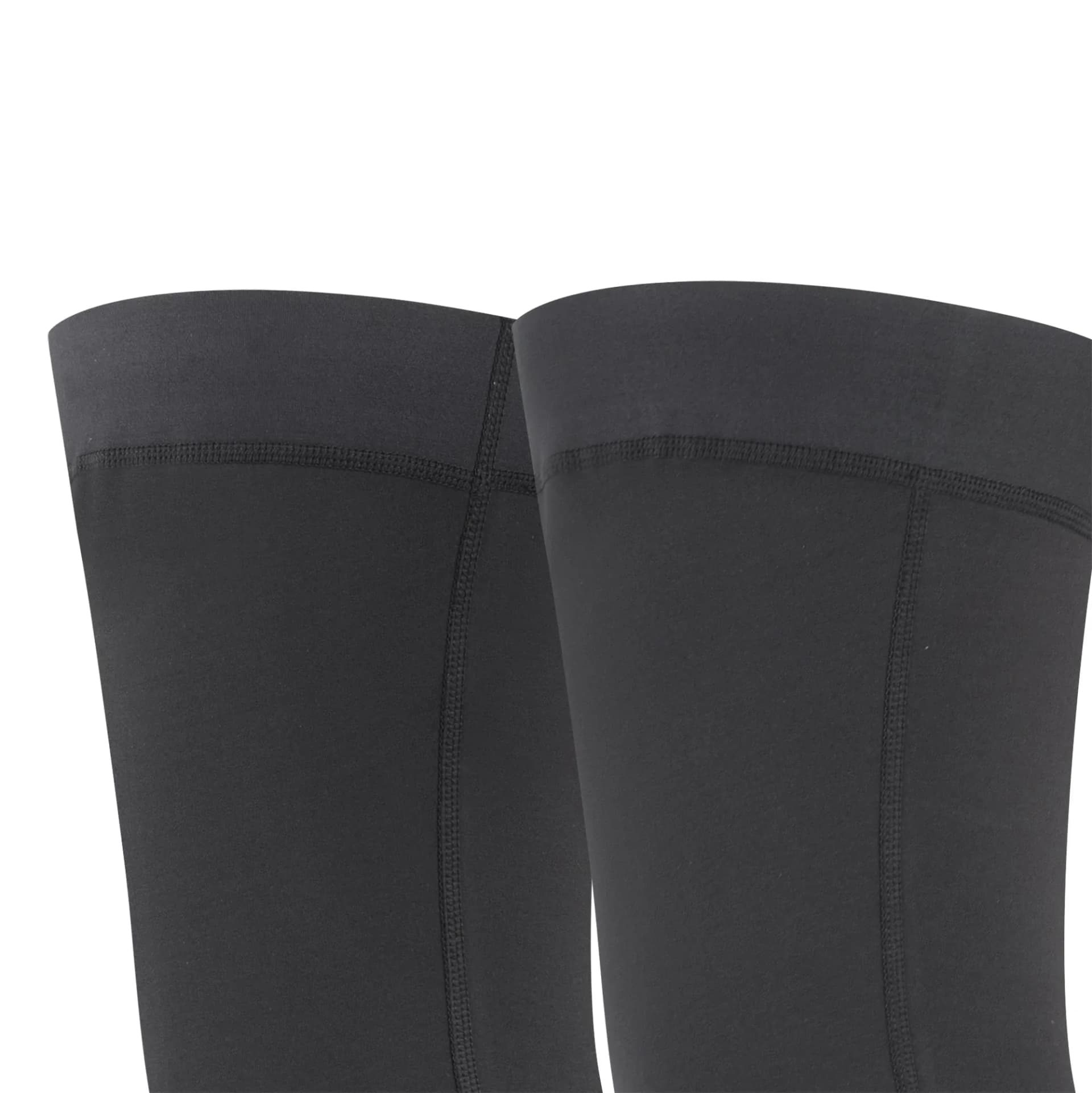
These YKYWBIKE leg warmers solve a simple problem: keeping the knees warm when the temperature drops, without forcing you into full winter tights. The thin fleece construction is aimed at riders who want insulation on the front line of the ride while keeping the rest of the kit lighter and easier to manage.
That balance matters on mixed winter routes, where a warm-up climb can turn into a fast descent in minutes. The design is especially relevant for road and MTB riders who layer their gear depending on the day, so what does the fit actually do on the bike?
Ergonomic panels that follow pedaling motion
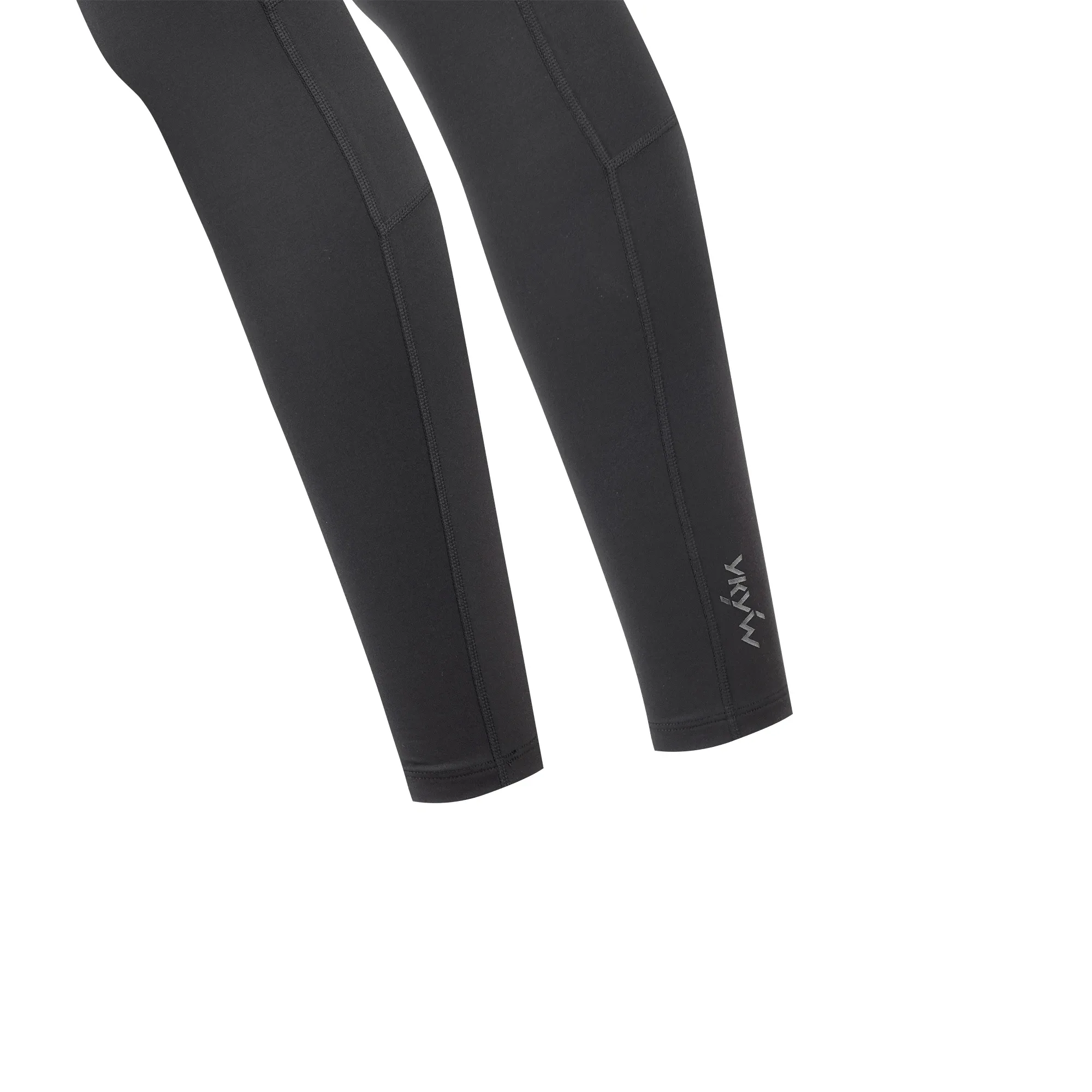
The three-piece splicing at the back is the detail that separates these from basic tube-style warmers. By matching the bend of the leg, the fabric should crease less behind the knee, which helps the warmer feel more natural during repeated pedal strokes.
That can make a noticeable difference on longer rides, where small pressure points become distracting over time. Users who dislike the stiff, folded feel of cheaper knee sleeves may appreciate the cleaner articulation here, and the next question is whether they stay in place.
Silicone grip at the top keeps the fit steady
The upper section uses silicone particle webbing to reduce slipping, which is one of the most useful features in a cycling leg warmer. Instead of constantly tugging the fabric back into position, riders get a steadier seal around the thigh, especially when sweat starts to build under winter layers.
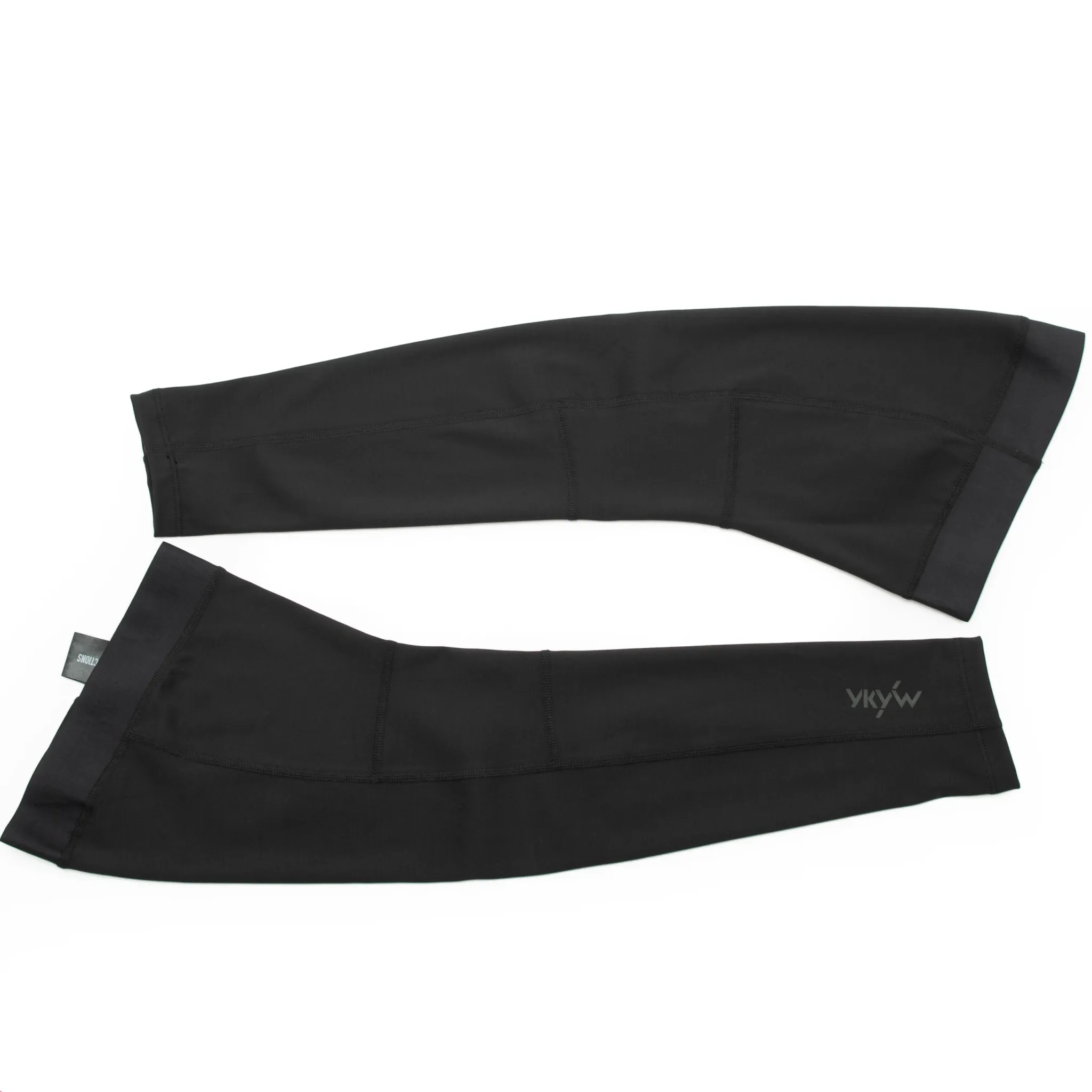
That grip pairs well with the elastane blend, which gives the warmer enough stretch to hug the leg without feeling rigid. If you have used knee covers that slide down after twenty minutes, this is the part that will matter most, so how breathable does the fleece feel in motion?
Warmth that still lets heat escape
The thin fleece is described as warm, breathable, and ultra-light, which points to a mid-layer approach rather than heavy insulation. In practical terms, that means the warmers are better suited to cool-to-cold rides where you need protection from wind and chill, not deep-winter expedition gear.
The fiber grooves are said to create a siphon effect that moves moisture away from the skin, and that kind of wicking is valuable when the pace changes. According to users, the best leg warmers are the ones you forget about after the first few miles, and moisture control is usually what makes that happen.
Low-light visibility for early starts and late returns
A reflective logo is a small but useful detail for riders who leave before sunrise or finish after dusk. It will not replace proper lighting, but it adds a quick visual cue that can help in traffic or on shared paths when visibility drops.
That makes the warmer more versatile than a plain thermal sleeve, especially for commuters and winter trainers who ride in variable conditions. The material choice also supports that use case, so what should buyers know before matching it to their kit?
What the material mix means on the road
With polyester and elastane as the core blend, the warmer is built for stretch, shape retention, and easier drying after a wet ride. Polyester handles the thermal and moisture-moving side of the job, while elastane gives the close fit that keeps the sleeve from feeling baggy under bib shorts or loose outer layers.
For riders comparing this to full thermal tights, the advantage is flexibility: you can extend the season of existing summer or mid-season kit without changing your whole wardrobe. The trade-off is that coverage ends at the knee, so the lower leg still depends on your socks or trousers, which is worth weighing before you choose a setup.
Who will get the most from them
These warmers make the most sense for cyclists who ride in shoulder-season weather, train indoors and outdoors, or want a compact layer for the commute bag. They are also a smart match for riders who prefer modular clothing and want one accessory to bridge the gap between shorts and full winter gear.
At $15.59, they sit in the practical end of the AliExpress Men Accessories category, where value depends on whether the fit and grip hold up in real use. For riders who want a light, warm knee cover with a technical feel, this is the kind of accessory that can earn a permanent place in the drawer.