










Open-ear listening for workouts where awareness matters
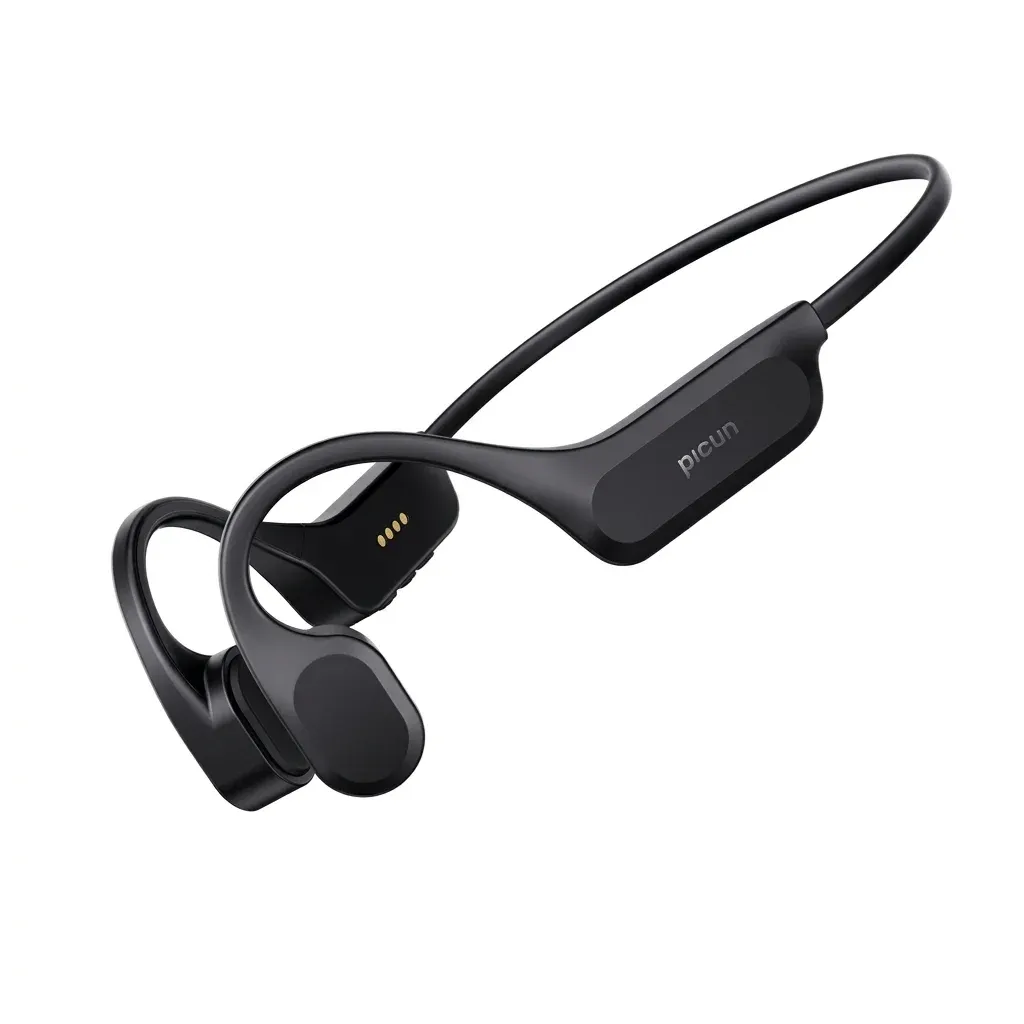
The Picun T2 solves a simple problem: how to keep music in your routine without sealing off the world around you. Its bone conduction design leaves the ear canal open, which is useful on a bike path, at the pool deck, or during outdoor training where hearing traffic and voices still matters.
Picun has earned a solid name in the AliExpress audio niche by pairing practical feature sets with approachable pricing and decent build consistency. That reputation matters here, because the T2 is less about flashy tuning and more about a focused use case that many budget earphones miss.
32GB onboard storage changes the way you train
The built-in 32GB memory is the standout feature for swimmers and anyone who prefers to leave the phone behind. It lets you load a large offline music library, so the headset can keep playing even when Bluetooth is unreliable or when your phone is not practical to carry.
That makes the T2 more flexible than many entry-level wireless earbuds, which depend entirely on a nearby phone. For lap swimming or long rides, the ability to switch from streaming to stored tracks is the detail that turns a novelty into a usable training tool.
IPX8 protection and a lightweight frame
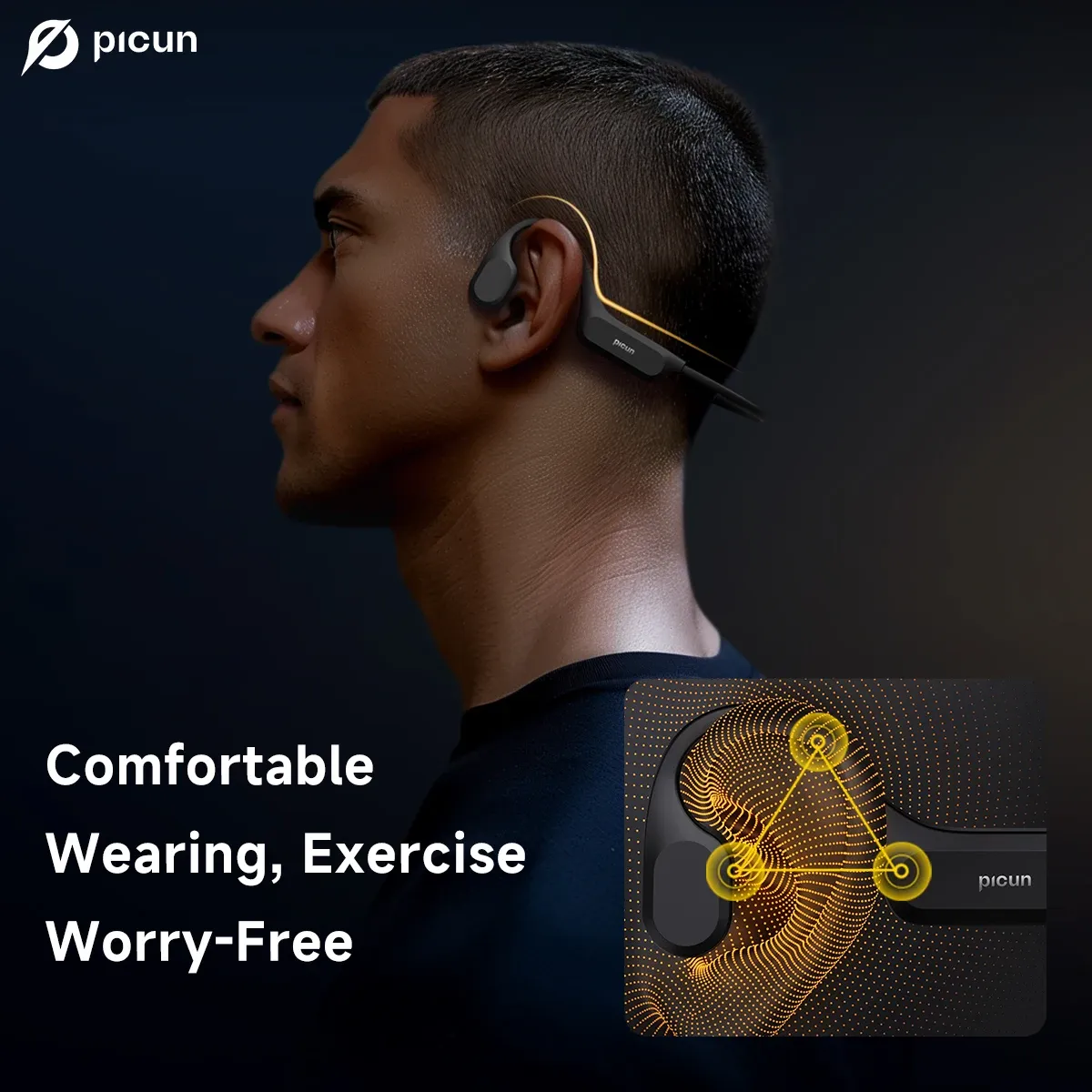
The IPX8 rating signals real water confidence, and that is the main reason this model stands out for swim-focused users. At 27 grams, it is light enough to avoid that heavy, dragging feeling some waterproof audio gear creates after a long session.
Users also tend to notice the comfort difference quickly, and the early AliExpress feedback supports that point, with comments praising the lightweight fit while also noting that sound can feel modest in louder environments. That tradeoff is important, because the next section explains where bone conduction shines and where it does not.
Sound profile: clear enough for training, not built for isolation
Bone conduction audio usually favors clarity and awareness over deep bass, and the T2 follows that pattern. The listed 20 Hz to 20 kHz range and dual-driver design suggest a broader sound presentation than many basic sports headsets, but the open-ear format means outside noise can still dominate in busy places.
That is why the T2 makes more sense for controlled workouts, solo rides, and pool sessions than for crowded commutes or noisy gyms. If you want a sealed, bass-heavy listening experience, a traditional in-ear model will feel more immersive, but what happens when comfort and safety take priority?
Bluetooth 5.4, microphone control, and everyday use
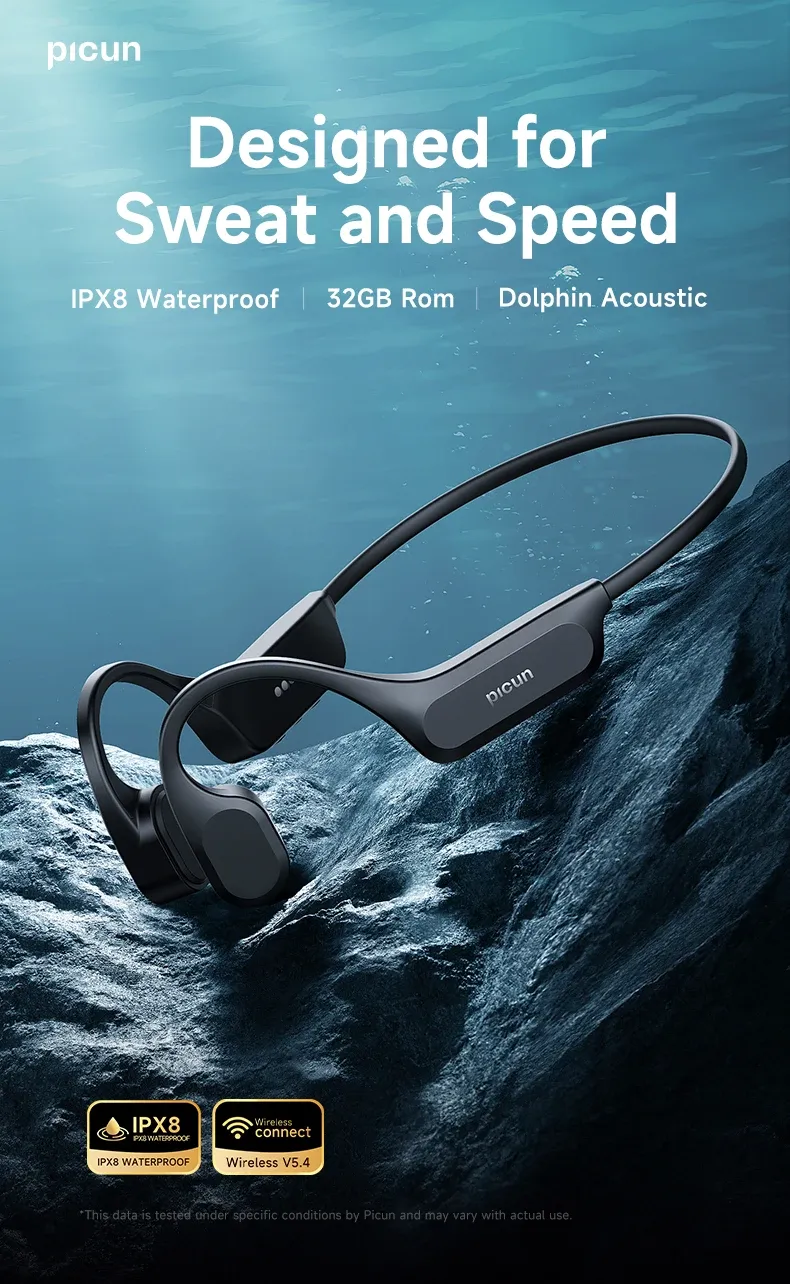
Bluetooth 5.4 is listed in the product description, while the technical sheet also mentions Bluetooth 5.3, so buyers should treat the wireless version claim carefully. In practice, both versions point toward a modern connection standard with stable pairing for phones from iPhone, Samsung, Huawei, and Xiaomi.
The built-in microphone, control button, and volume control make the headset useful beyond sports, especially for hands-free calls or quick playlist changes. It is not an app-driven device and does not rely on extra software, which keeps setup simple for users who just want to connect and go.
Who gets the most value from it?
- Swimmers who want offline music support and water resistance.
- Cyclists and runners who need open ears for situational awareness.
- Users who prefer simple controls over app-based audio tuning.
Real customer feedback is limited but useful: the general rating sits at 4.5/5, with most reviews positive and only a small share of complaints about fit, hardness, or volume in noisy places. That pattern suggests the T2 is strongest when used for its intended sports scenarios rather than as a do-everything headset.